FIND YOUR RACKET
 COMPARE MODELS
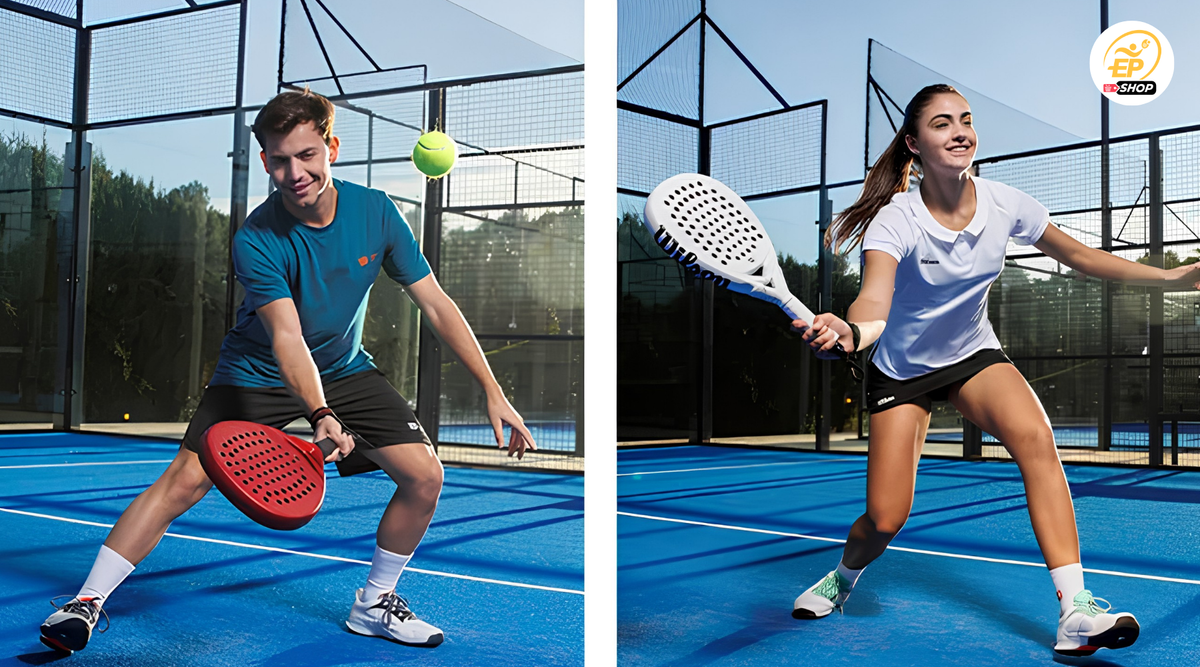
Improving at padel comes down to six areas, in this order: mastering the three fundamentals (serving, movement and basic shots), learning the sport’s distinctive shots, developing a strategy as a pair, establishing a regular training schedule, playing with different partners and testing yourself in competition. Technique alone is not enough: in padel, positioning and reading the game win more points than power. That is why players whose progress stalls almost always have a tactical problem, not a problem with their strokes.
Key takeaways
-
Fundamentals first: an underarm serve played diagonally, movement to cover your side, the forehand, backhand and volée. Without this foundation, the padel-specific shots are of little use.
-
The bandeja, vibora and chiquita are the three shots unique to padel. They are what separate recreational players from competitive players.
-
Padel is a team sport: communication and coordination with your partner matter just as much as individual technique.
-
Recommended schedule: one or two sessions a week for a beginner, more for an intermediate player. Quality is prime; volume comes second.
-
A racket that does not suit your level holds back your progress either way: too stif
If you are ready to dive into the exciting world of padel, you are in the right place. In this comprehensive article, we will explore the stages of your development, from mastering the basics to learning more technical shots, as well as the importance of developing a game strategy and structuring your training.
3 fundamentals to master before anything else
To become a capable padel player, it is essential to start by understanding the rules of padel. They govern how a match unfolds, from serving and rallies to scoring points. A solid understanding of these rules is essential to avoid common mistakes.
To start improving, it is of course essential to master the basics of the game. Here are some fundamental skills you need to master before focusing on specific techniques:
- The serve: one of the key elements of padel. Learn to serve diagonally, aiming for the opposite service box. You can then vary your serves by adding spin.
- mastering movement. Work on your positioning on court and learn to move quickly to cover your side of the court effectively.
- the basic padel shots: the forehand, backhand and volée. Anticipate the trajectory of the ball and learn to hit it to return it accurately into the opponent's court.
A useful way to gauge where you stand: our article on padel levels explains the scale used by French clubs, from level 4 to level 9. The three fundamentals above cover the progression from level 4 to level 6.
Developing your technical skills
Once you have acquired these basics, you can gradually focus on various more complex techniques. The serve, which starts each point, can be played in several ways (sliced, flat, against the glass, without the glass…)
Volleys, struck before the ball bounces, are generally played near the net. They help you control the game and keep pressure on your opponent. There are attacking and defensive volleys to suit different situations. The powerful smash is used to drive the ball down into your opponent’s side of the court, ideally near the net.
Padel-specific shots: bandeja, vibora and chiquita
You may already have heard the terms bandeja, vibora and chiquita: they are shots used for more complex strategies.
The bandeja is padel’s signature shot, and you need to master it before calling yourself a padel player! The bandeja (Spanish for “tray”) is a sliced smash designed to prevent your opponent from counter-attacking. It is played when your opponent hits a good lob that rules out an aggressive smash (out by 3 or out by 4), but you do not want to give up the net. You then play a bandeja: a deep smash struck to the side of the head while “slicing” the ball. If the ball hits the glass, the spin will make it “drop”, forcing your opponent into a difficult defensive shot. If all goes to plan, your next shot could be decisive. It is typically a shot that buys you time!
The vibora is another shot specific to padel. It is also a smash played to the side of the head, but instead of being sliced, it is brushed, producing a faster, more aggressive shot. The speed of the shot and its rebound off the glass — ideally the side glass followed by the back glass — make it very difficult to anticipate and defend. We have devoted an entire article to the difference between the bandeja and the vibora, because that distinction is central to overhead play in padel.
Finally, the chiquita is a shot designed to put an opponent at the net under pressure. Played from the back of the court, it forces your opponent to deal with a low, difficult ball. The idea is to play a slow ball that lands just behind the net. If you time it well and execute it correctly, your opponent will be forced to play an upward volley. You can then anticipate the shot, move forward and finish the point. Ideally, your partner, who knows your game inside out, will have anticipated it too, leaving your opponents with no way out. Add the lob and net play to that repertoire, and you have covered the essentials of a level 7 player’s game.
The importance of equipment
Alongside mastering technical skills, equipment plays an essential role in your progress. The padel racket is the key piece of your kit. Discover the best padel rackets on the market for your playing level and style. The right racket can make a huge difference to your game.
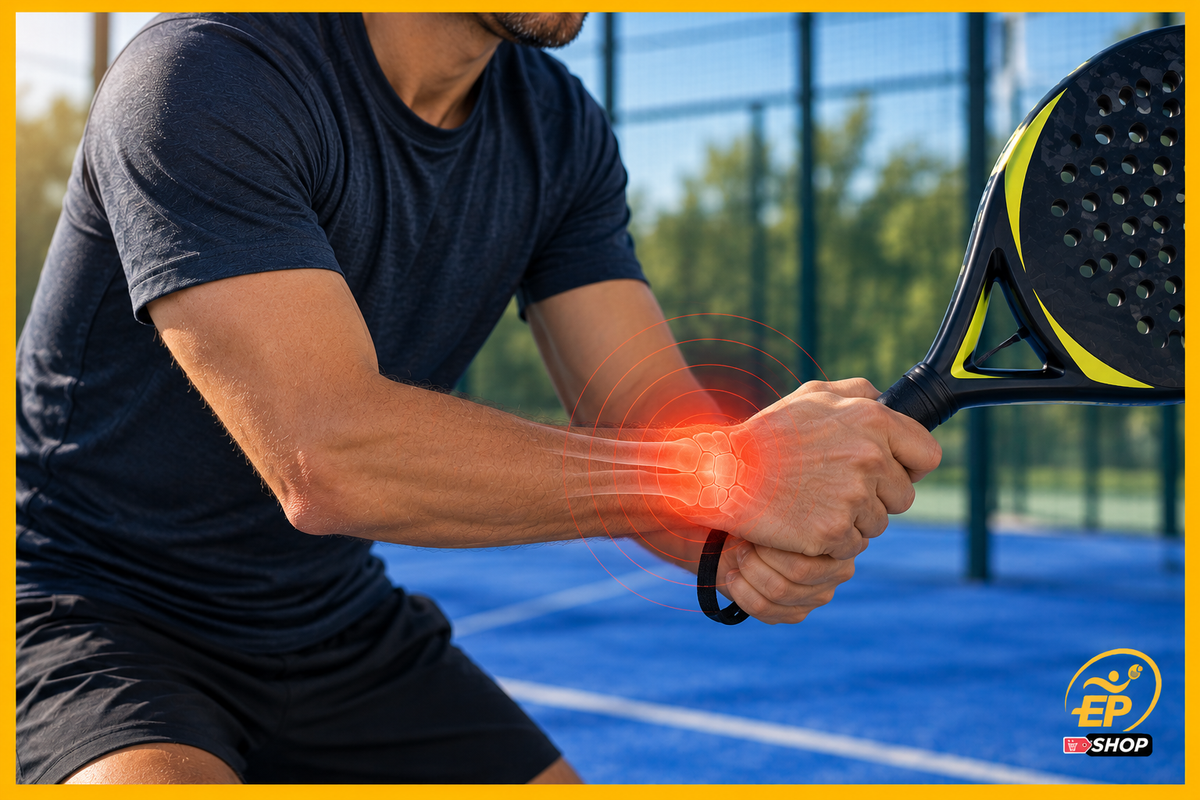
This matters more than it might seem. An overly stiff racket — typically a high-density carbon diamond-shaped model in the hands of a player who still hits off-centre — punishes every mishit and increases the risk of tendinitis. Conversely, an entry-level fibreglass racket eventually holds you back as your swing speed increases: the ball comes off the racket without much pace, and you lose attacking power. That is the sign that it is time to change your racket. Our guide on how to choose a padel racket explains what to look for.
You will also find the essential accessories for improving at padel on our site. From grips and shoes to dedicated sportswear, these accessories can improve your performance on court.
Developing a game strategy
In padel, success also relies on smart strategy and the ability to adapt to the opposing team. Several strategic approaches can be implemented to optimise your chances of winning points.
The most common strategies
The serve is a key phase for starting the point. It can be used tactically by serving diagonally to create angles, aiming at the glass to make the return more difficult, or playing a sliced serve to prevent the opponent from attacking. Varying your serves is essential to unsettle the opposing team.
The classic strategy is to move quickly towards the net. By positioning yourself near the net, you can dominate by blocking balls and smashing, thereby putting pressure on your opponent. If your opponent is positioned near the net, it may be wise to play lobs to force them to move and make mistakes.
Against an aggressive pair, solid defence can be an effective strategy. Use control volleys and place the ball precisely. Wait for your opponents to make a mistake and seize the opportunity.
The key: knowing how to adapt
Communication and coordination with your partner are essential to an effective team strategy. Work together to cover the court, coordinate your movements and decide on your tactics. A good understanding with your partner is a major asset. Pay attention to the opposing pair’s strengths and weaknesses, too. Identify and target their weak spots while avoiding the areas where they excel.
As you can see, no single strategy works in every situation. The key is to adapt to the opposing pair, exploit their weaknesses and play intelligently. The more you play and gain experience, the better you will become at developing effective strategies for winning points in padel. Two resources can help you structure this work: our guide to doubles strategies and our guide to communication in padel, which explains the signals used by established pairs.
Committing to a training routine
Steady progress in padel requires a regular training routine. To get the most out of your training, it is important to structure your sessions and draw on the right resources. Here are some tips to help you build an effective padel training routine.
Joining a padel club
Joining a padel club is one of the best decisions you can make. Clubs provide an environment that encourages regular play. You will have access to quality courts, training partners, and events and tournaments organised by the club. All this helps you train consistently.
Working with a coach
Joining a club can also give you the opportunity to work with an experienced padel coach. They can analyse your game and identify your weaknesses. A coach can also teach you advanced techniques and tactics, guide you on strategies to use against different opponents, and help you choose the padel racket that suits you best. If you are unsure which format to choose, our article on when to take lessons at a padel school compares individual and group lessons.
Drawing inspiration from professional players' routines
Professional padel players have well-established training routines. You can draw inspiration from their approach to structure your own training. Observe how they prepare physically and mentally, manage their training time and focus on specific aspects of the game. Amateurs consistently overlook two areas: physical preparation and mental preparation. In a tournament with five matches in one day, endurance, not technique, is what separates pairs of equal ability.
Choosing the right training pace
But do not overdo it. The right schedule depends on your playing level, goals and availability. Beginners are advised to train at least once or twice a week to develop basic skills. Intermediate players can aim to train more often, while highly competitive players aspiring to a professional level may train daily.
It is important to find a balance between the quantity and quality of your training. There is no point training excessively at the expense of recovery. Focus on specific, realistic goals, whether that means improving your serves and volleys or building your fitness. Our selection of targeted padel drills offers practical exercises to incorporate into your sessions, while a structured warm-up sets the tone for the first twenty minutes.
Playing with different partners
Playing padel with different partners has several benefits. It exposes you to a range of playing styles, improving your ability to adapt to different situations. Playing with different partners is also likely to teach you new things, tips and tactics.
Communication is essential in padel, and playing with different partners helps you develop signals that work with each of them. Expanding your network can also create opportunities to play at a more competitive level. You will become a more versatile and adaptable player on court. There is one important caveat: if your goal is competition, constantly changing partners is counterproductive. Developing an understanding as a pair, covering for each other and using signals on serve take dozens of hours together. The best compromise is to vary your partners in training and settle on one for tournaments.
Taking part in competitions and tournaments
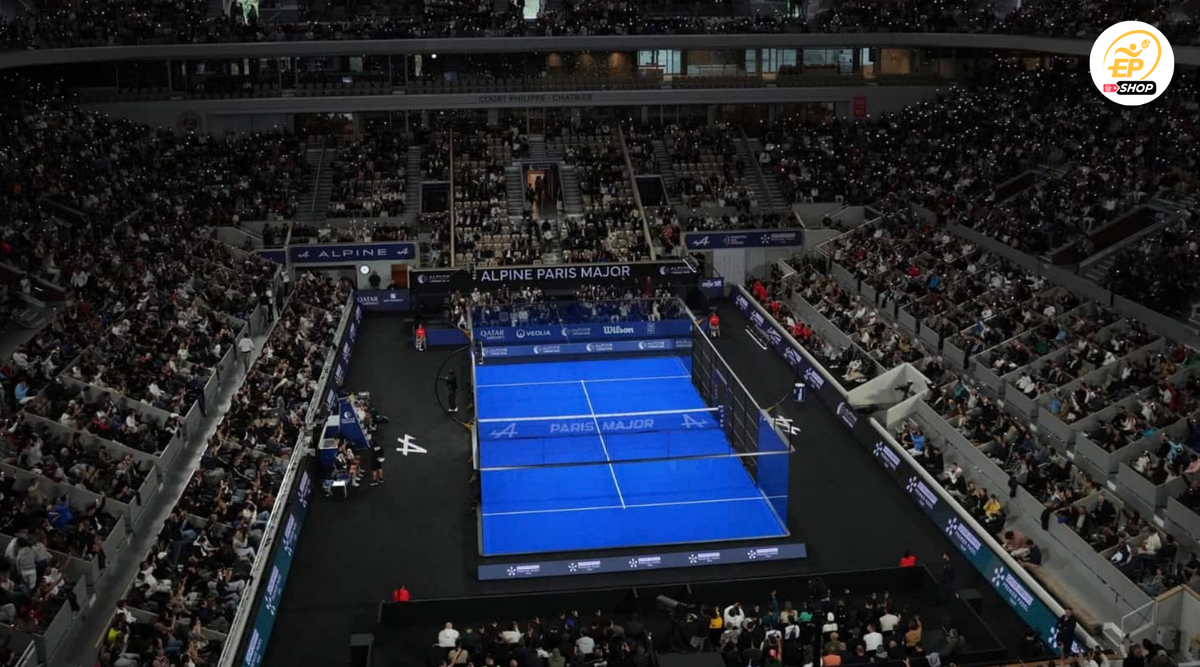
Finally, competing helps you strengthen your concentration and ability to manage stress, both essential skills for performing under pressure. Facing opponents of different levels exposes you to a range of playing styles and broadens your experience.
Competitions also make you put the strategies and techniques you have worked on in training into practice, encouraging you to keep improving. Feedback and advice from opponents and coaches can help you identify areas for improvement. Ultimately, competition drives progress by presenting you with challenges and strengthening your game. To take the plunge, you will need an FFT padel licence and a suitable first tournament: the P25 uses a group-stage format and guarantees several matches even if you lose, making it ideal for beginners.
Frequently asked questions
How long does it take to improve at padel?
With one or two sessions a week, most players reach a comfortable level in rallies within three to six months. Moving from recreational to competitive play, however, takes one or two seasons: it is the padel-specific shots and tactical awareness that take time to develop, not the basic shots.
Why has my padel progress stalled?
In the vast majority of cases, the obstacle is tactical rather than technical. Players who plateau can hit the ball well, but position themselves poorly, move to the net at the wrong time or fail to communicate with their partner. Two other common causes are always playing against the same opponents and using a racket that does not suit their current level.
Which shot should you work on first to improve?
The bandeja. It is the shot that lets you hold your position at the net against an opponent’s lob — in other words, keep the initiative. A player who cannot hit a bandeja retreats to the back of the court whenever the ball goes over their head, leaving them stuck in defence and limiting their progress.
Do you need lessons to improve at padel?
Lessons are not essential for learning the fundamentals, which you can pick up through playing. They become valuable for padel-specific shots such as the bandeja and vibora: the movements are counterintuitive and difficult to correct on your own. A few focused individual sessions will generally save you more time than several months of matches with friends.
Summary
Progress in padel is cumulative: first come the three fundamentals, then the padel-specific shots, followed by pair strategy, consistent training, a variety of partners and, finally, competition. If your progress has stalled, look first at your tactics, positioning and communication with your partner before blaming your shot technique. Make sure your equipment suits your current level, too: a mismatch is the most common obstacle and the easiest to fix.
To take things further, our 7 padel techniques to improve your game complements this article with advice on execution. You can also browse all our rackets sorted by level in our shop, and speak directly to our padel experts if you need help choosing.