FIND YOUR RACKET
 COMPARE MODELS
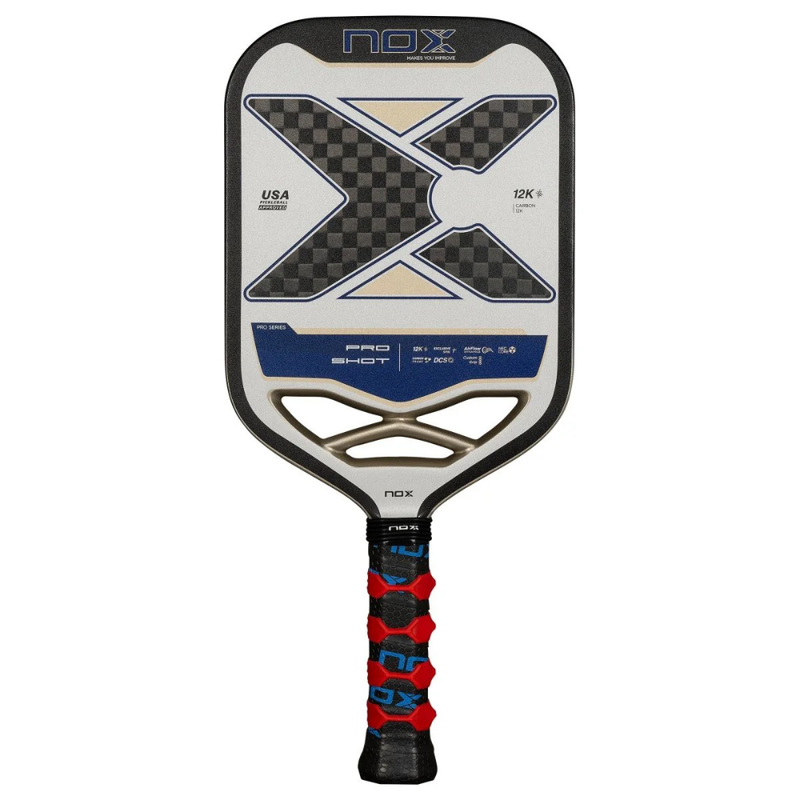
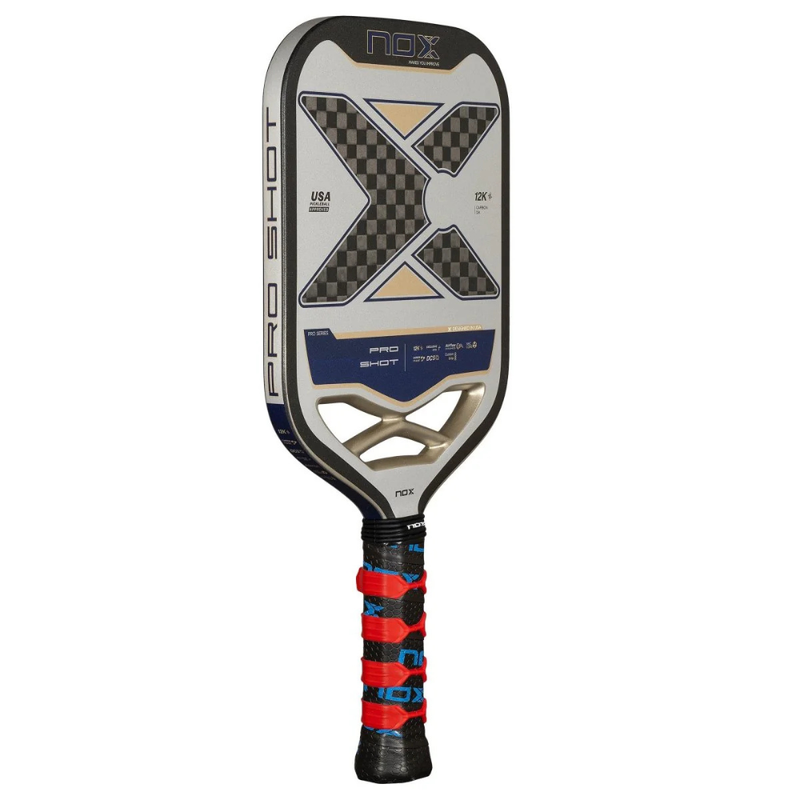
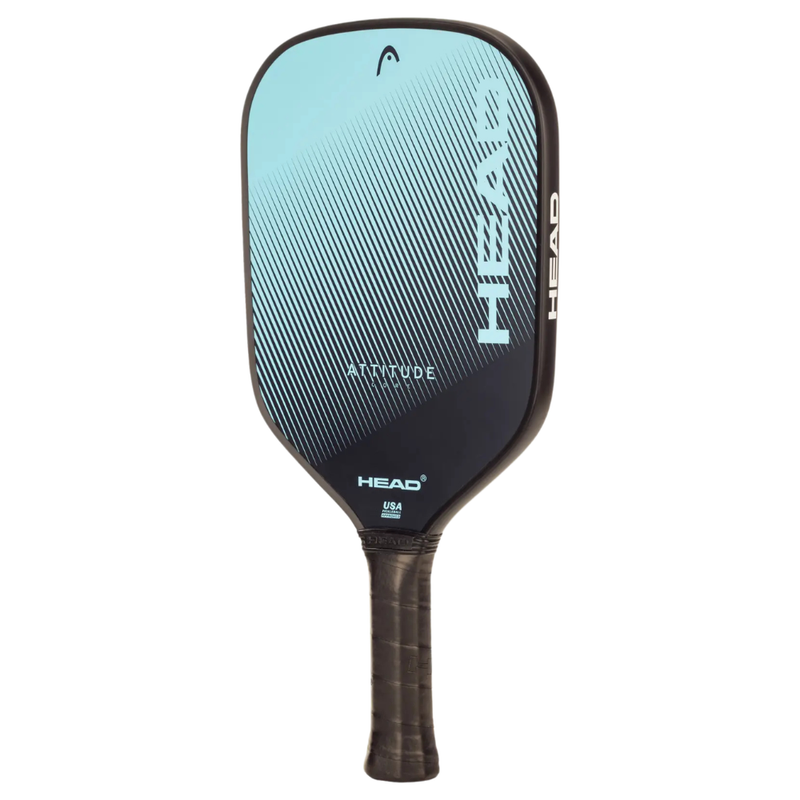
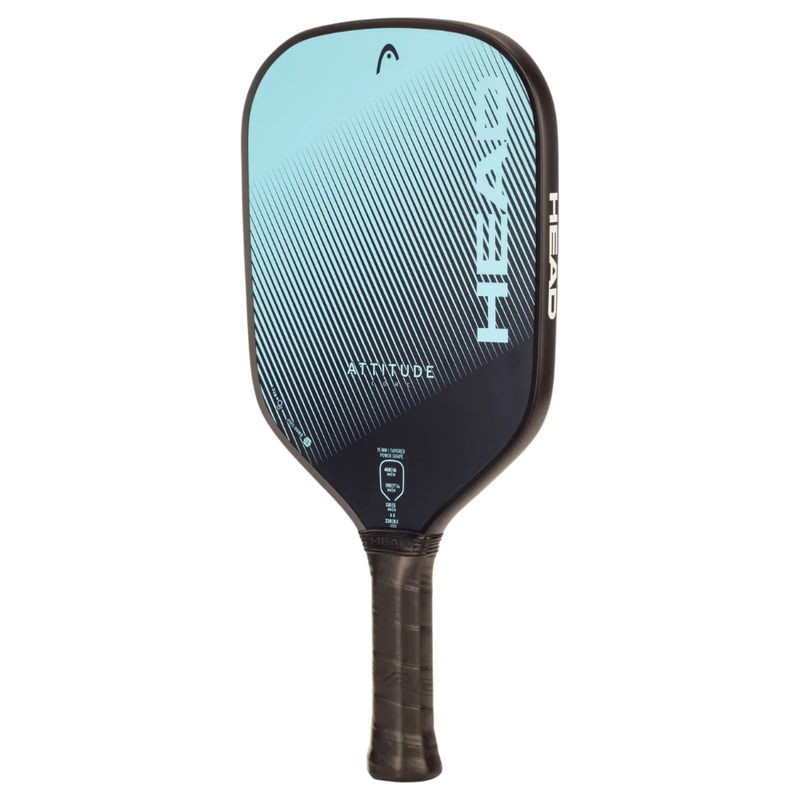
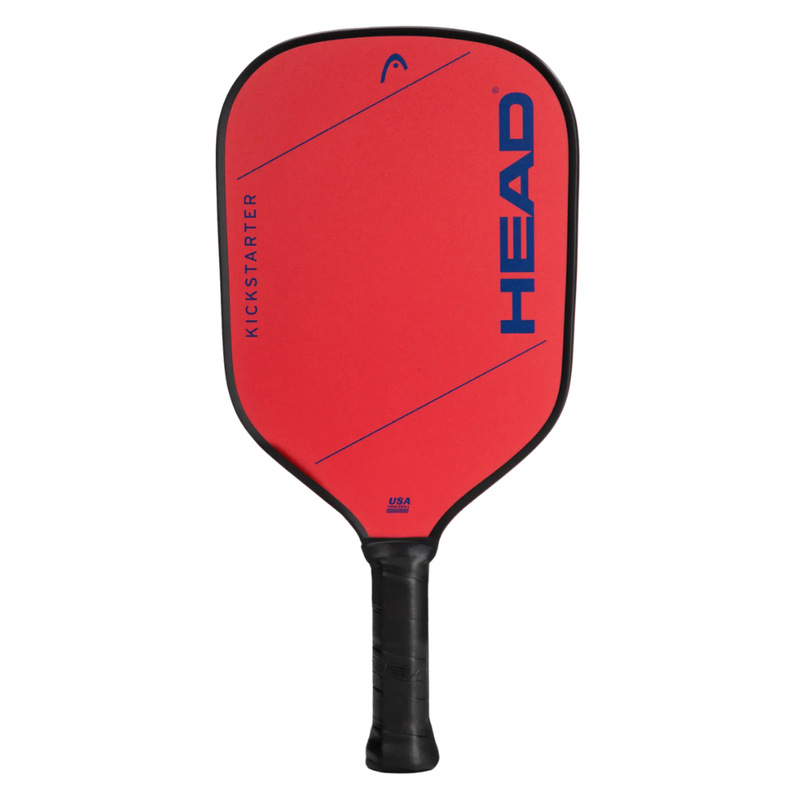
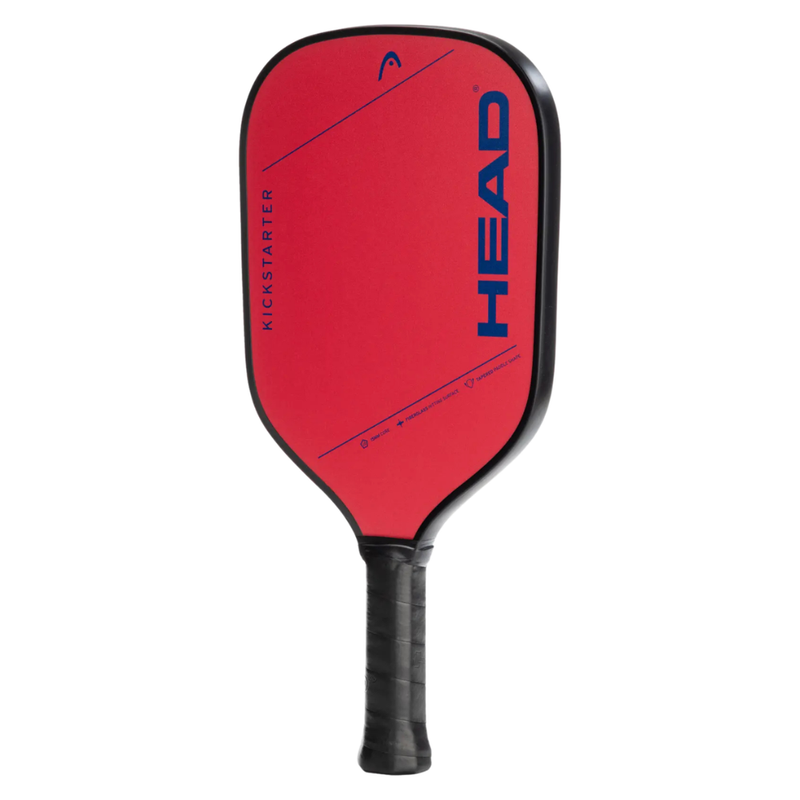
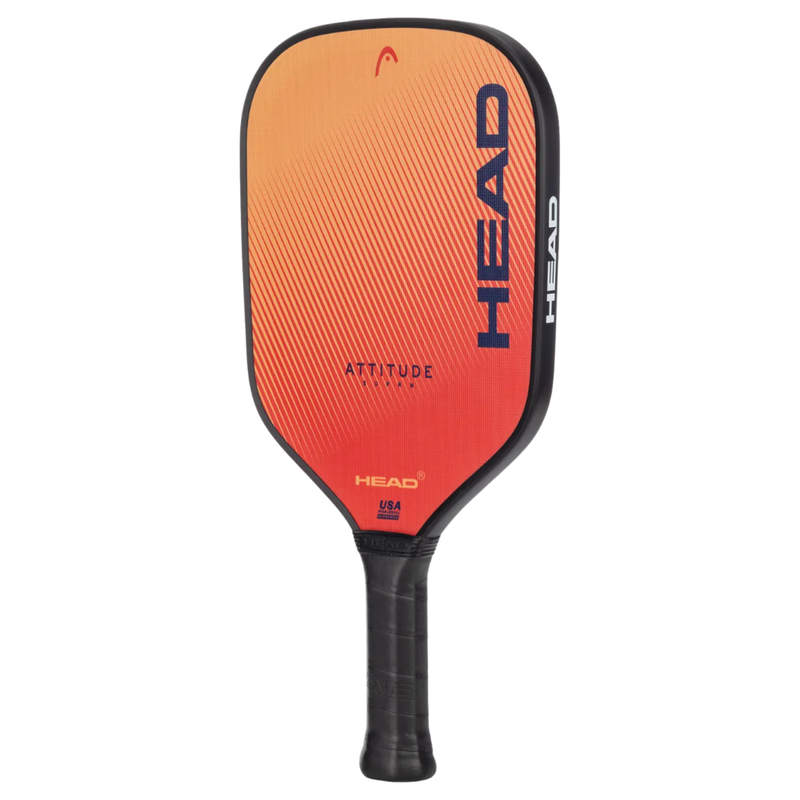
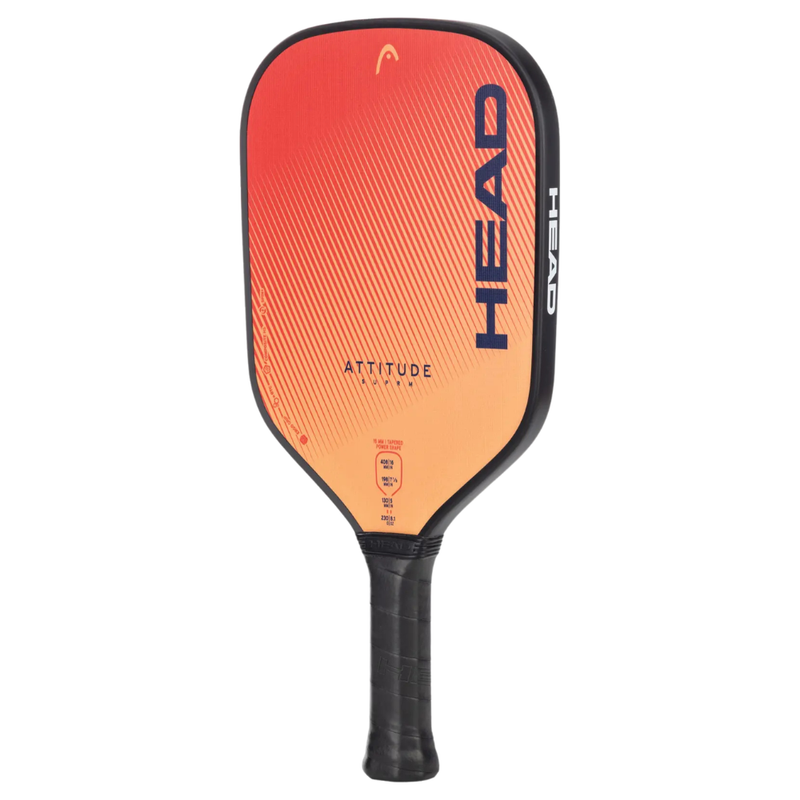
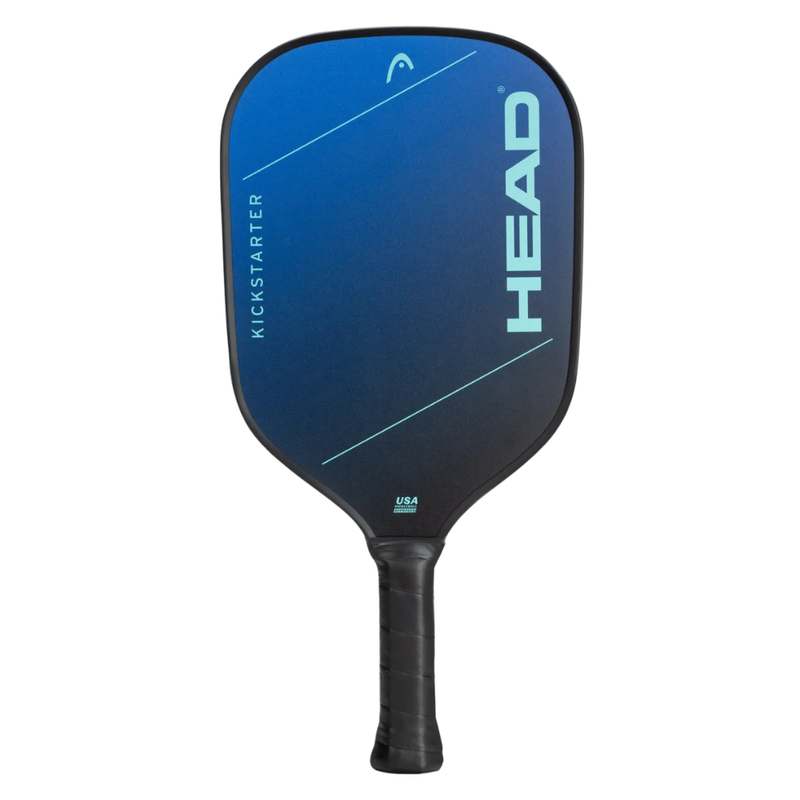
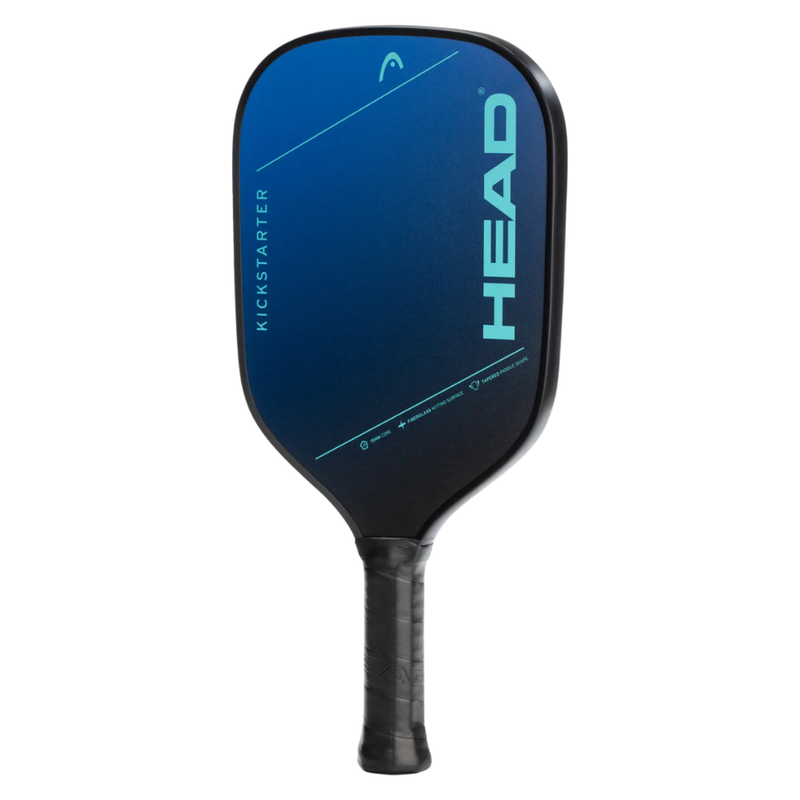
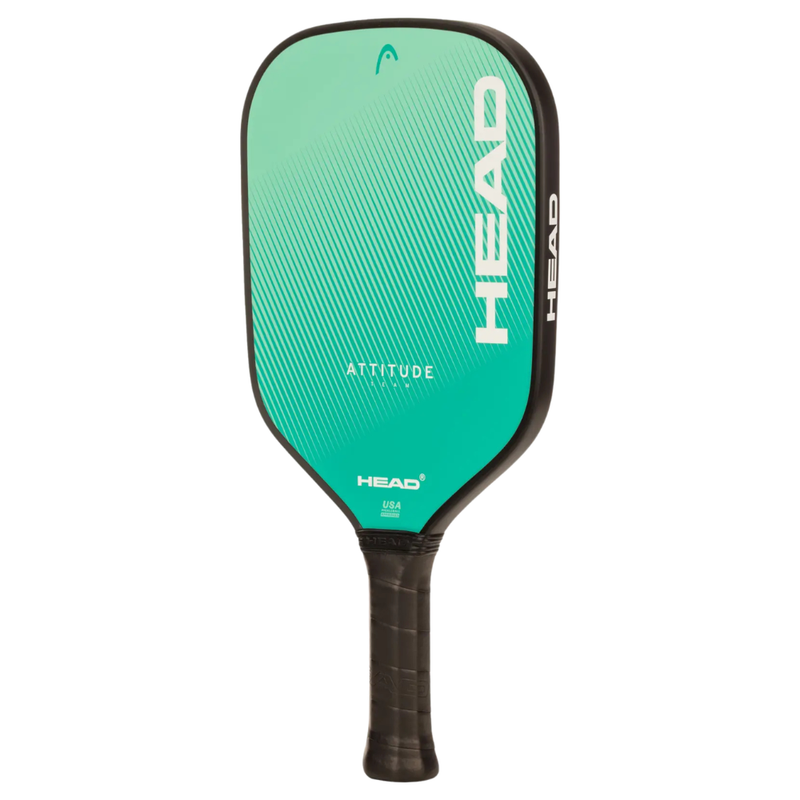
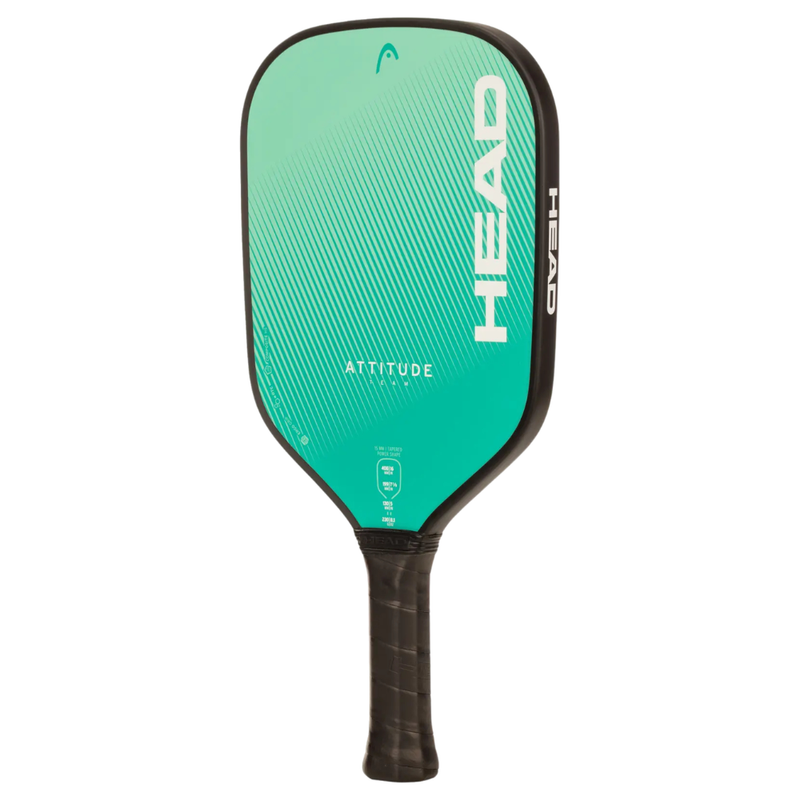
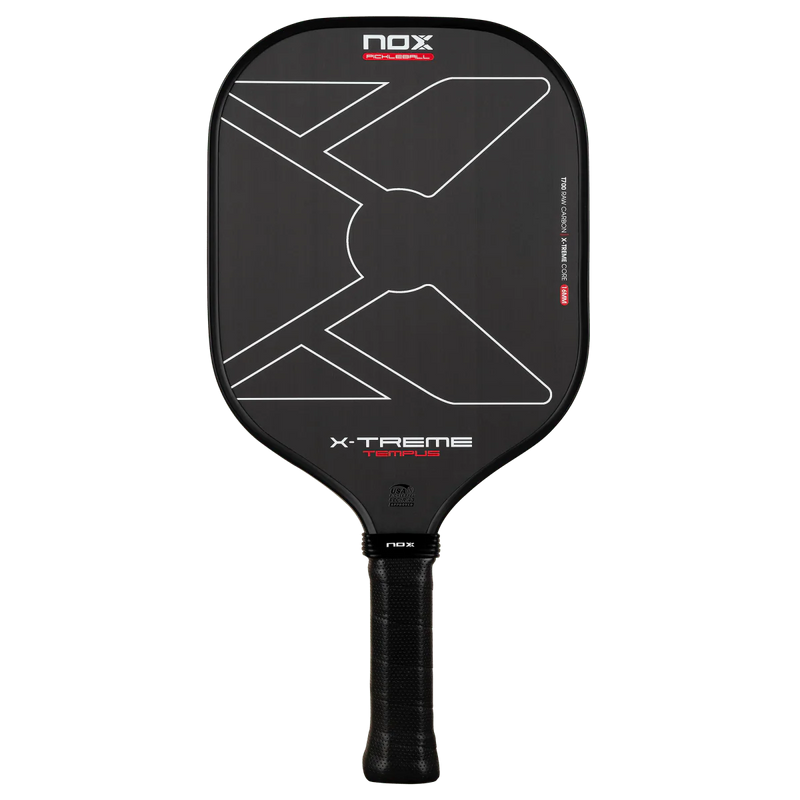
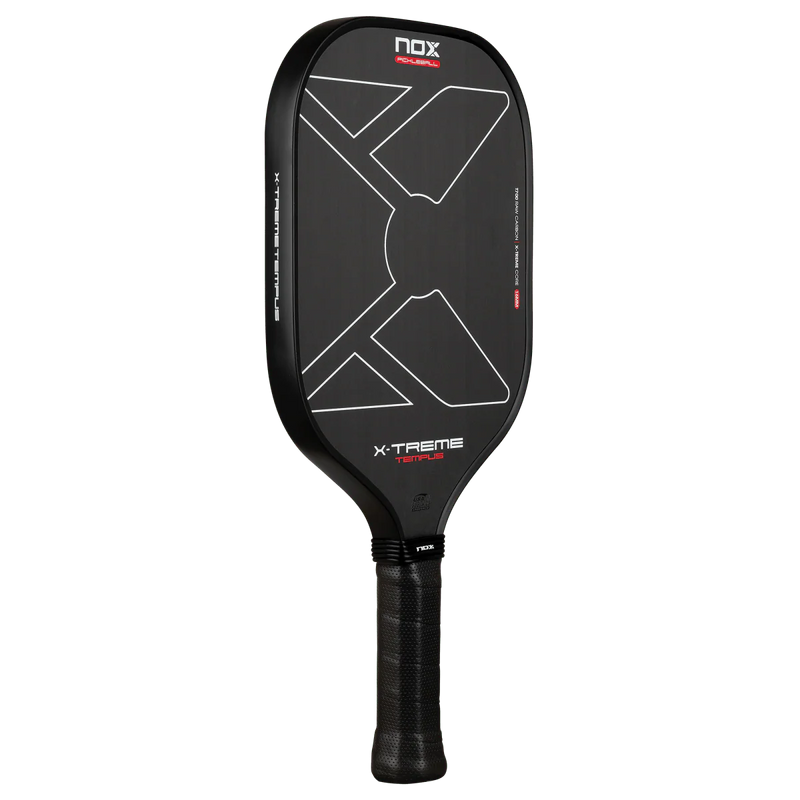
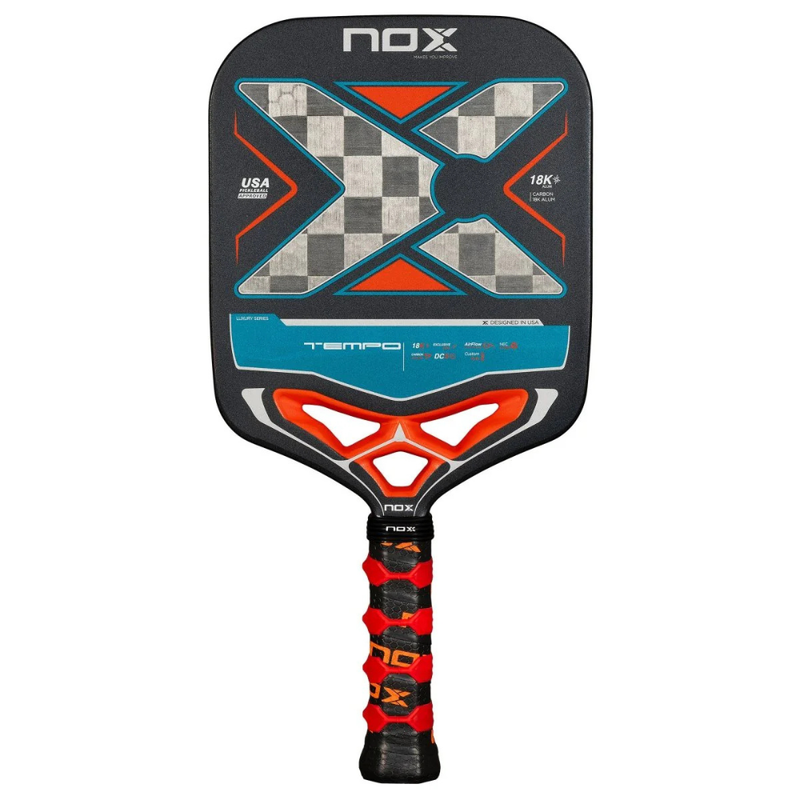
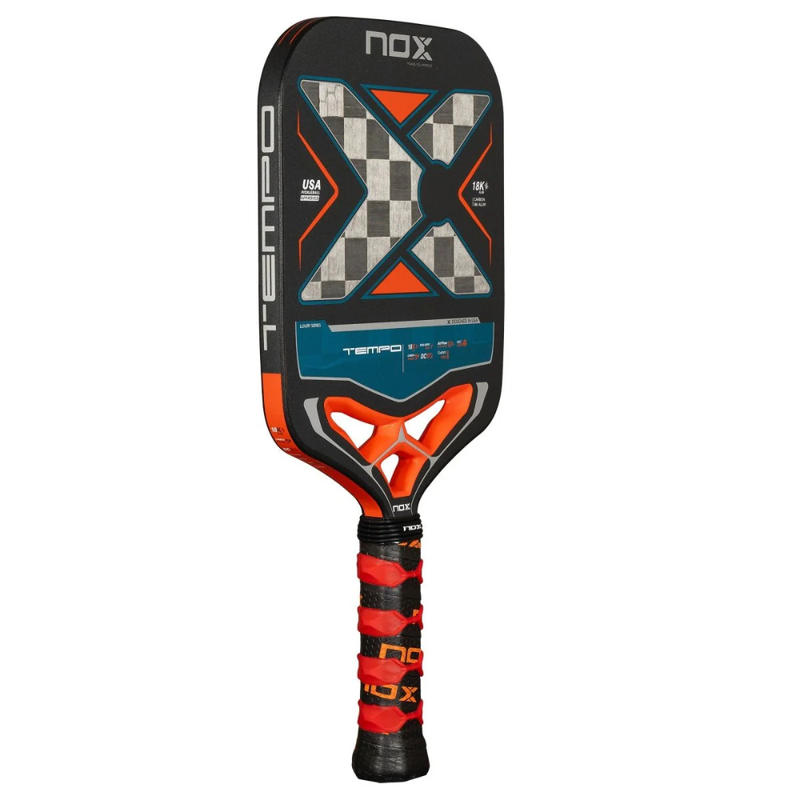
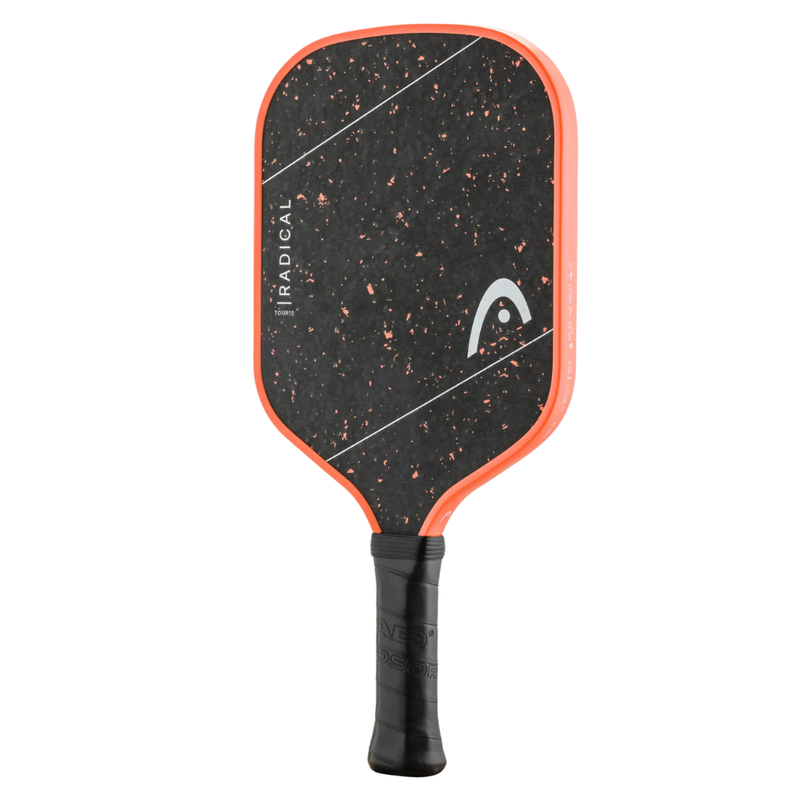
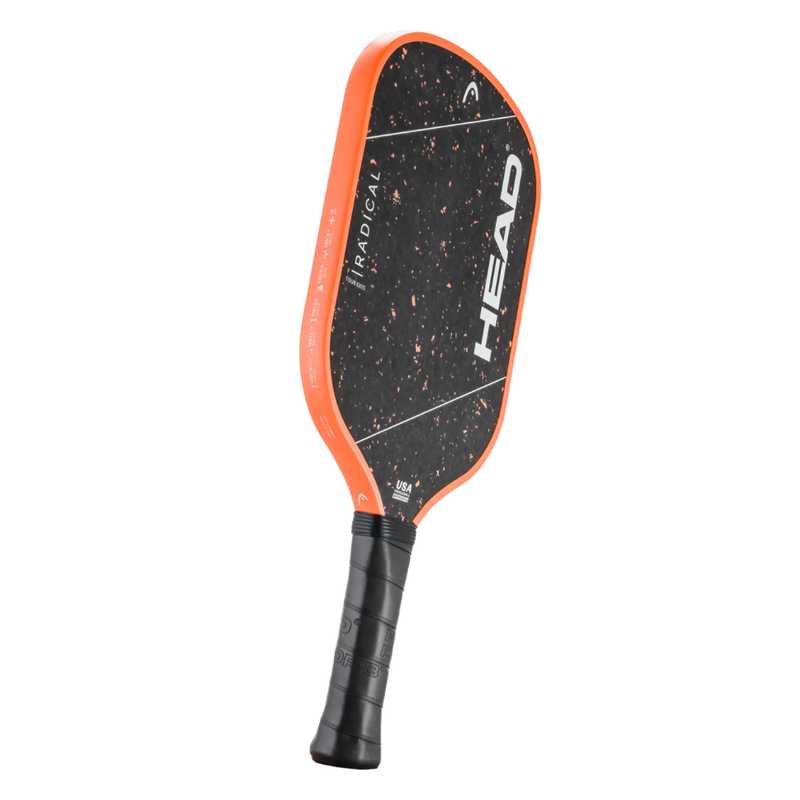
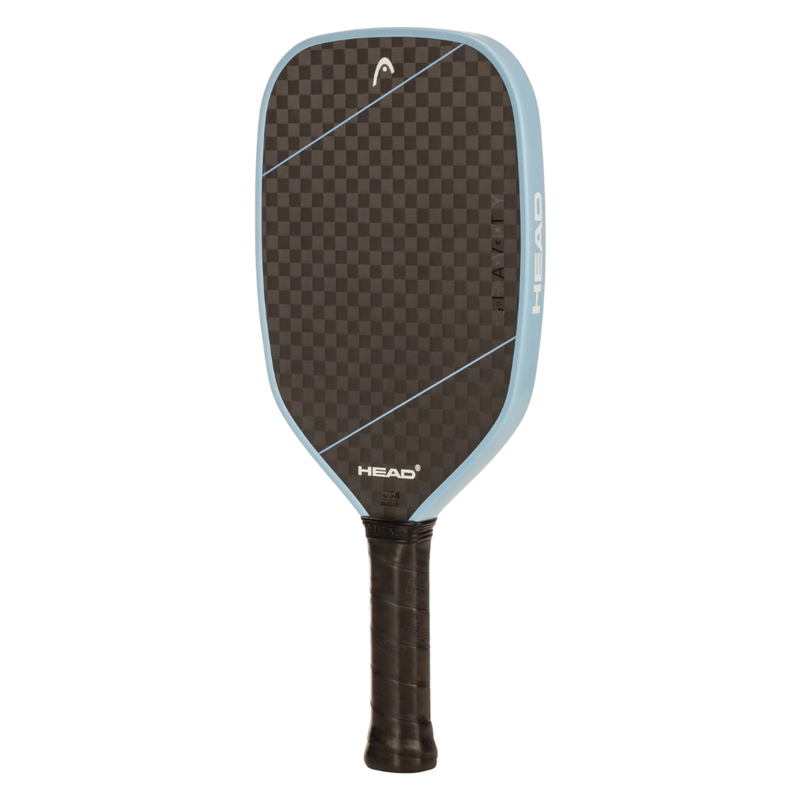
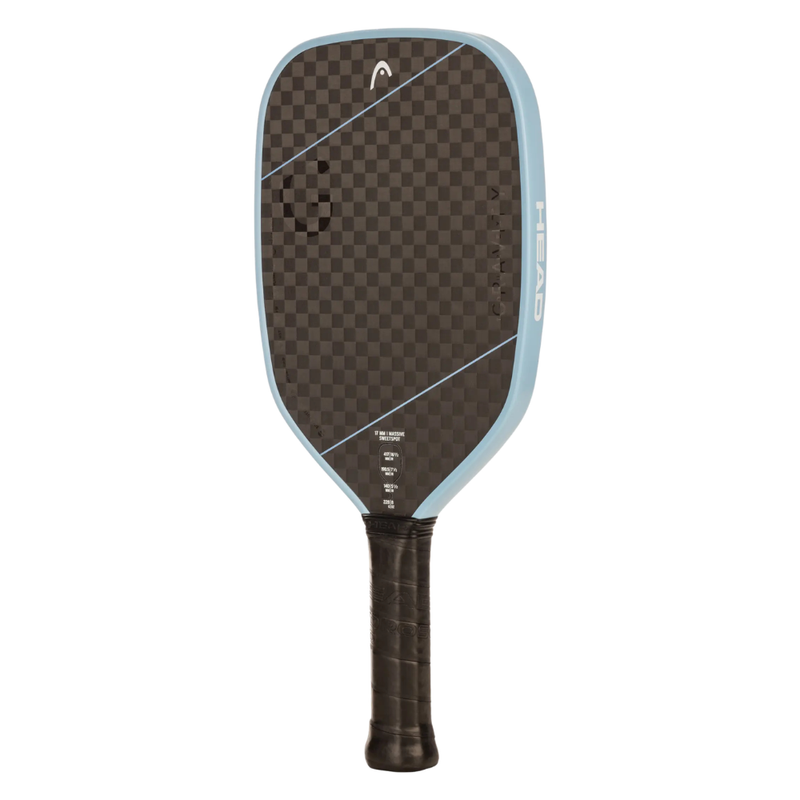


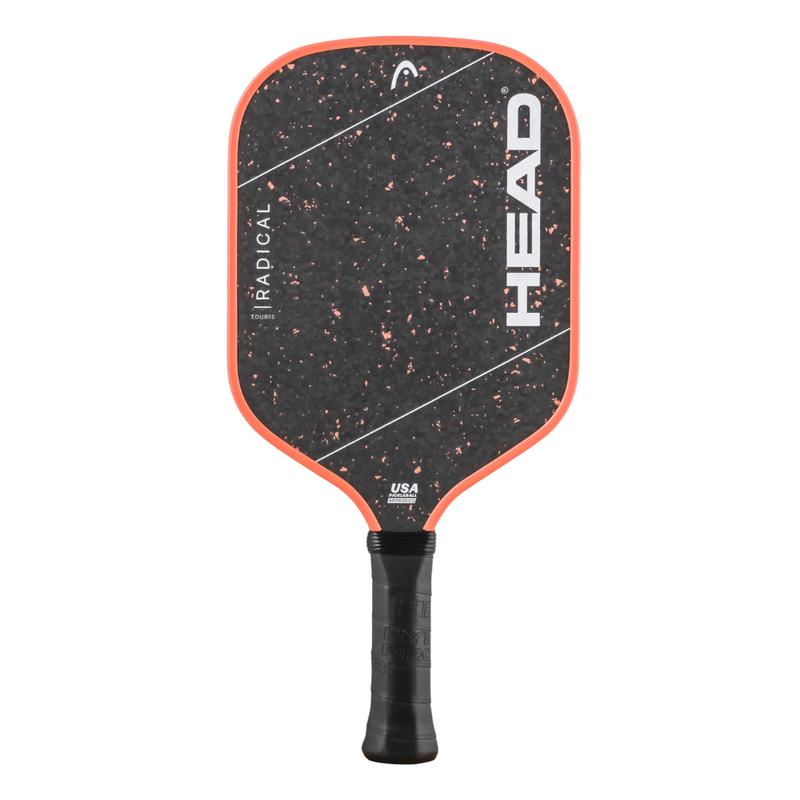
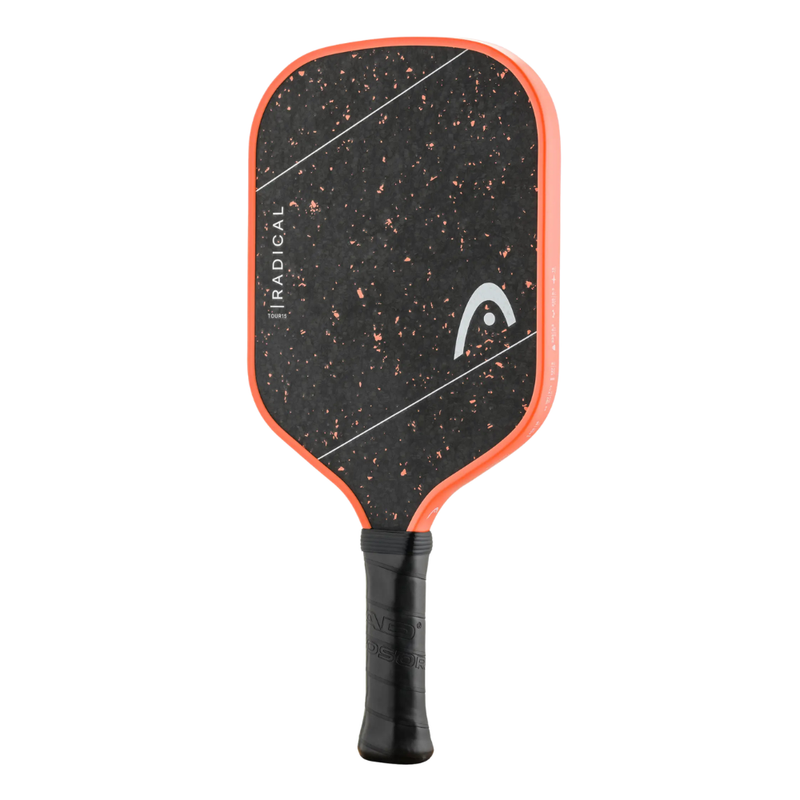
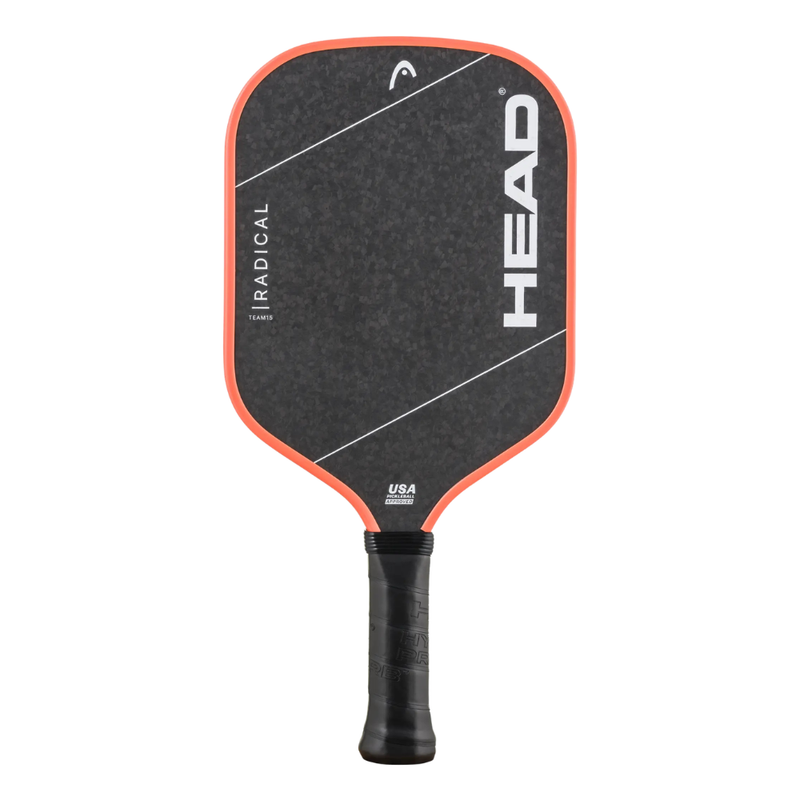
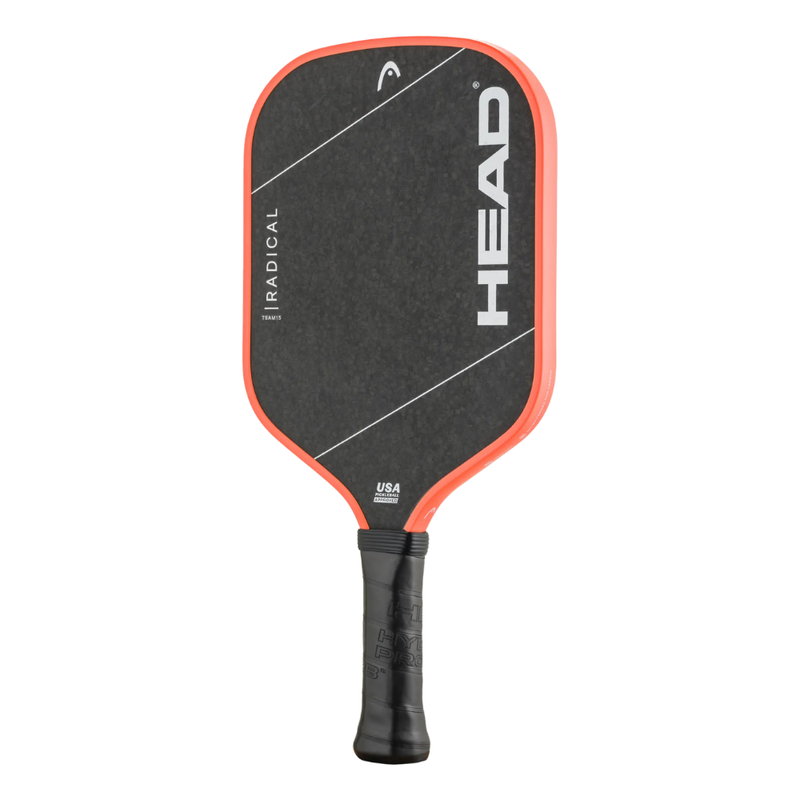


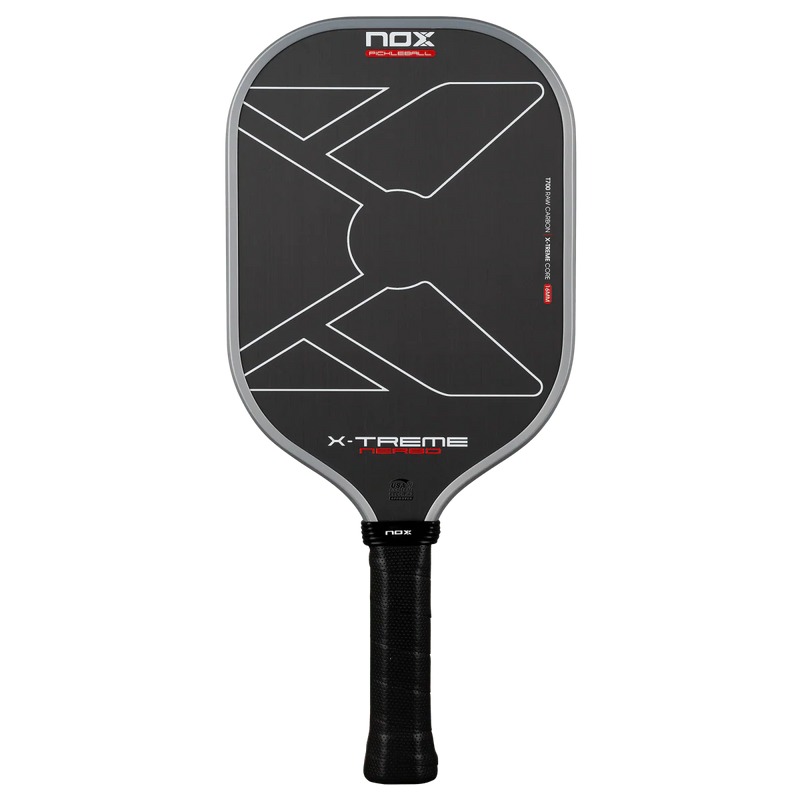
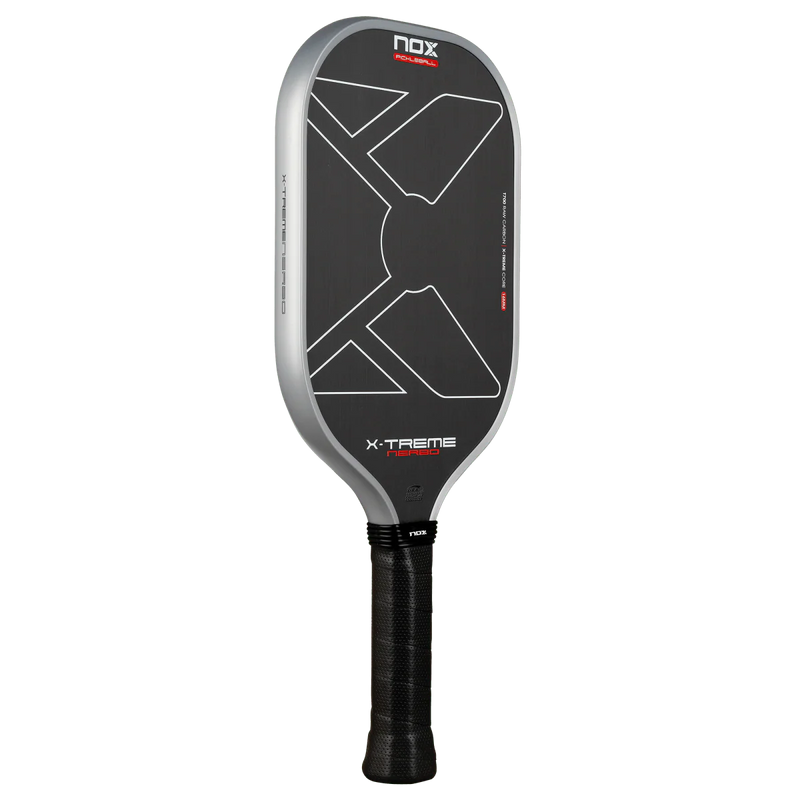
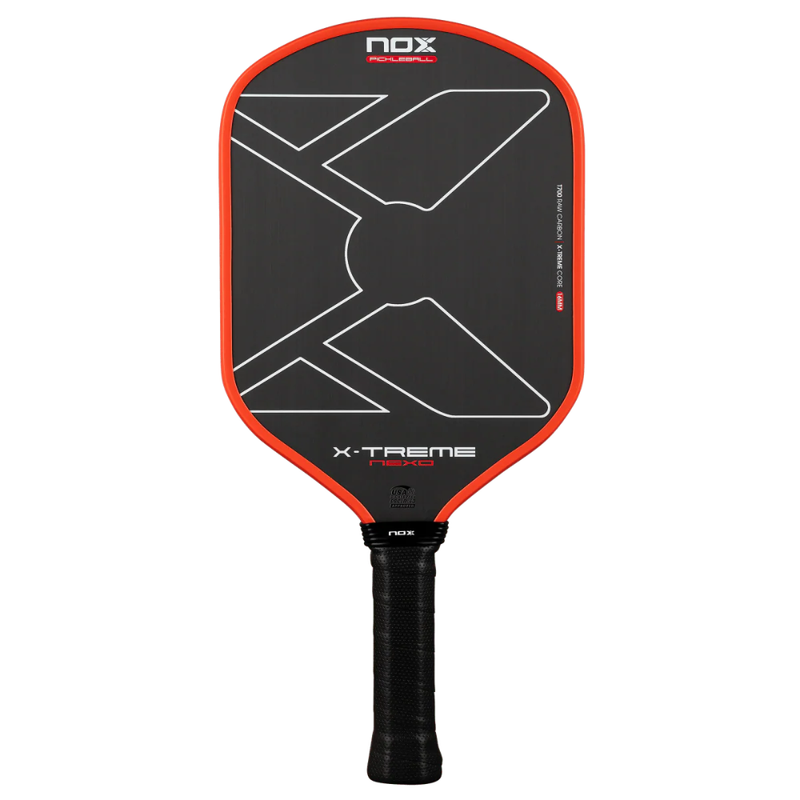
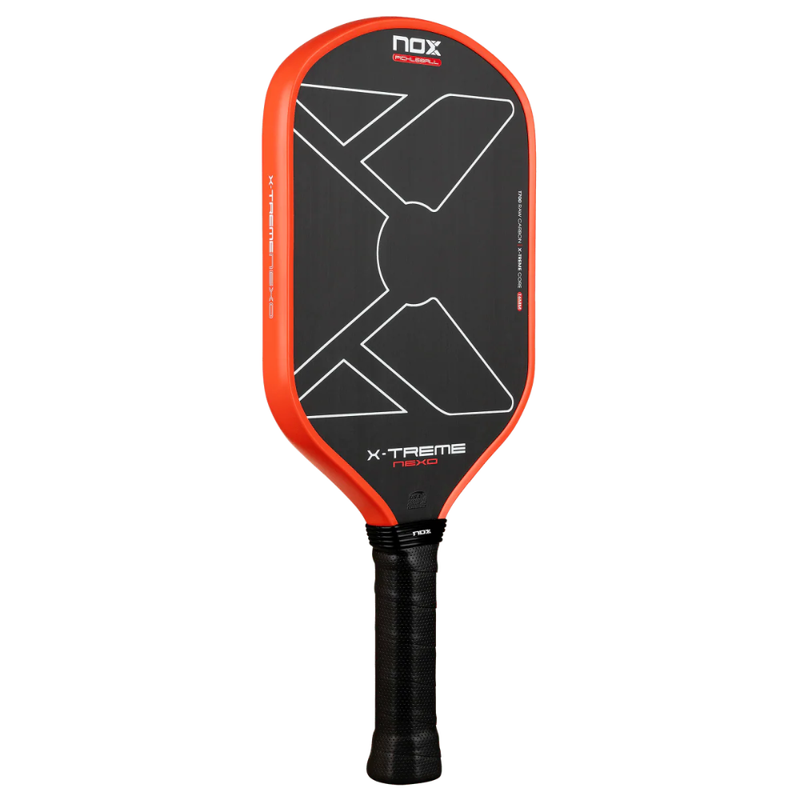
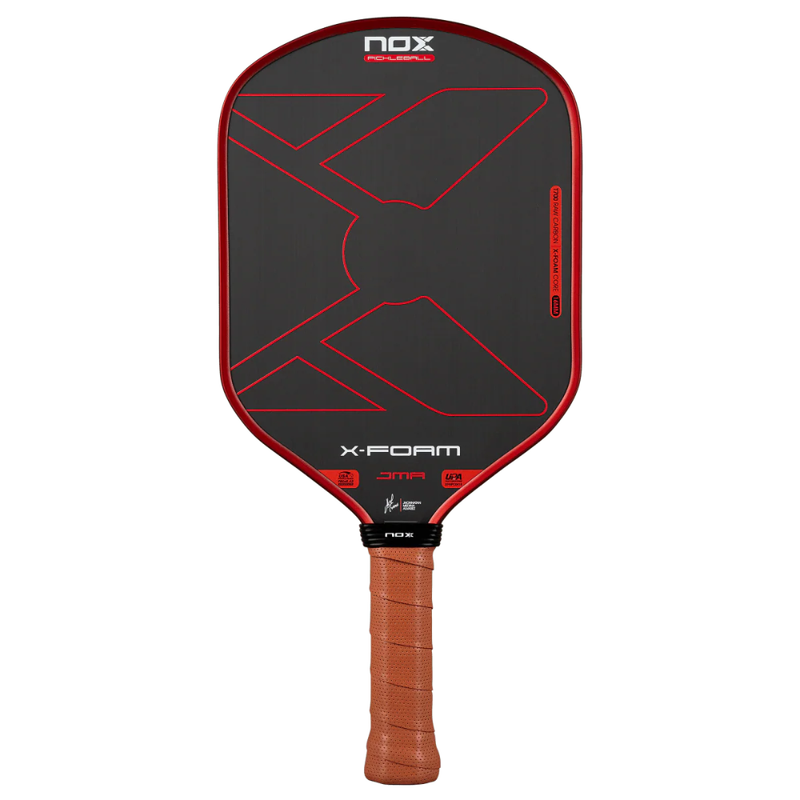
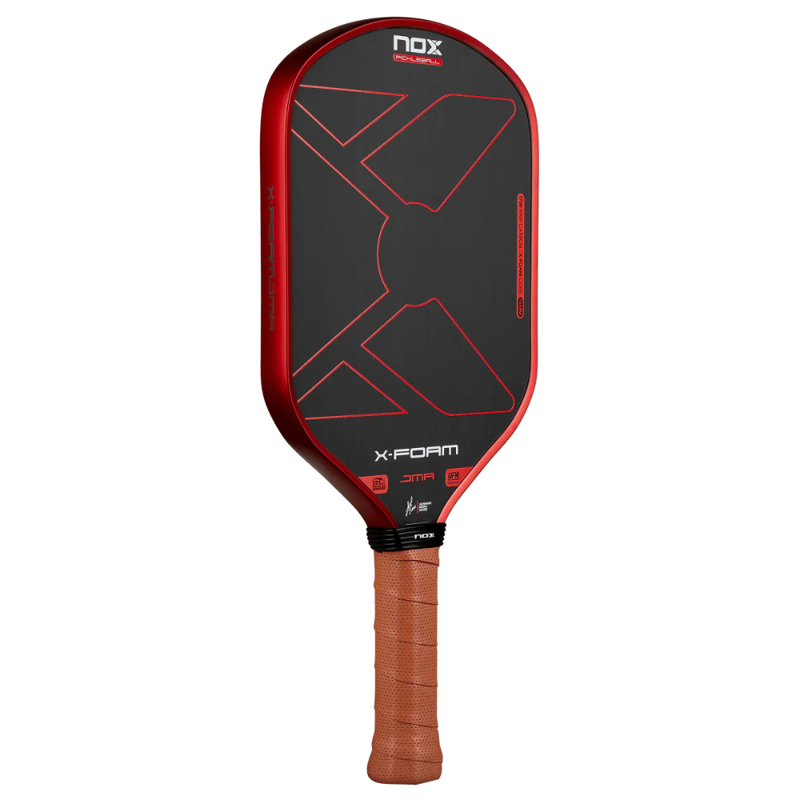
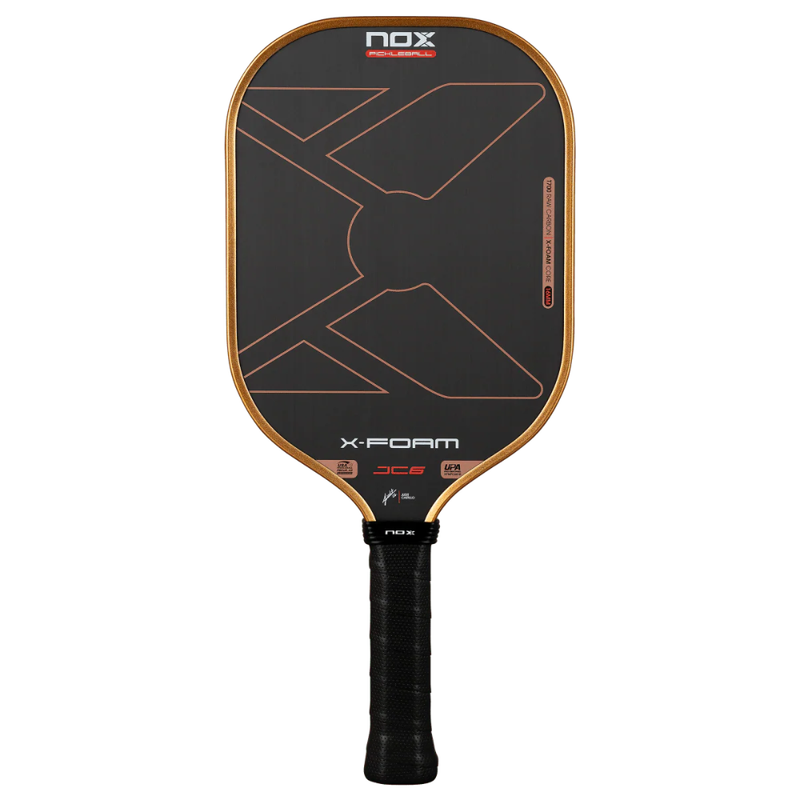
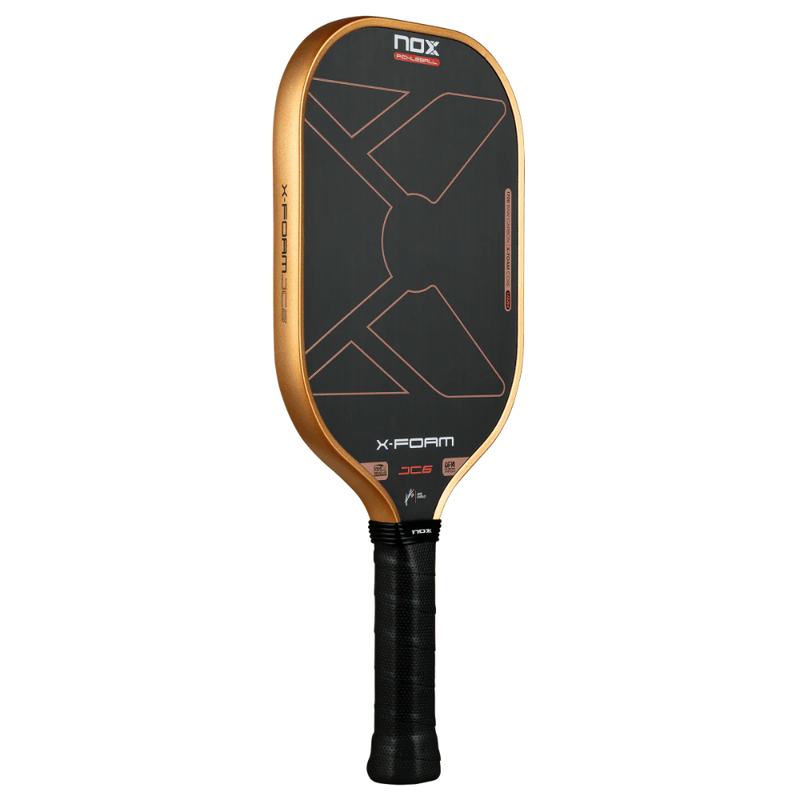
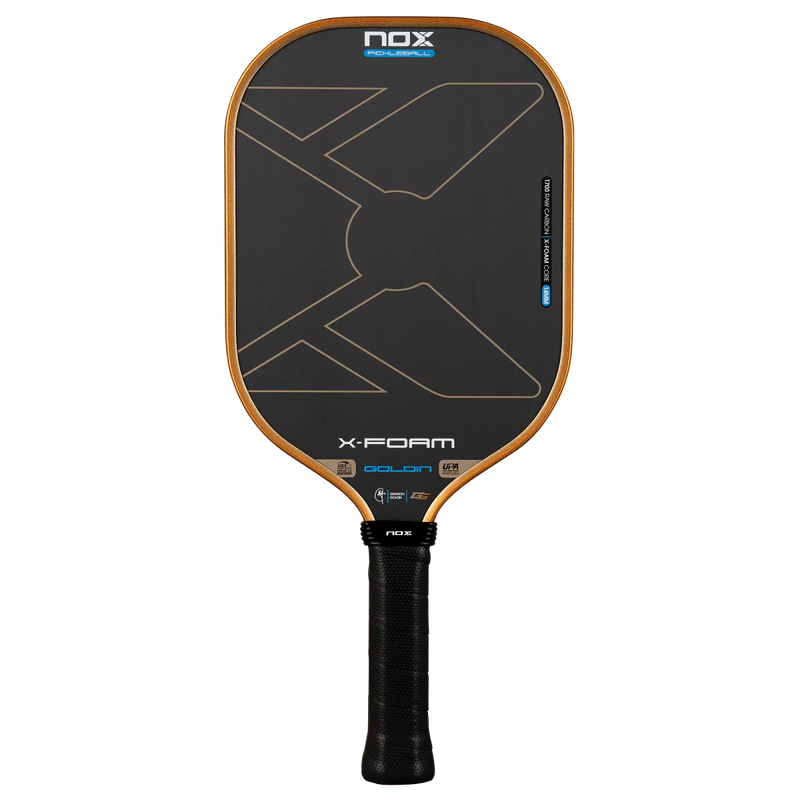
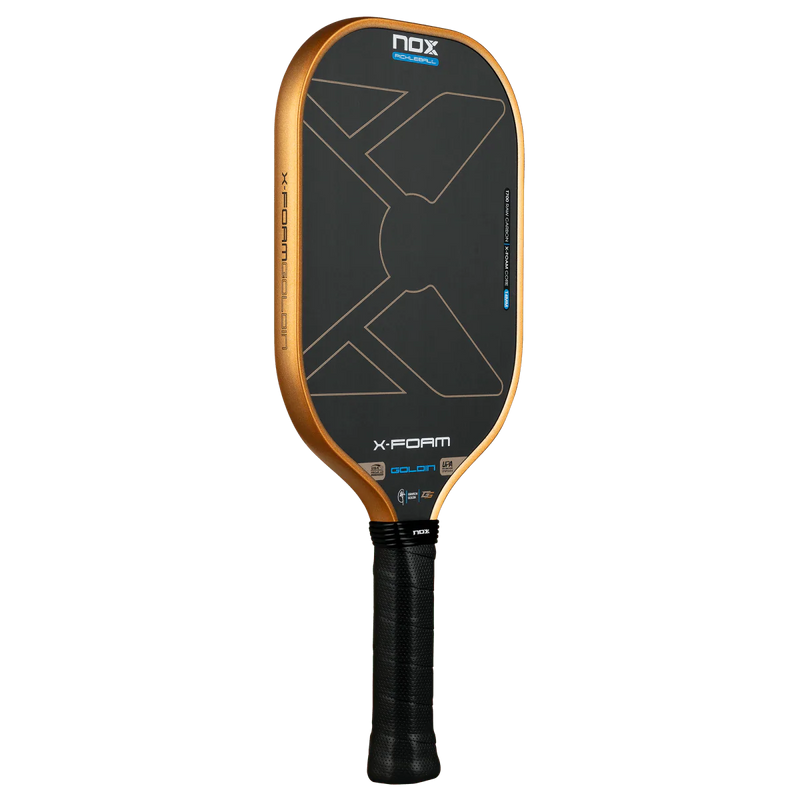
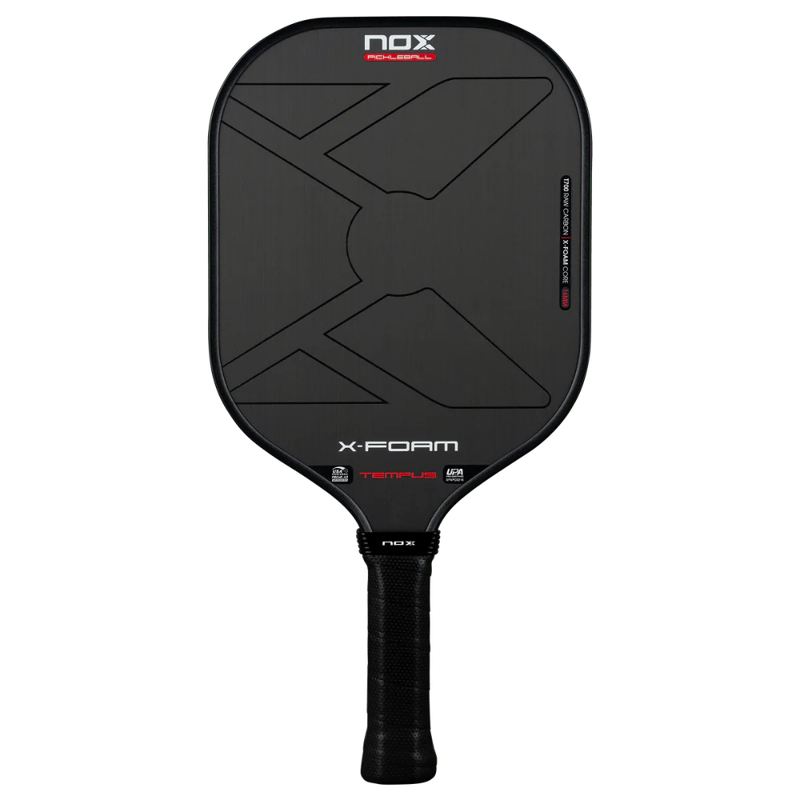
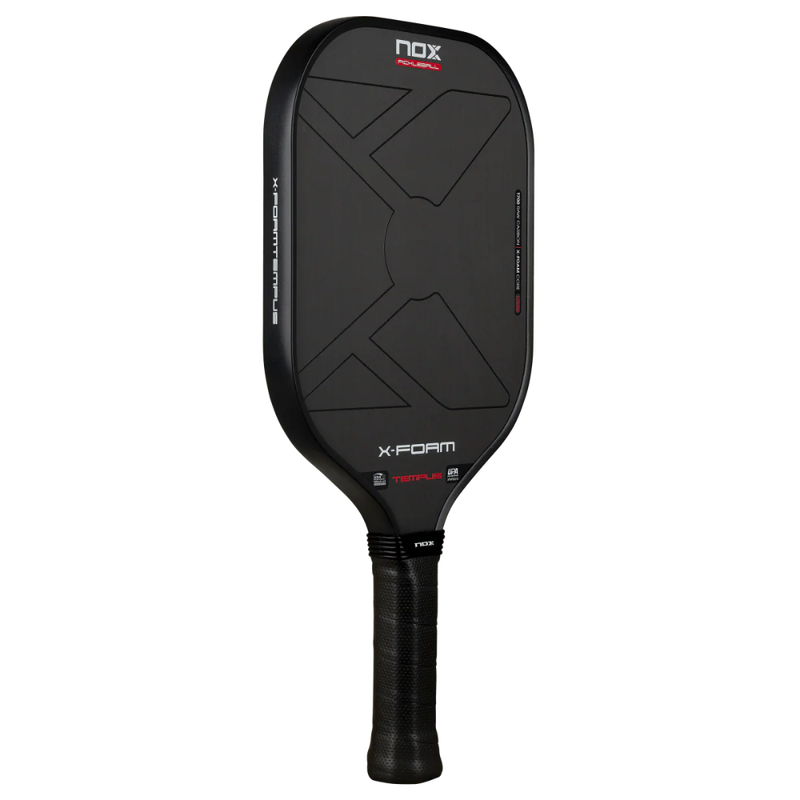
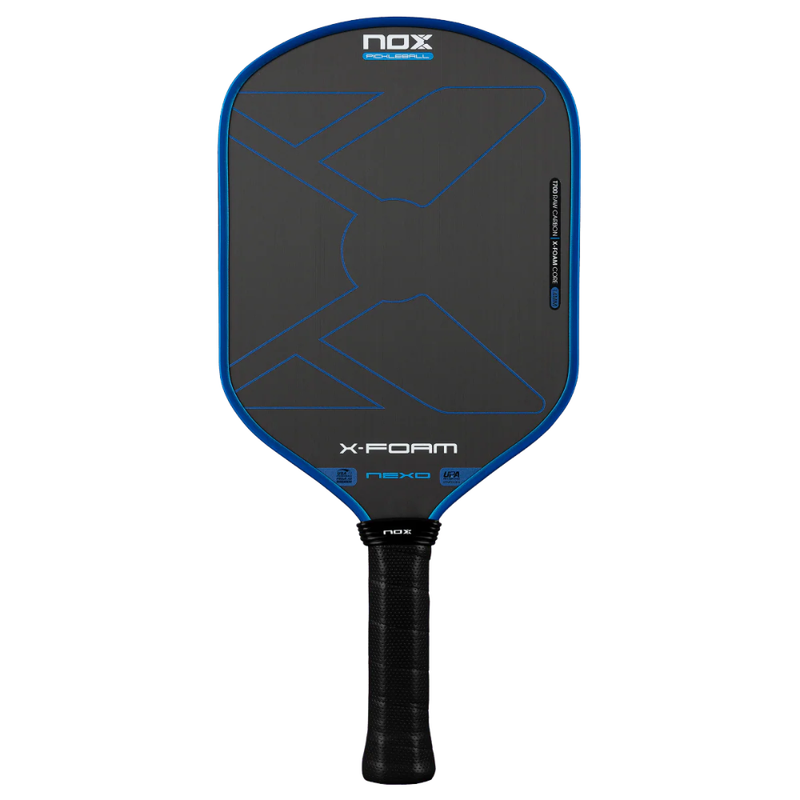
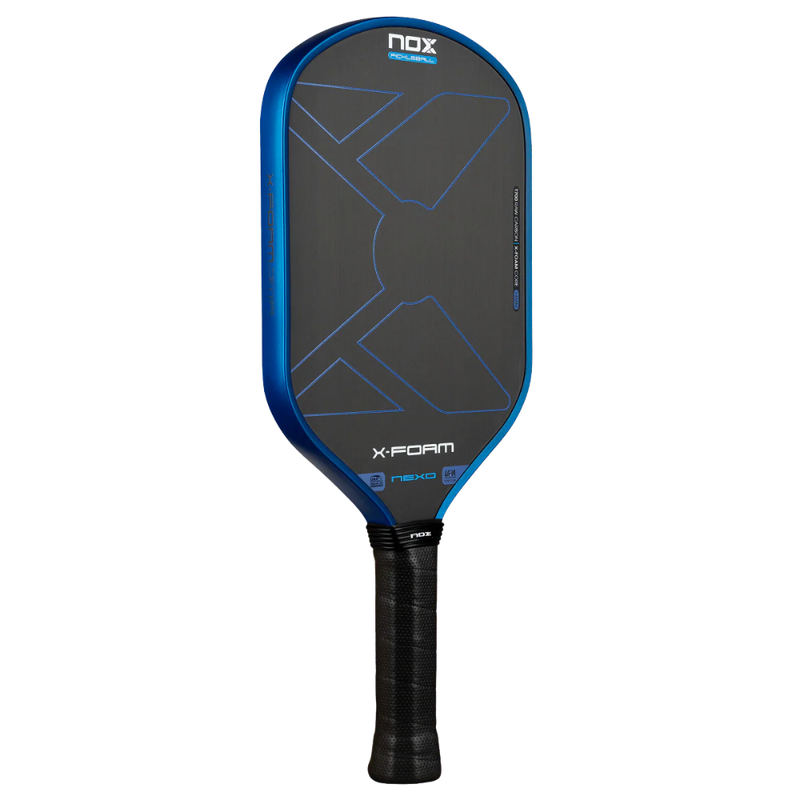
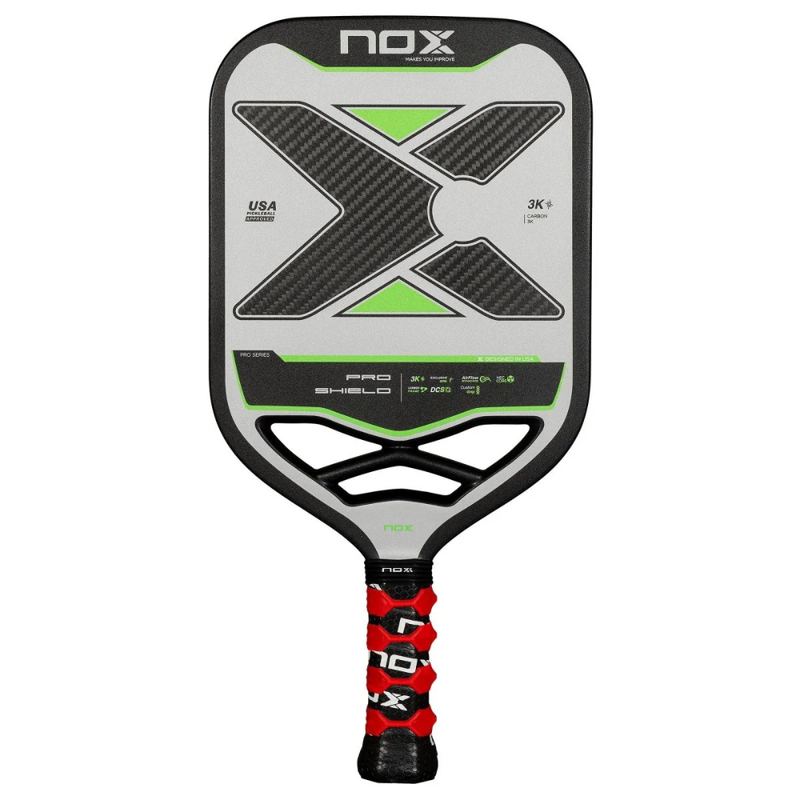
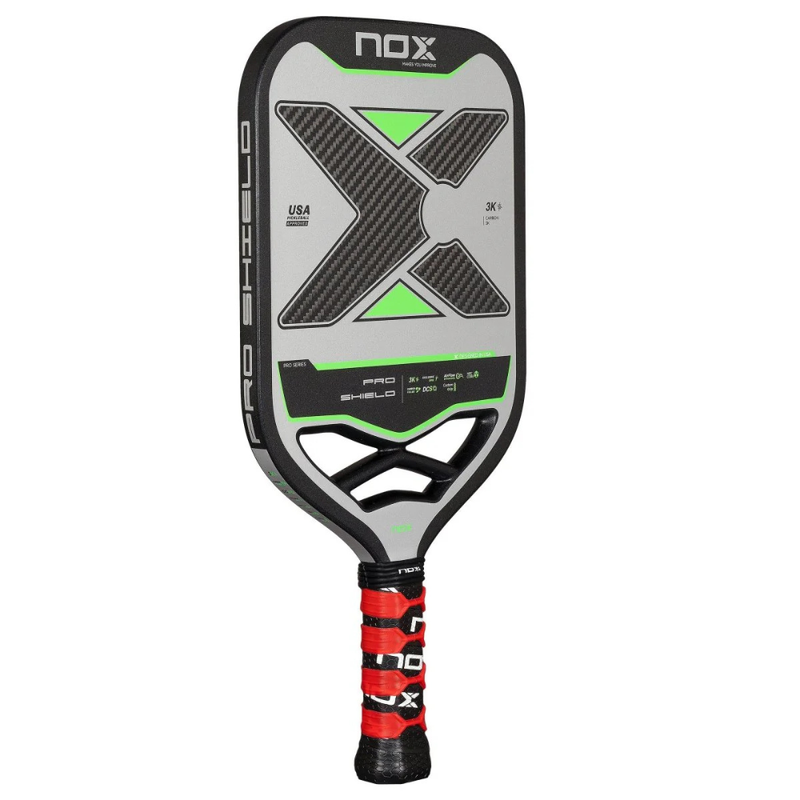
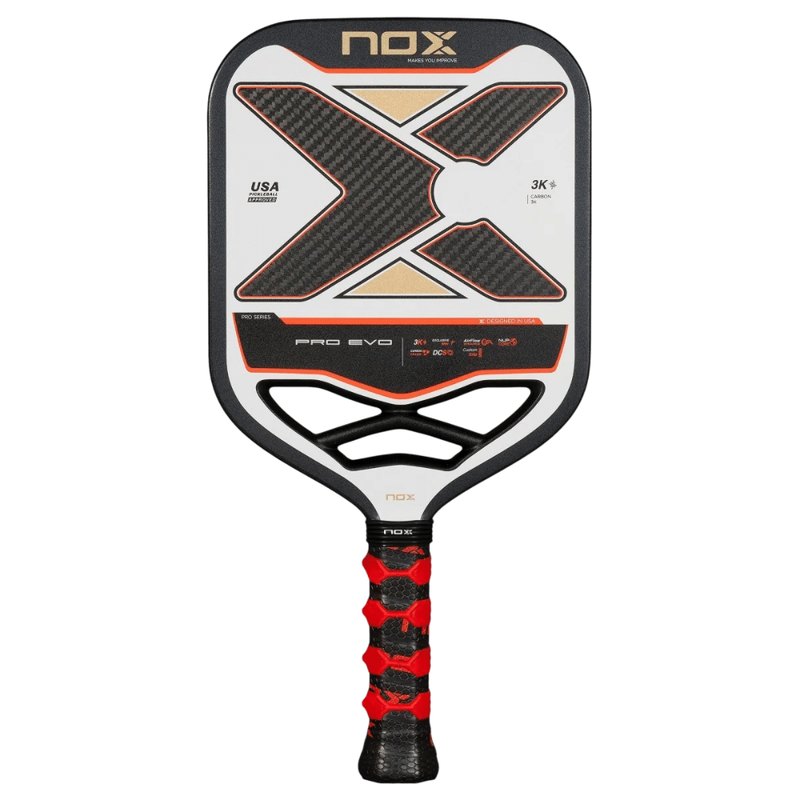
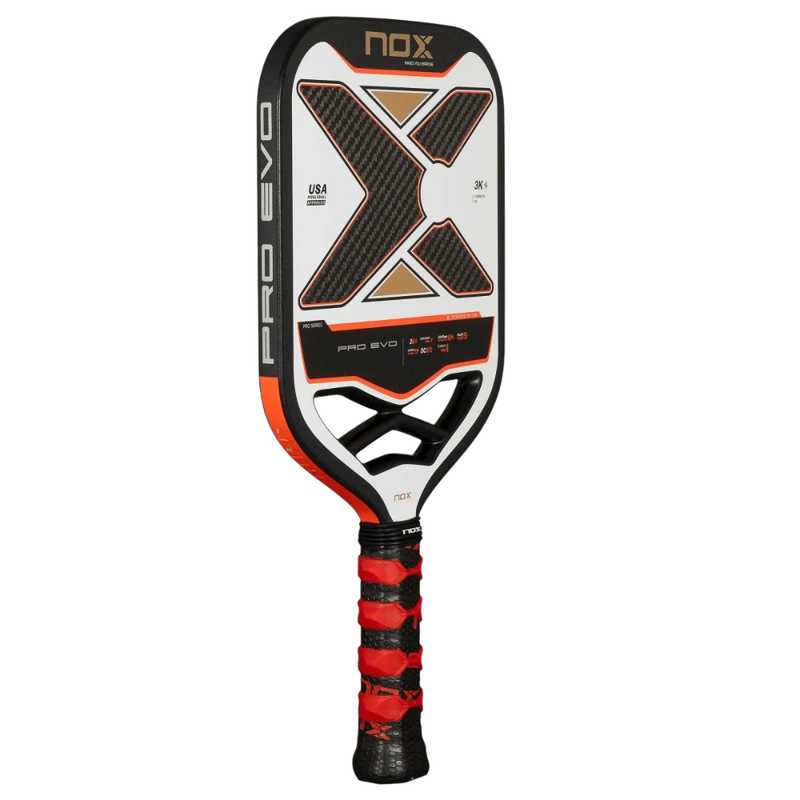
Choose a pickleball racket based on three factors: its weight, hitting surface and core thickness. This selection brings together Head, Nox, Wilson and Tecnifibre paddles, from beginner fibreglass models to carbon paddles designed for play at the net. Each product page lists the weight, surface and intended player profile.
What weight and thickness should you choose for your paddle?
Weight determines the balance between swing speed and power. A light paddle, under around 215 g, responds quickly in short exchanges near the ‘kitchen’. A heavy paddle, over 235 g, holds its line better against hard-hit balls.
Core thickness affects how the paddle feels on impact. The core is the inner polypropylene honeycomb layer sandwiched between the two faces. A 13 mm core returns the ball faster; a 16 mm core absorbs more impact and makes blocks more stable.
The handle matters too. Its circumference ranges from around 10 to 11.5 cm, depending on the model. For an average-sized hand, choose a slim handle and build it up with an overgrip if needed, so you do not have to grip too tightly.
Fibreglass or carbon: which hitting surface should you choose?
Fibreglass suits players new to the game. It is more flexible, propels the ball with little effort and forgives off-centre hits. Beginner paddles often use it, with a smooth face and a more affordable entry-level price.
Carbon is aimed at regular players. Stiffer, it provides better feel, and its textured face grips the ball for topspin or slice. Players coming from padel or tennis adapt quickly because they already know how to generate spin.
Standard or elongated racket: which shape should you choose?
The wider standard shape offers a generous sweet spot and inspires confidence at the net. The elongated shape adds a few centimetres of length, giving you extra reach and power from the back of the court, but reducing the forgiving hitting area.
| Player profile | Recommended weight | Surface | Core | Shape |
|---|---|---|---|---|
| Beginner or family play | 210 to 225 g | Fibreglass | 16 mm | Standard |
| Regular recreational player | 220 to 230 g | Fibre or carbon | 16 mm | Standard |
| Player coming from padel or tennis | 220 to 235 g | Textured carbon | 13 or 16 mm | Standard or elongated |
| Attacking player from the back of the court | 230 to 240 g | Carbon | 13 mm | Elongated |
| Net player, doubles play | 210 to 225 g | Carbon | 16 mm | Standard |
Expert tip: if you are torn between two weights, choose the lighter one. An overgrip or lead tape around the edge adds a few grams, whereas you cannot make a paddle lighter.
Explore our pickleball balls and nets and our indoor and outdoor pickleball balls too.
FAQ
Which pickleball racket should you choose as a beginner?
To get started, choose a standard-shaped fibreglass paddle weighing around 215 to 225 g. This combination provides effortless power and a large, forgiving hitting area. A pack with two rackets and balls is the simplest way to start playing together without making several separate purchases.
Does a pickleball racket need to be approved?
Yes for competition, no for recreational play. Official tournaments require a paddle approved by USA Pickleball, which checks factors including dimensions, face roughness and rebound power. For recreational games with friends or at a club, any paddle will do, provided it has no strings or holes.
When should you replace your pickleball racket?
Replace your paddle when it loses responsiveness or texture. Watch out for a dull sound or rattling on impact, or a soft spot in the centre of the face. A surface that has become smooth and no longer generates spin is also a sign of wear. Regular players often notice these signs after one or two seasons of play.
What grip size should you choose for a paddle?
Measure the distance from the central crease of your palm to the tip of your ring finger: this gives you the right handle circumference. If in doubt, choose the slimmer handle. An overgrip adds around 1 to 2 mm and lets you adjust your grip, whereas a handle that is too thick restricts wrist movement.
Can you play pickleball with a padel racket?
No, a padel racket is not designed for this sport. Heavier and perforated, it does not meet pickleball rules and quickly tires your arm when hitting a light ball. Play padel too? Find your racket with El Selector, our padel racket selection tool.
Our products