FIND YOUR RACKET
 COMPARE MODELS
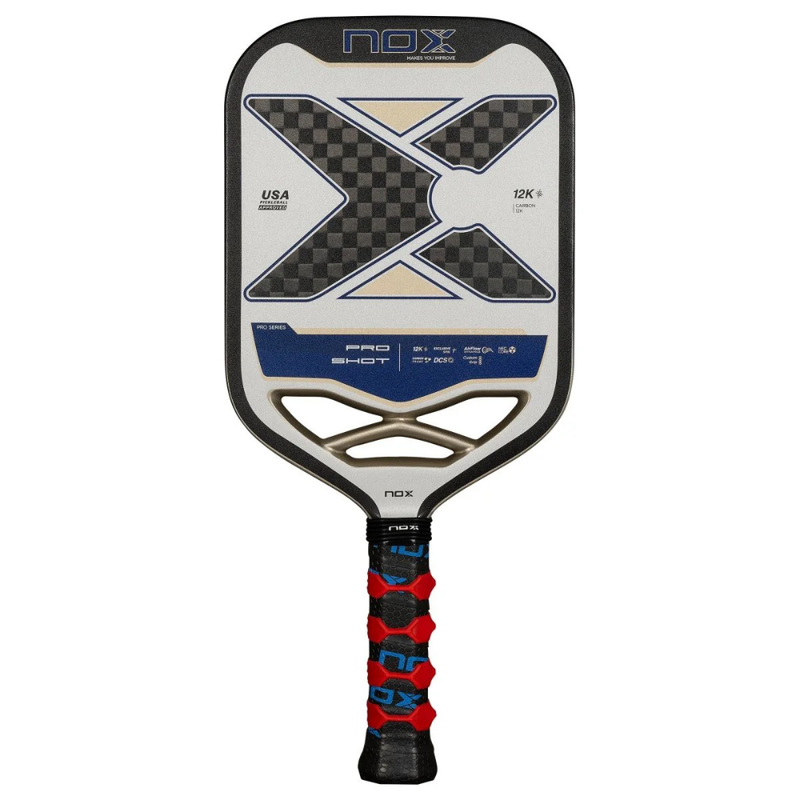
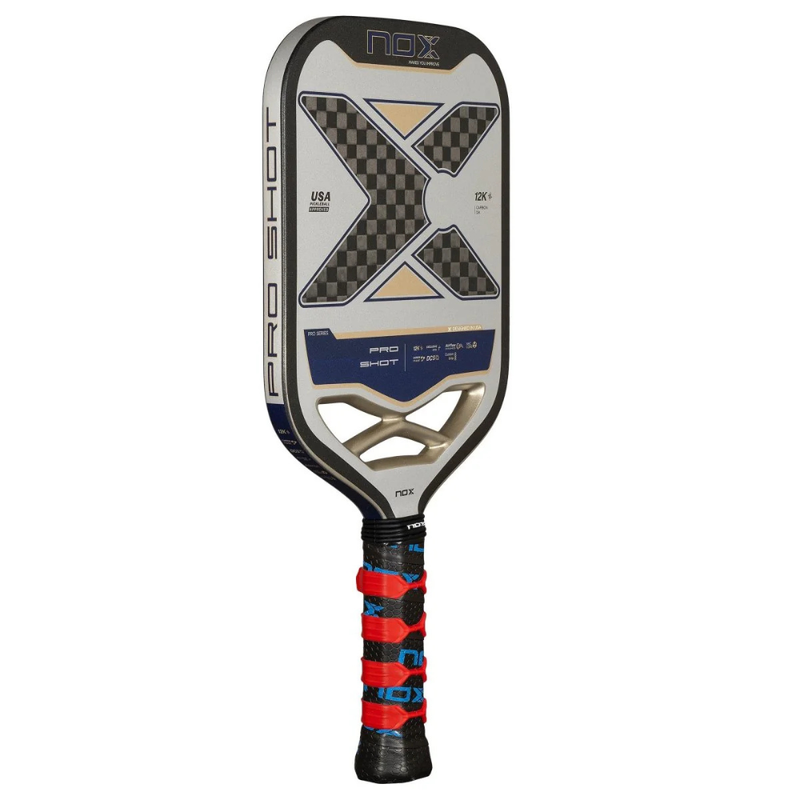
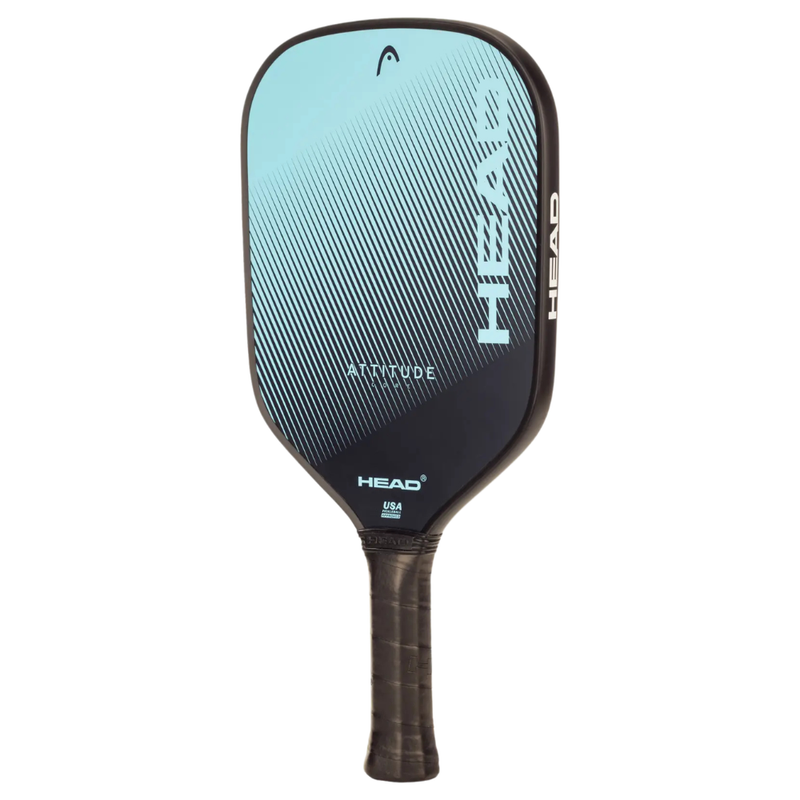
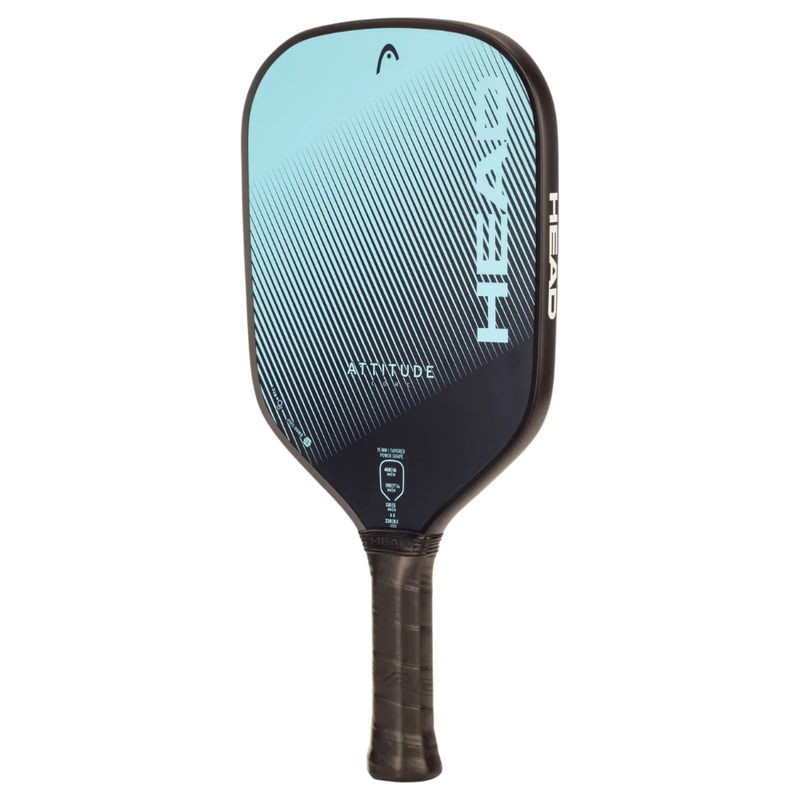
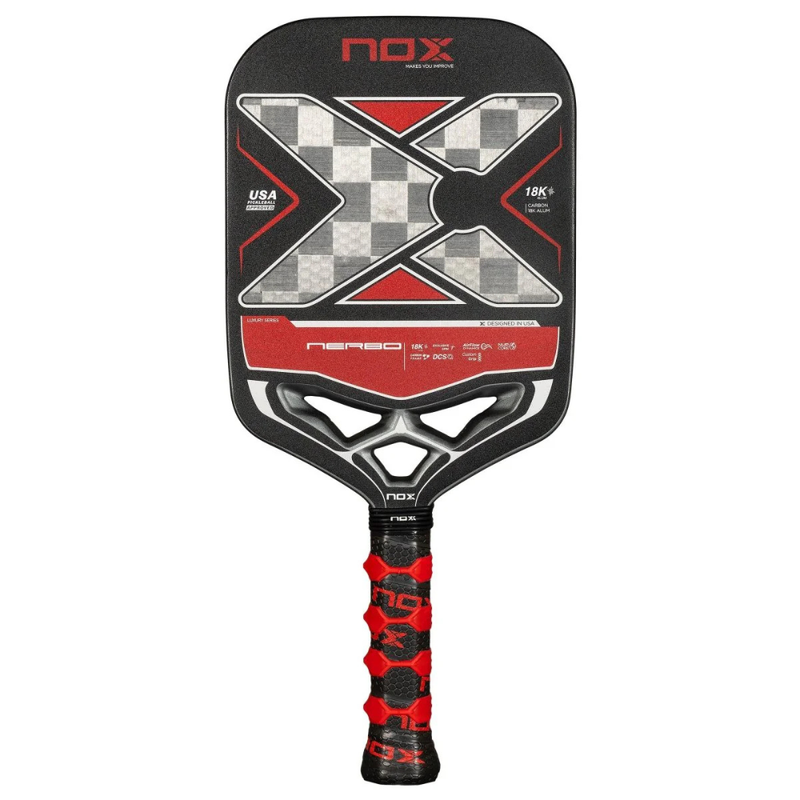
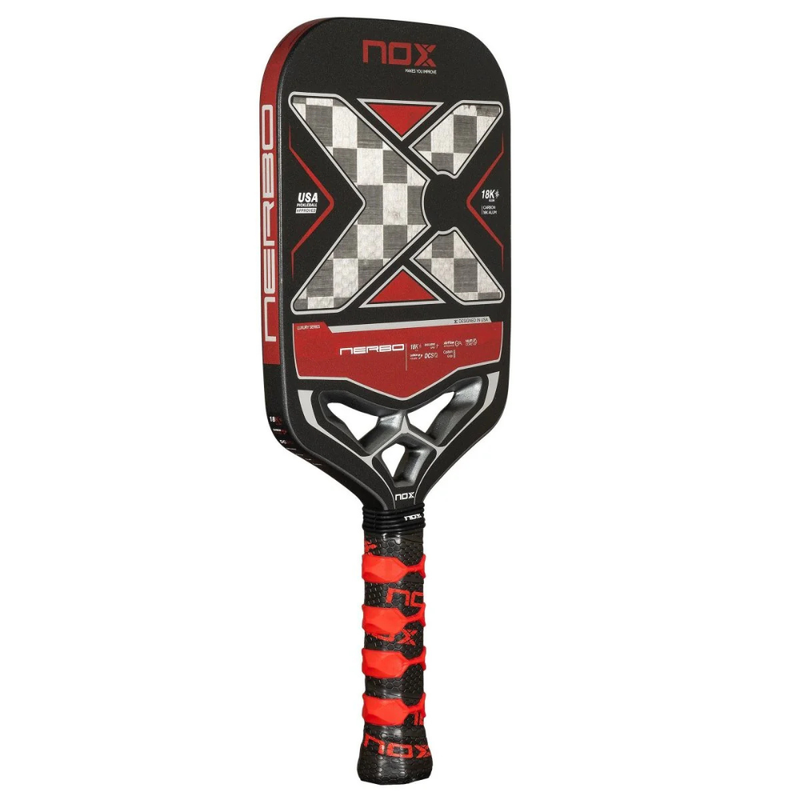


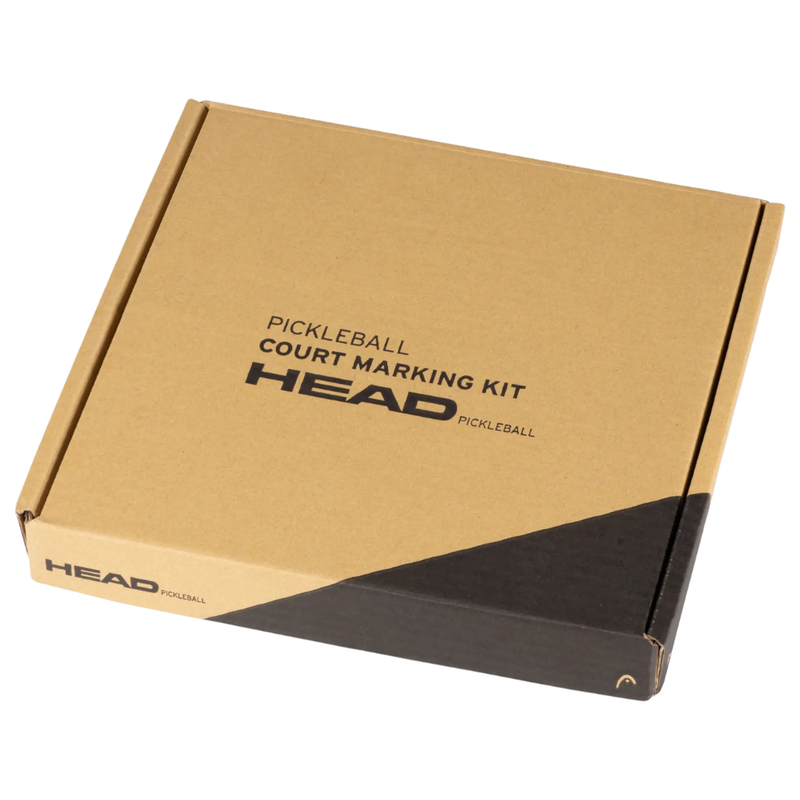
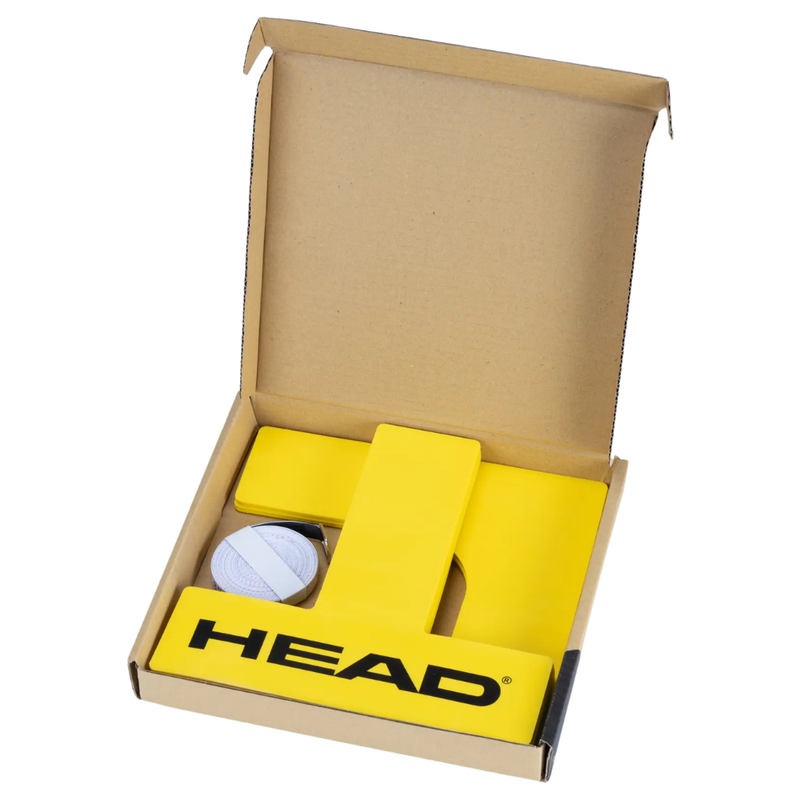
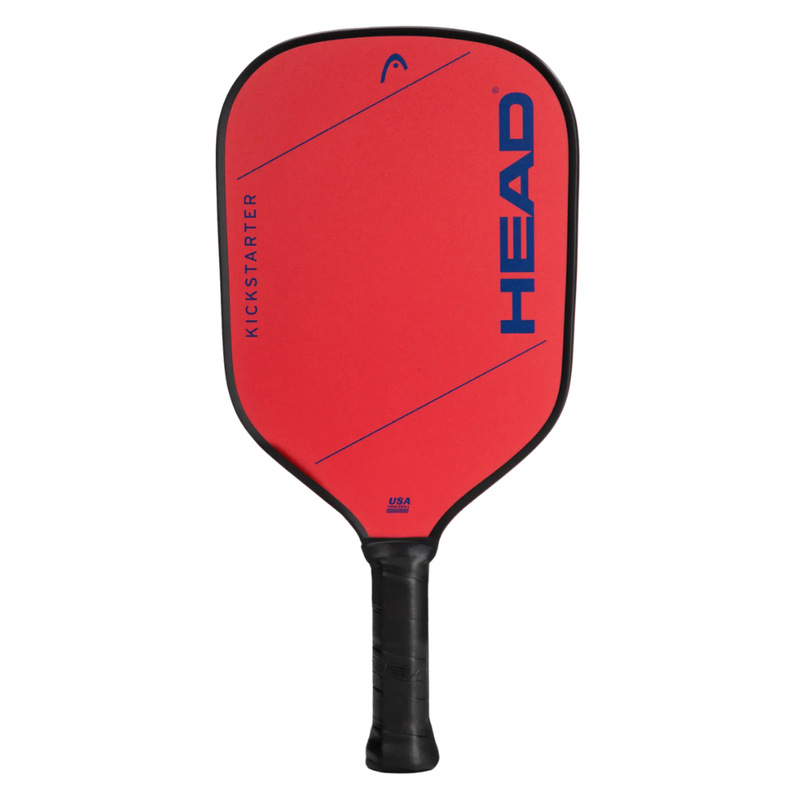
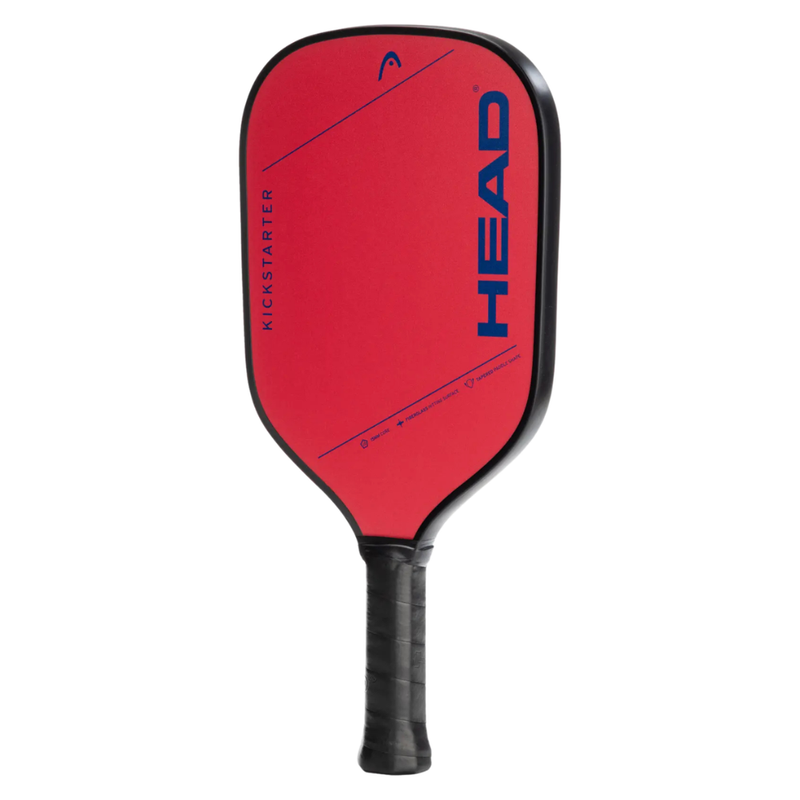
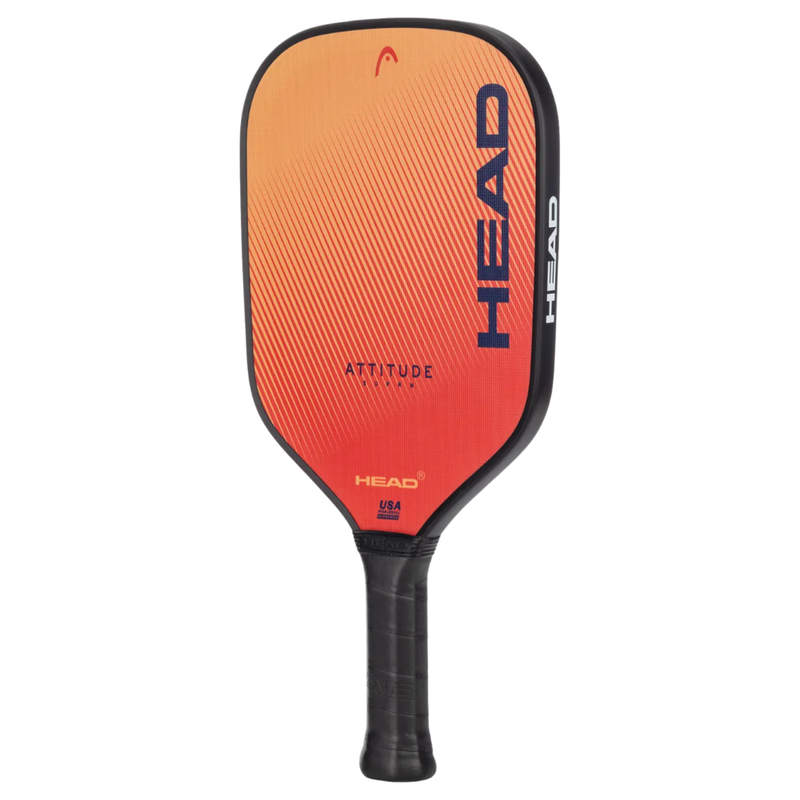
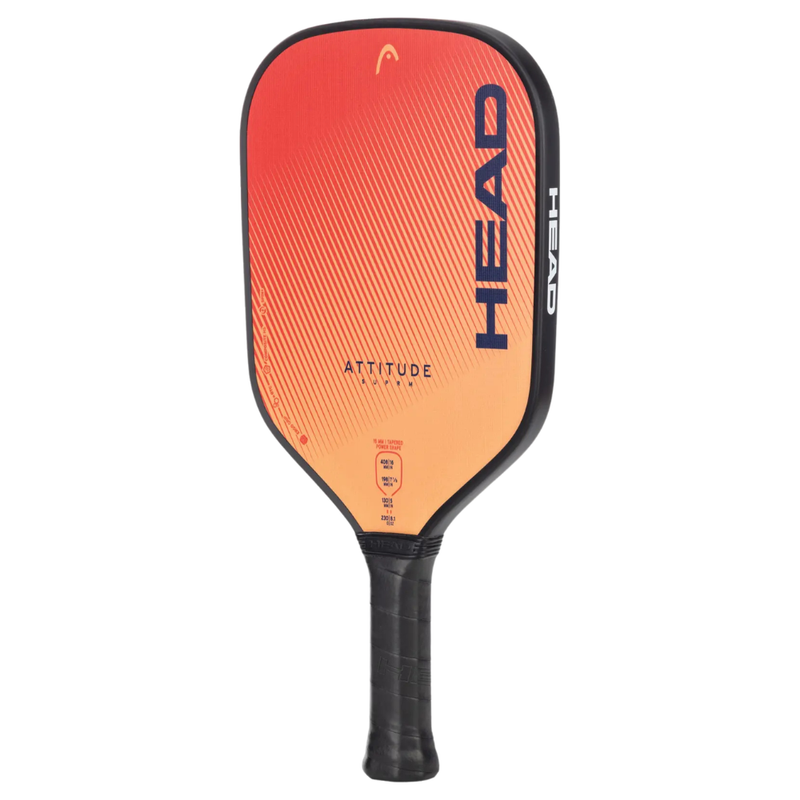
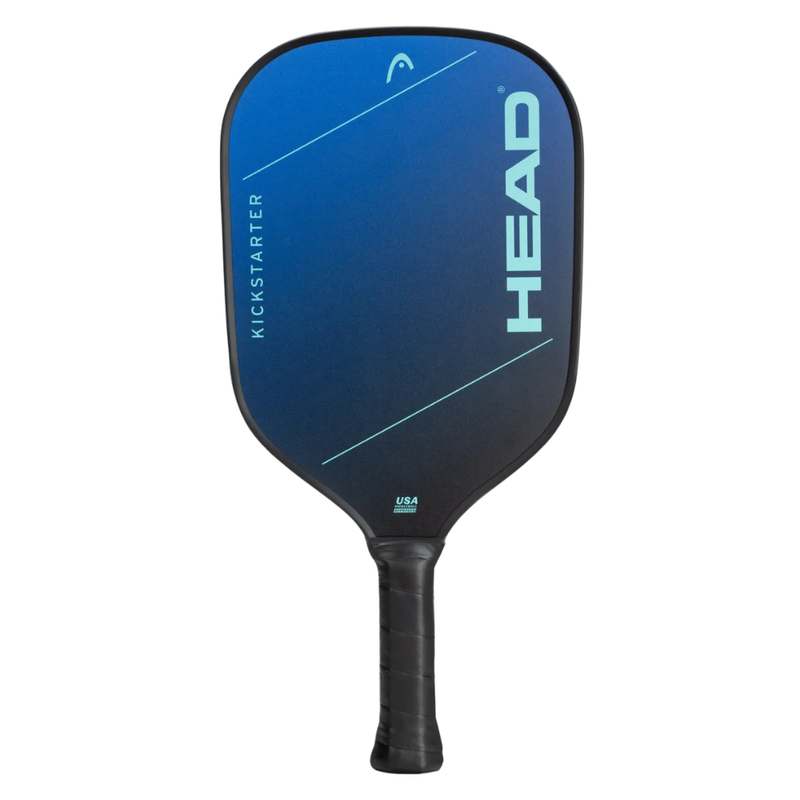
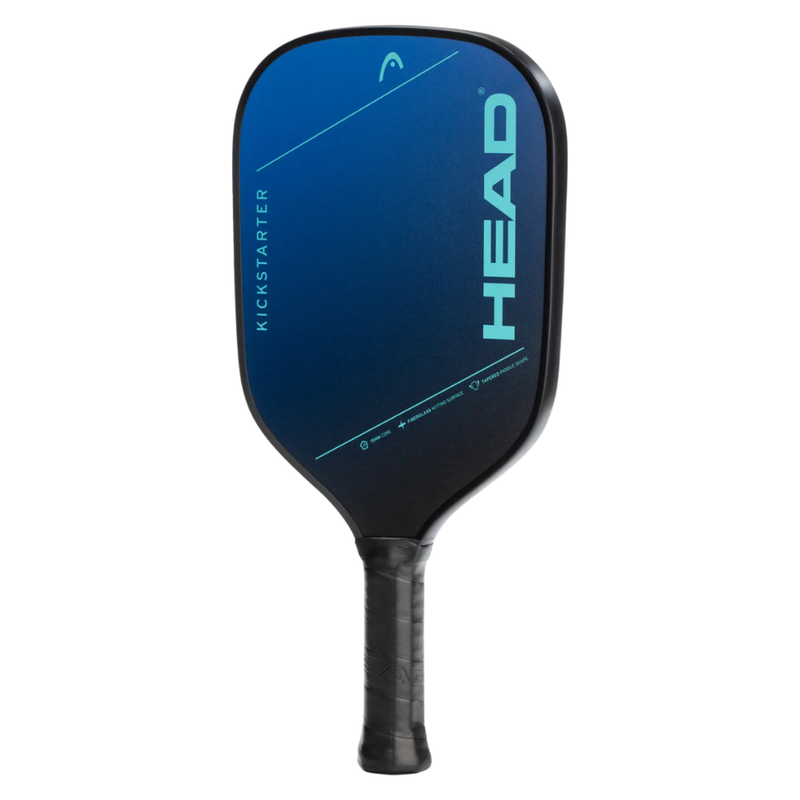
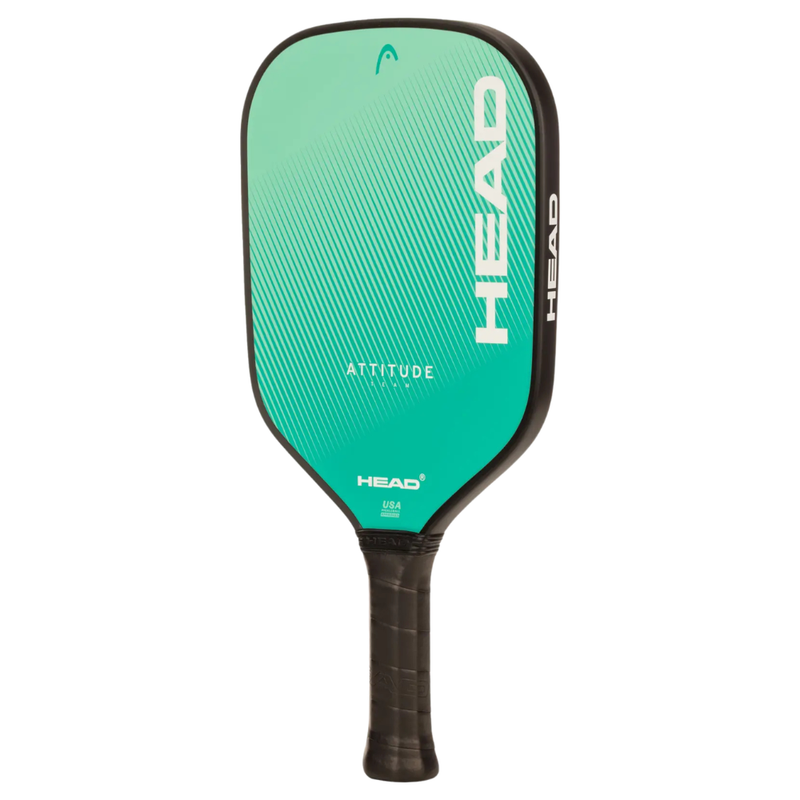
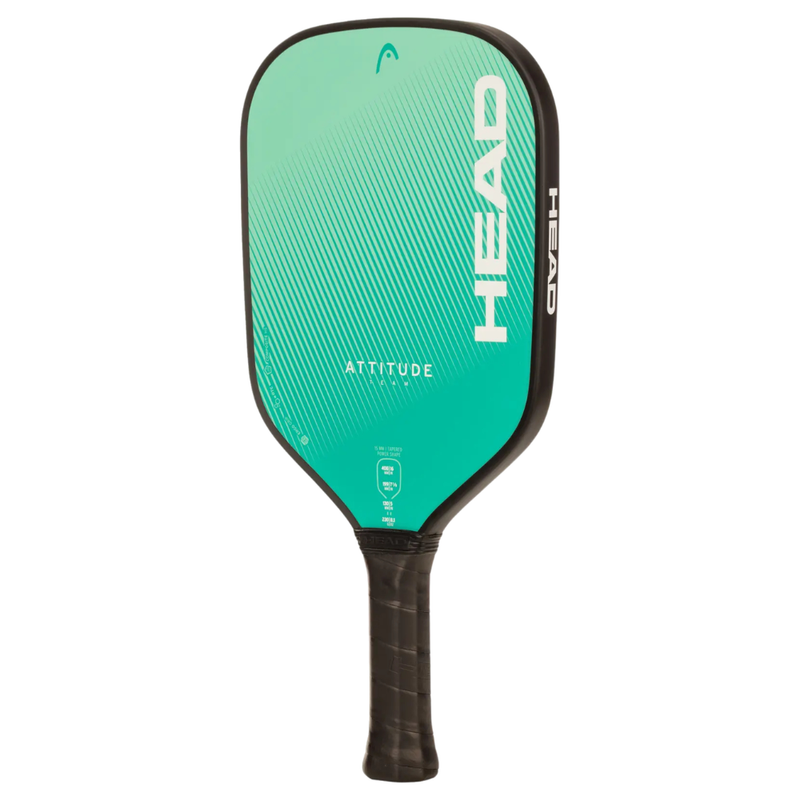
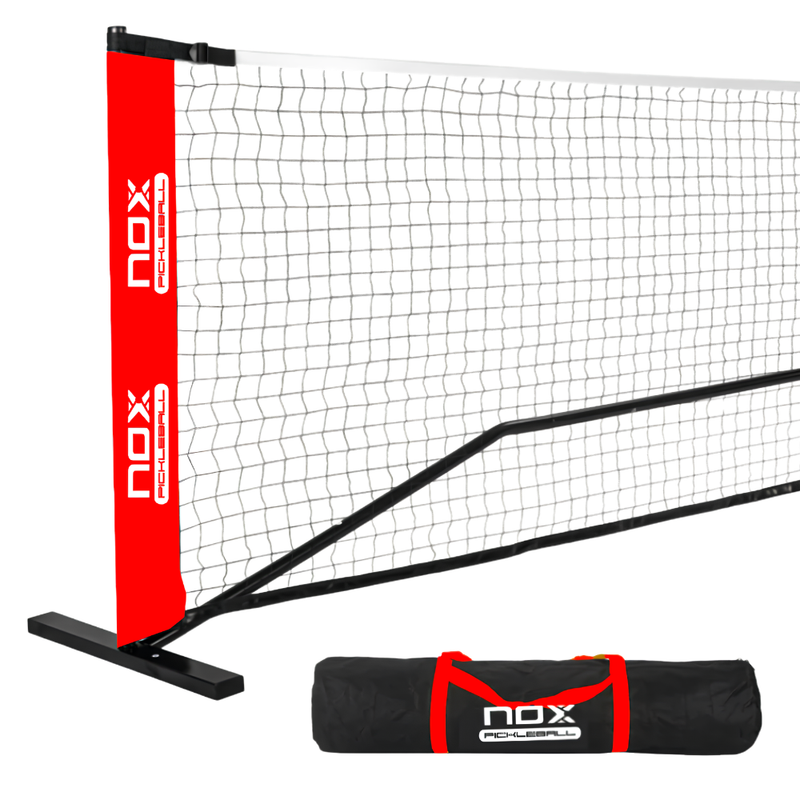
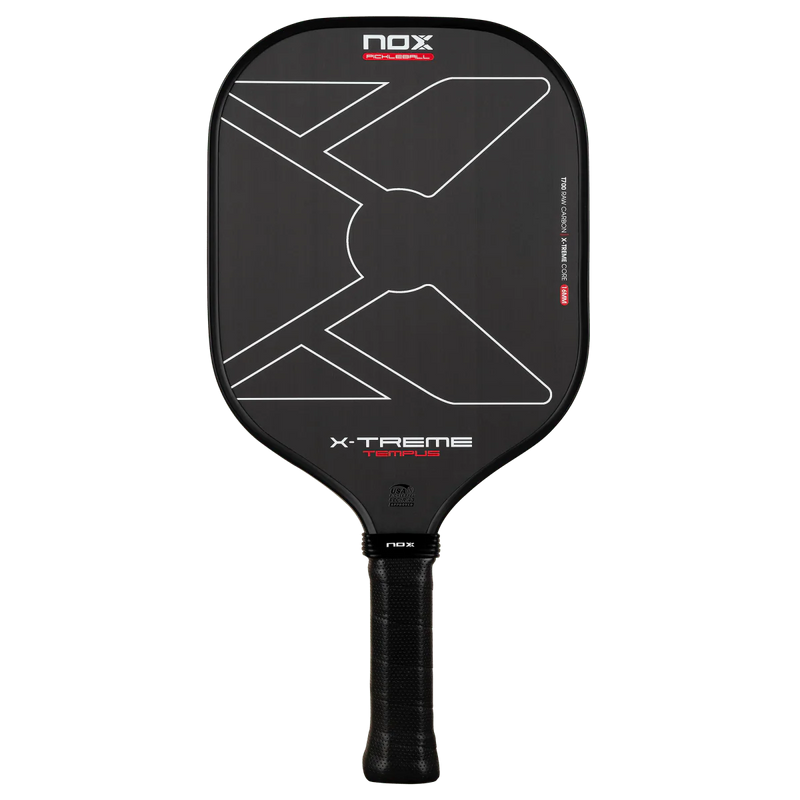
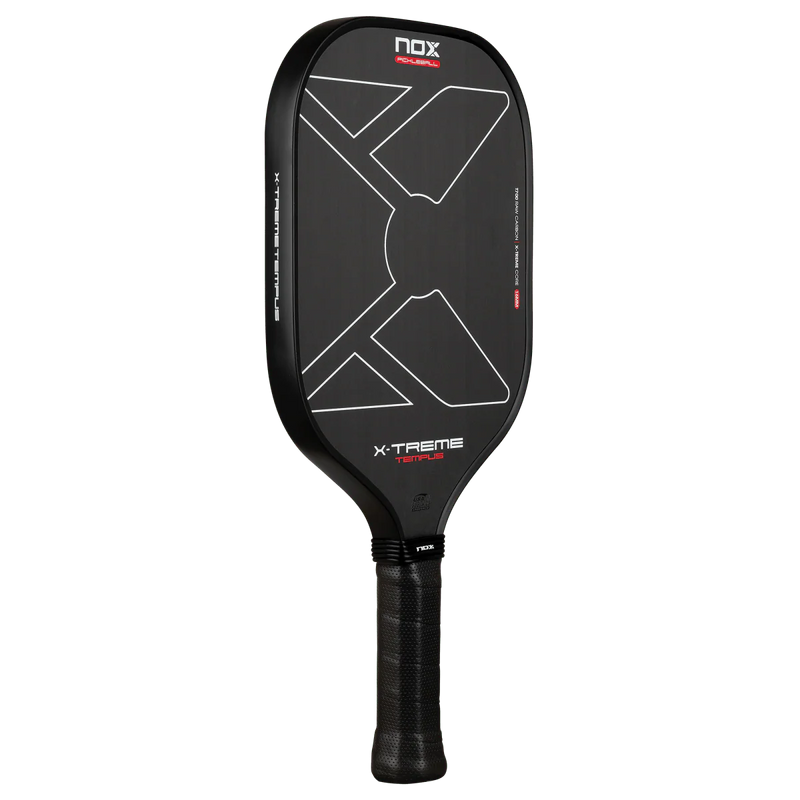
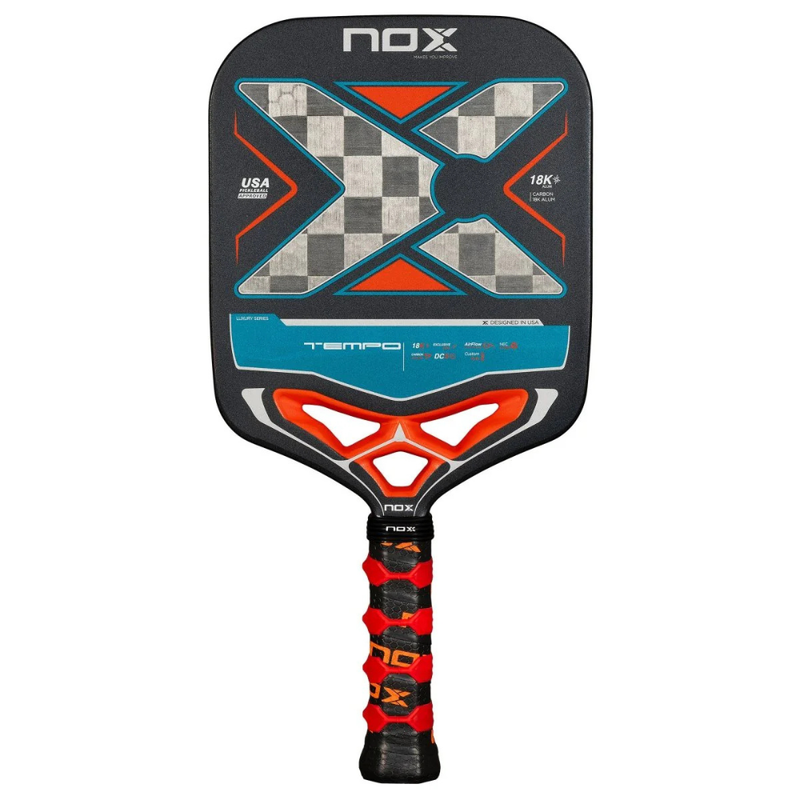
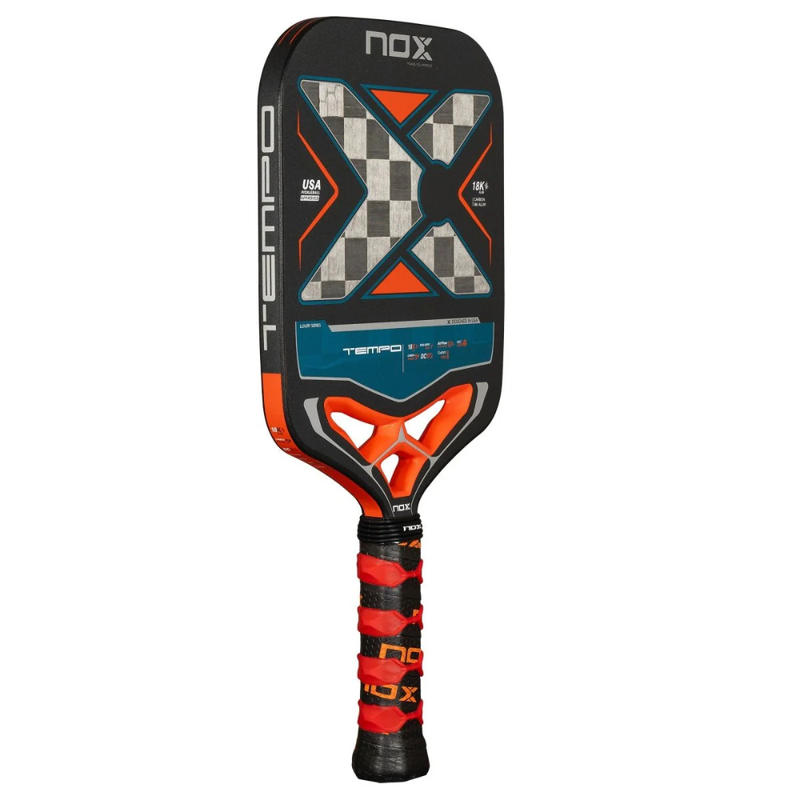
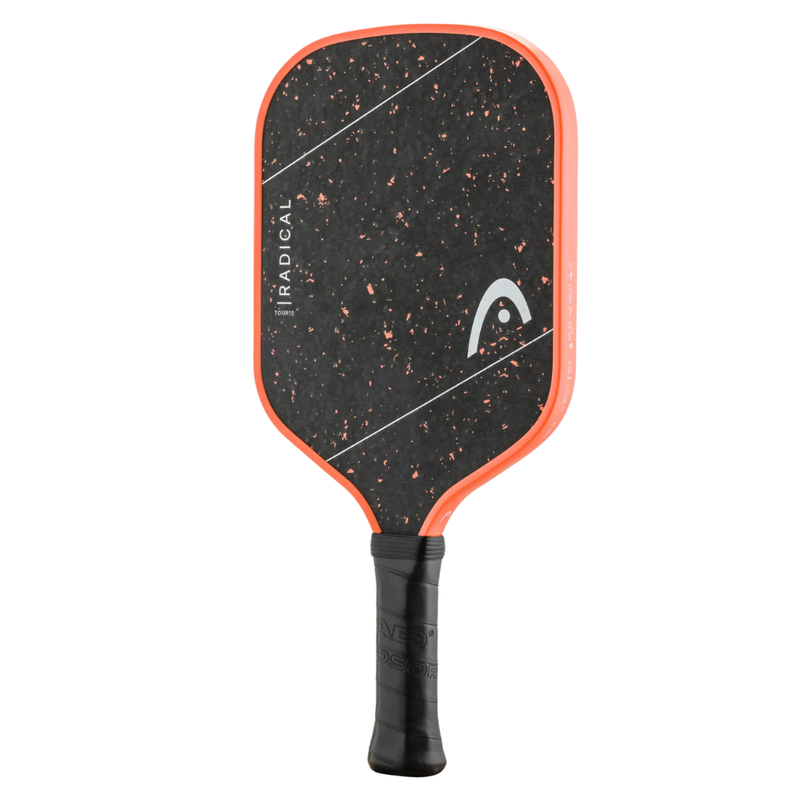
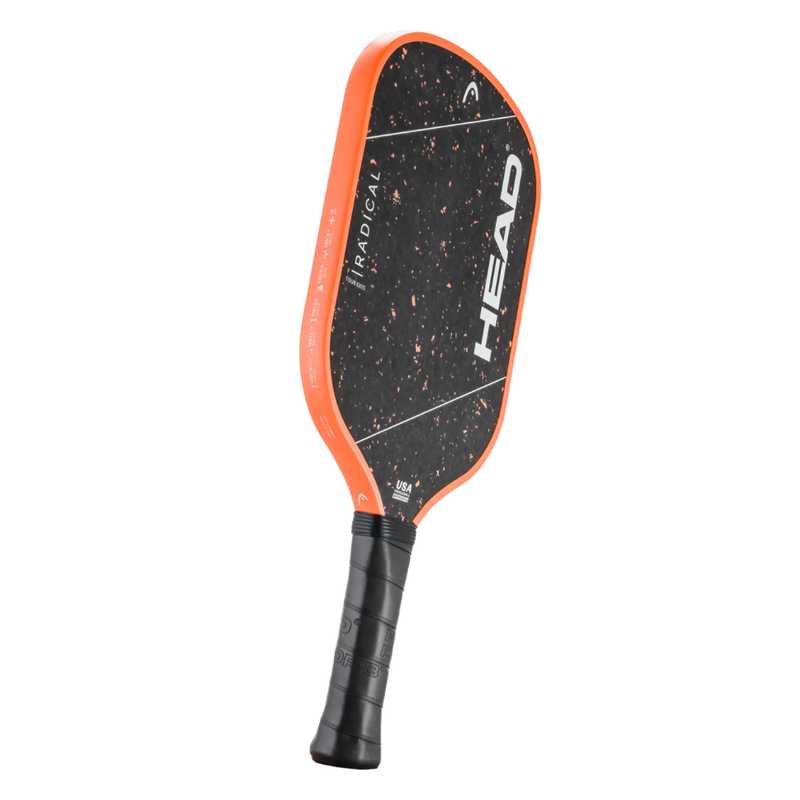
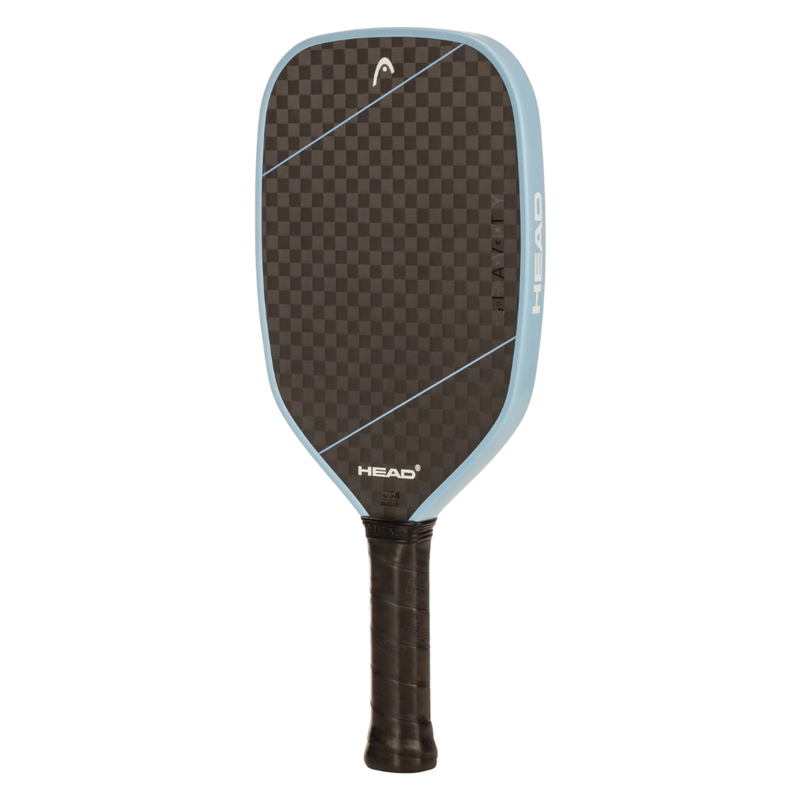
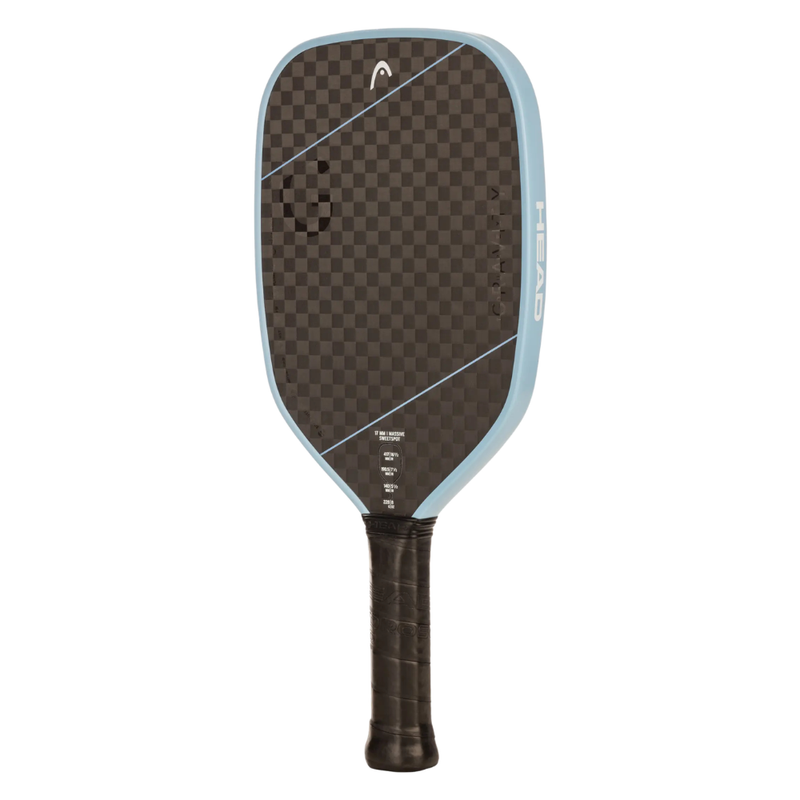


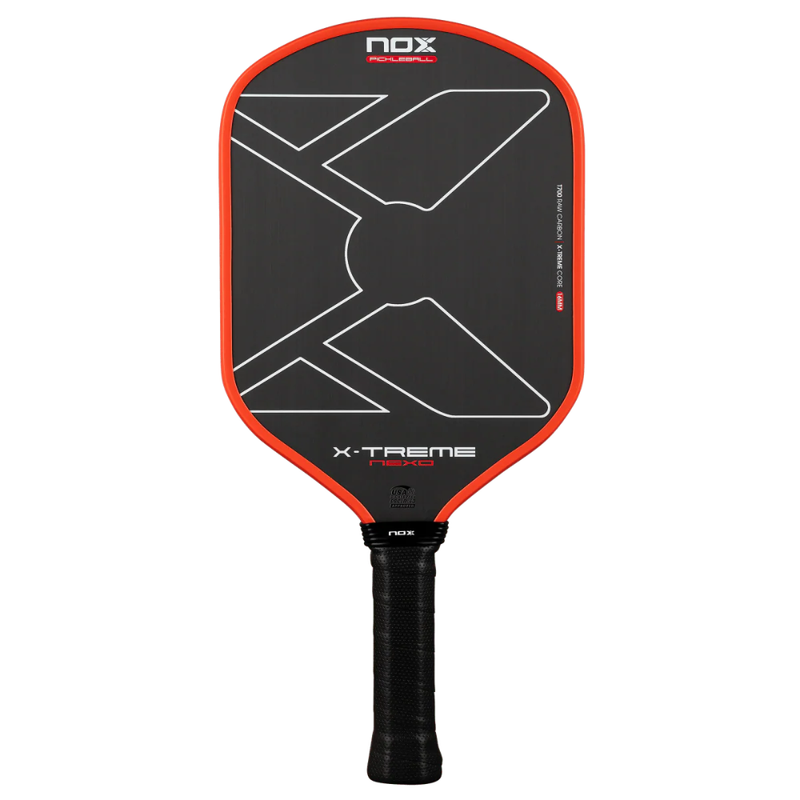
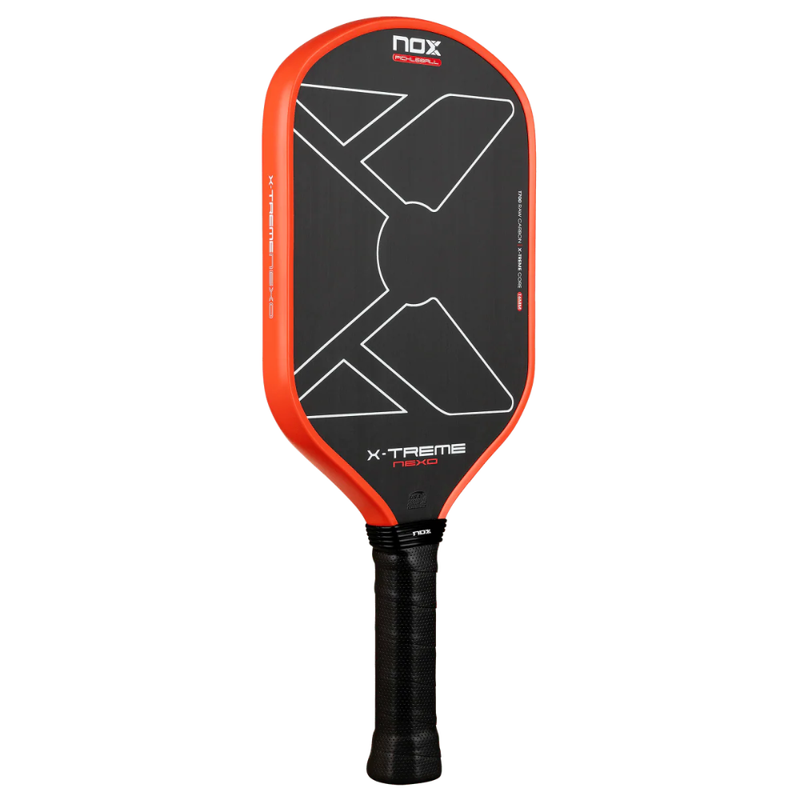
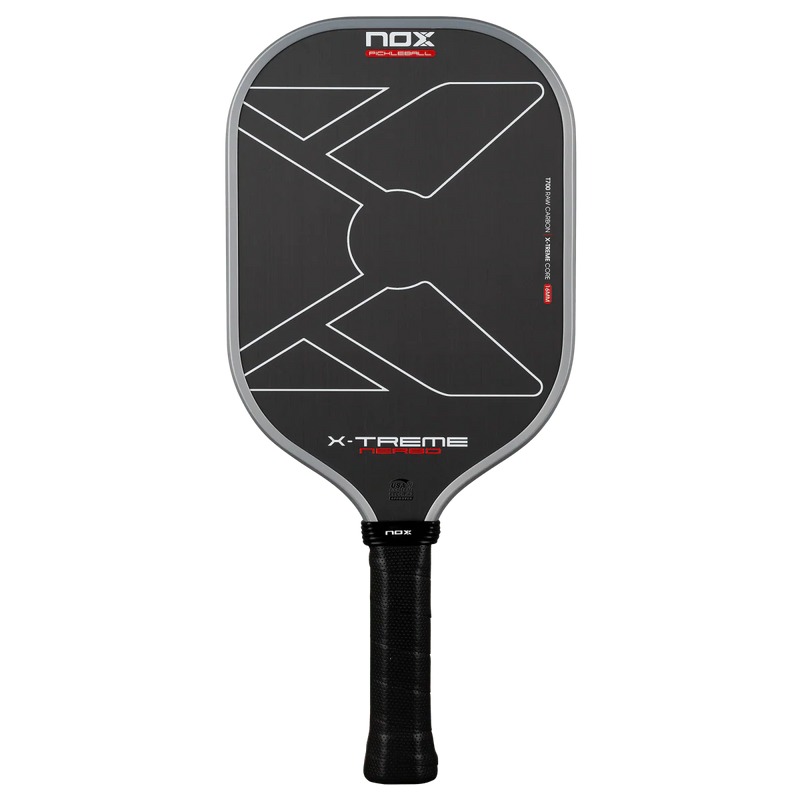
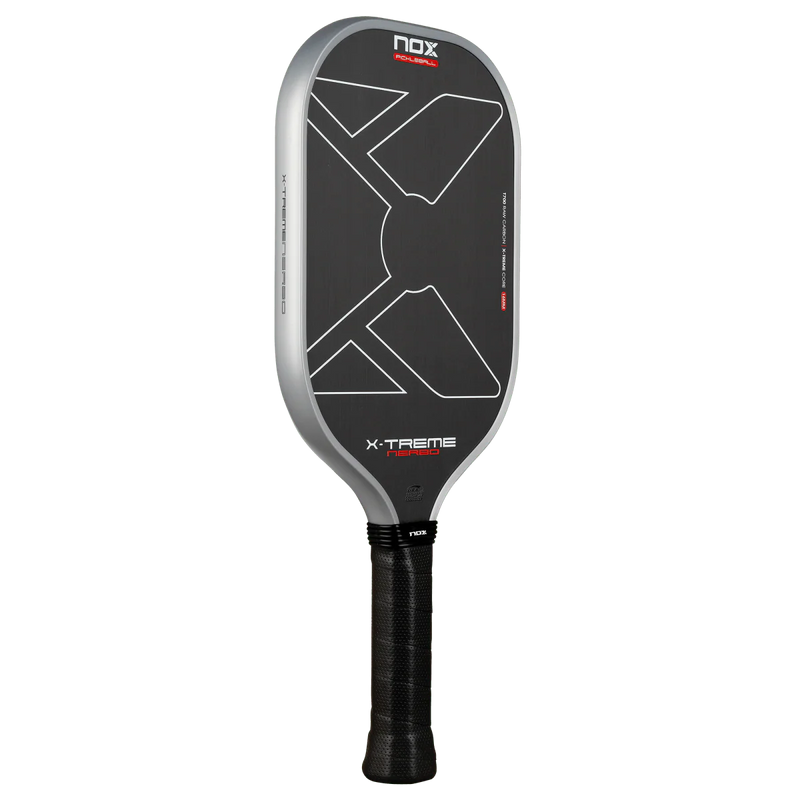
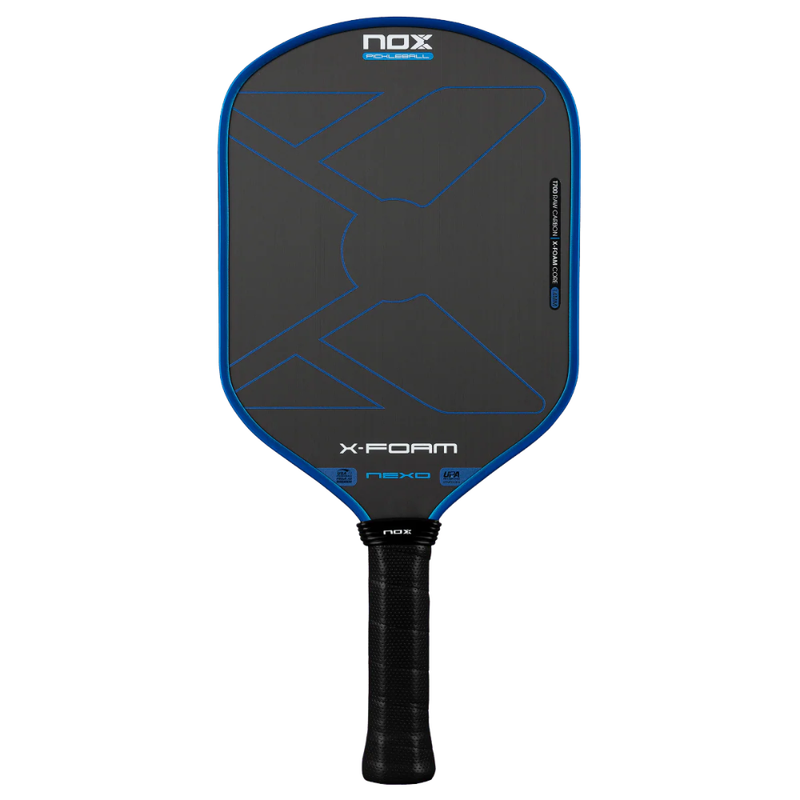
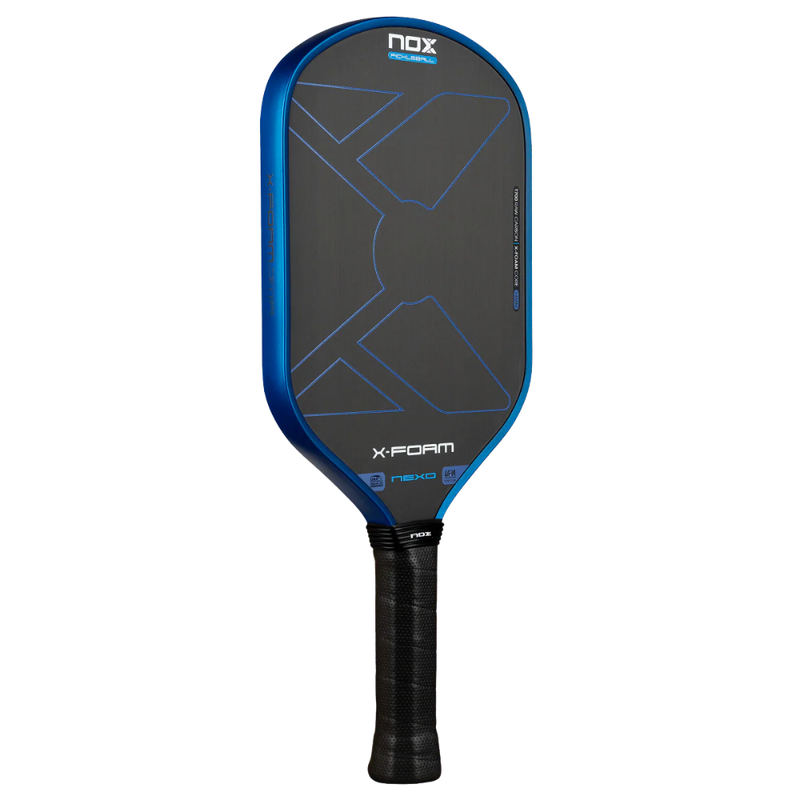
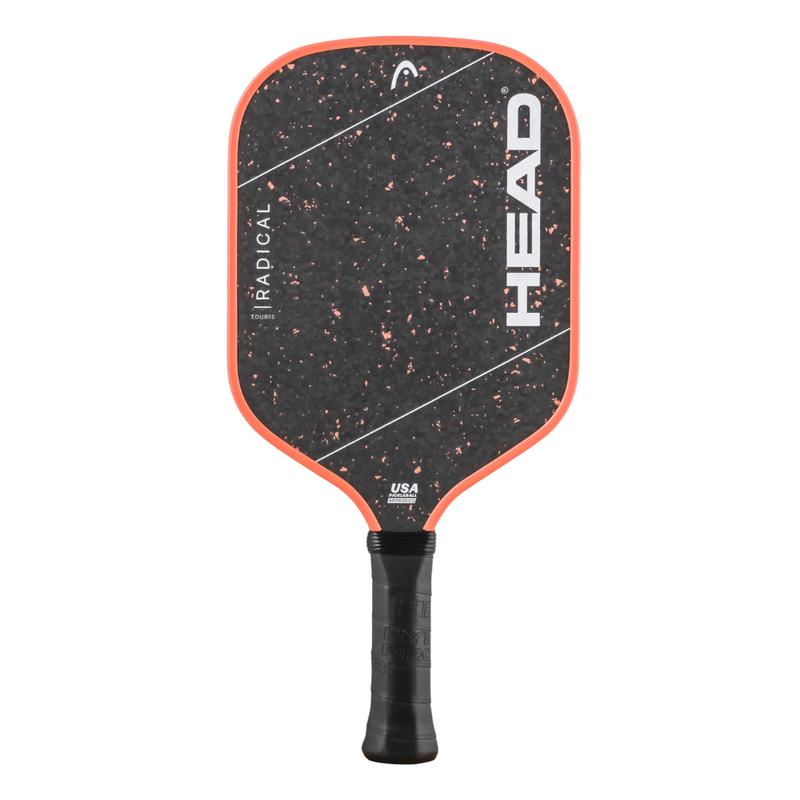
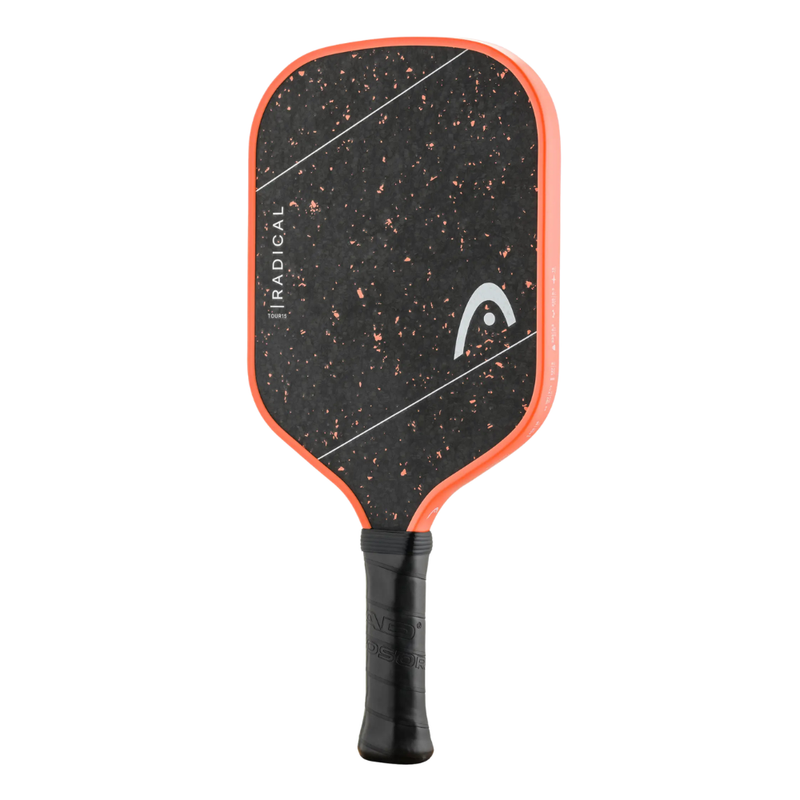
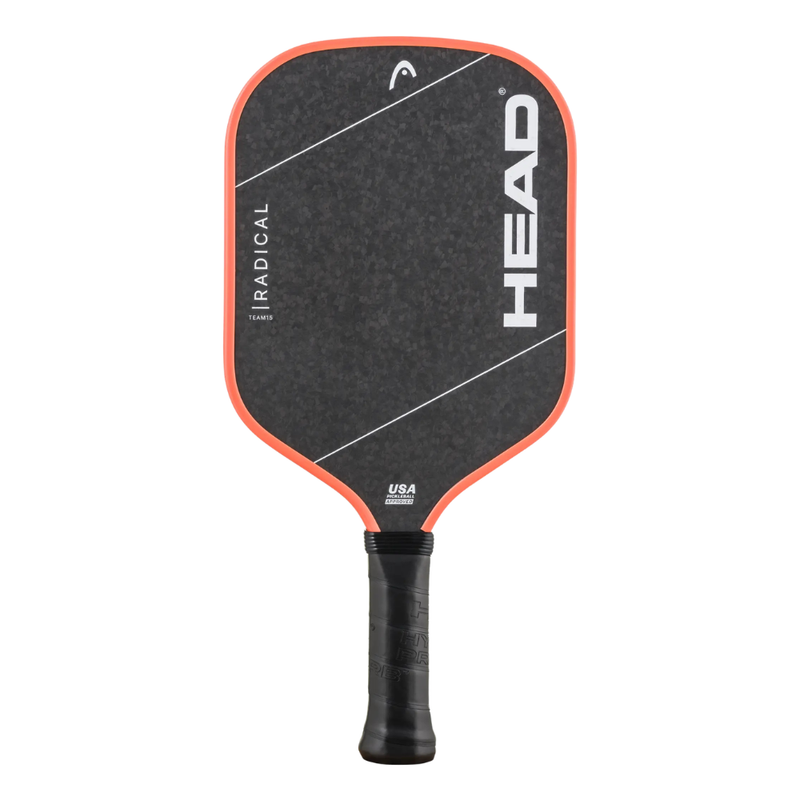
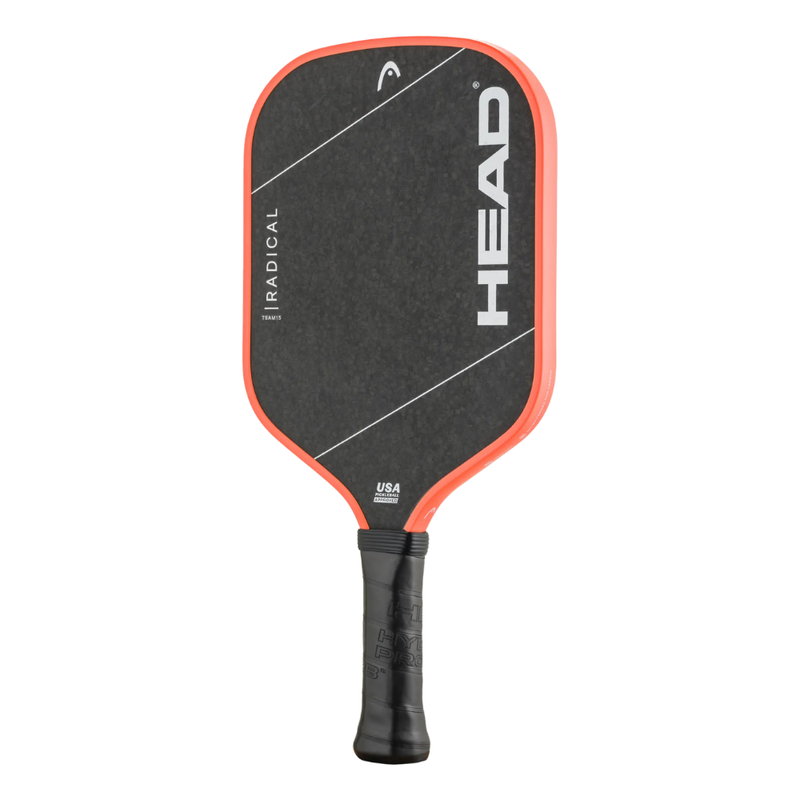
A pickleball racket, or paddle, has a solid face with no strings or perforations and is used to hit a perforated plastic ball. Pickleball is played in singles or doubles on a court the size of a badminton doubles court. Explore pickleball rackets from Head, Nox, Wilson and Tecnifibre, indoor and outdoor balls, portable nets and care accessories here.
How do you choose a pickleball racket?
Choose a paddle first by weight, then by its hitting surface and core thickness. These three factors determine the balance between power and control.
Most rackets weigh between 210 and 240 g. A light racket is quick to manoeuvre at the net and puts less strain on your arm. A heavier racket gives you more power from the back of the court but requires cleaner technique.
The hitting surface changes how the racket feels. Fibreglass sends the ball back faster and is more forgiving of off-centre hits. Carbon offers more feel and grips the ball better to generate spin.
The core, often made of honeycomb polypropylene, comes in different thicknesses. A thin core, around 13 mm, makes the racket more responsive. A thick core, around 16 mm, enlarges the sweet spot and improves stability.
Just starting out together? A rackets + balls pack lets you get equipped in one order before moving on to a more technical model.
Which pickleball ball should you choose: indoor or outdoor?
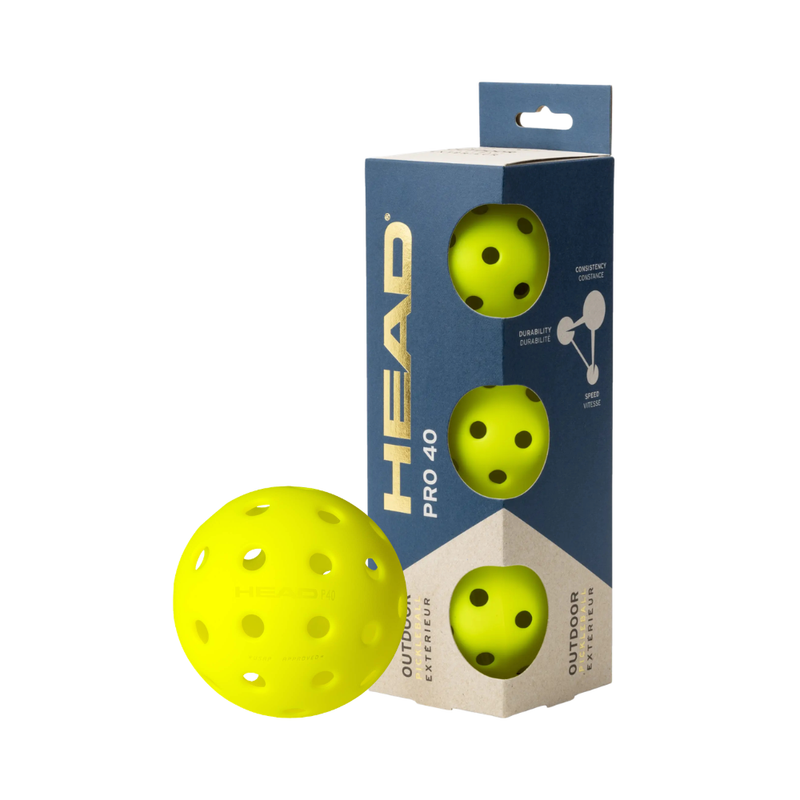
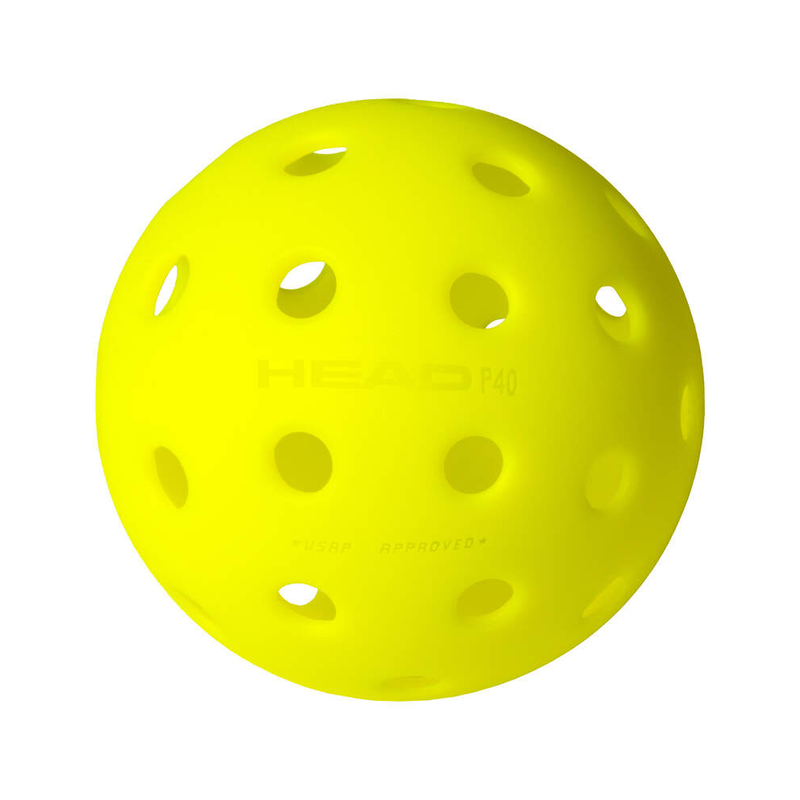
Choose a pickleball ball to suit the court. An indoor ball is softer and has larger holes: it bounces consistently on a sports hall floor. An outdoor ball is harder and has smaller holes: it stands up better to wind and rough surfaces.
Compare Head and Wilson pickleball balls for where you play. Bring several balls to each session, as outdoor balls eventually crack on concrete.
What equipment do you need to set up a pickleball court?
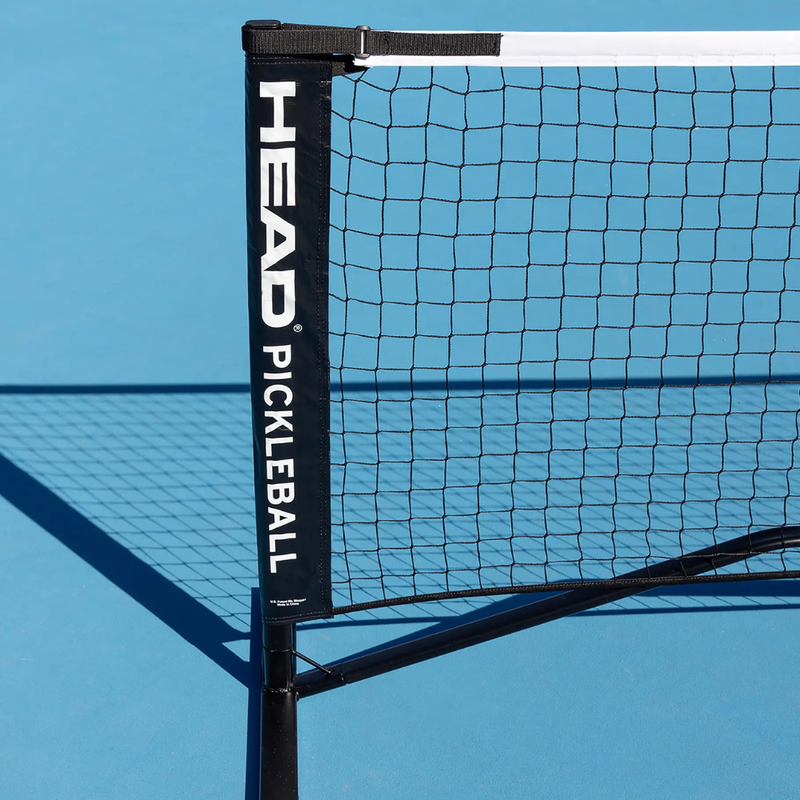
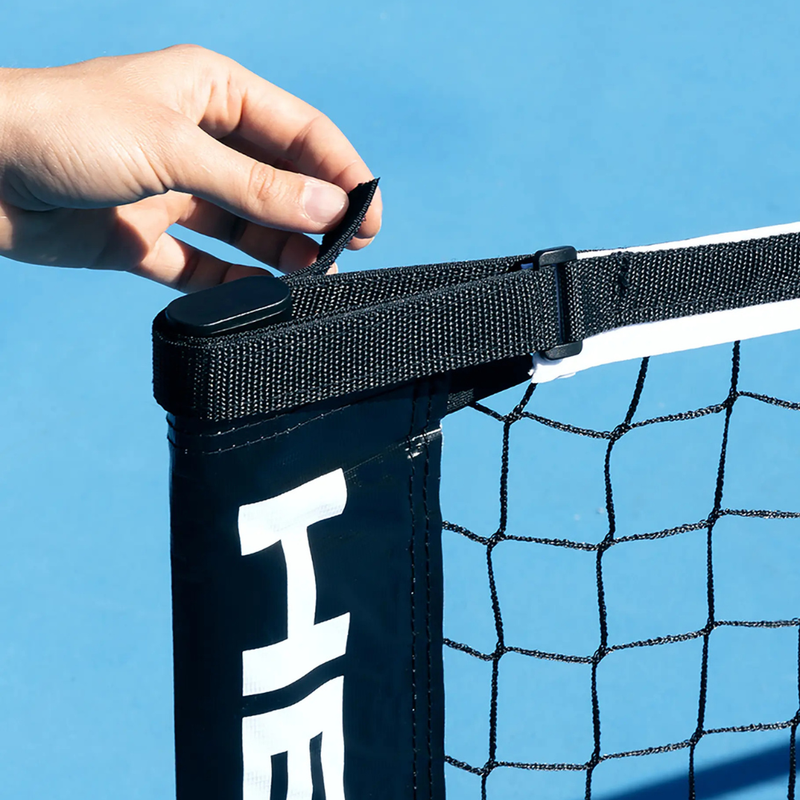
A pickleball court measures 13.41 m by 6.10 m, with a net height of 91.4 cm at the posts and 86.4 cm in the centre. A portable Head or Nox net is all you need to turn a tennis court, car park or sports hall into a playing area.
| Equipment | What to look for | Useful guide | Available brands |
|---|---|---|---|
| Racket | Weight and face | 210 to 240 g, fibreglass or carbon | Head, Nox, Wilson, Tecnifibre |
| Indoor ball | Flexibility | Large holes, consistent bounce indoors | Head, Wilson |
| Outdoor ball | Hardness | Small holes, stable in the wind | Head, Wilson |
| Net | Portability and height | 86.4 cm at the centre | Head, Nox |
| Cover | Protection | Helps prevent surface scratches | Wilson |
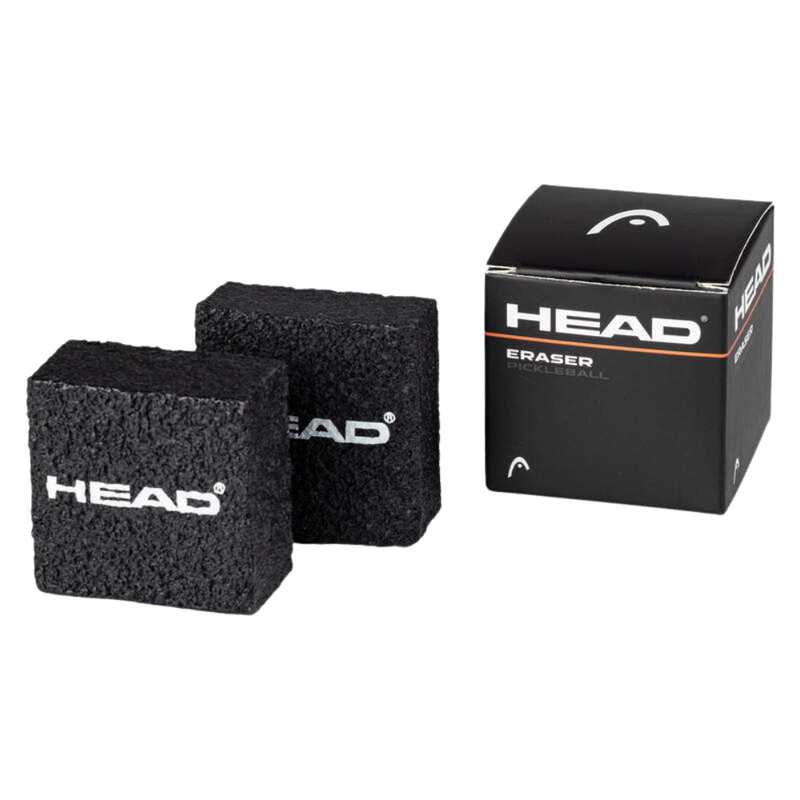
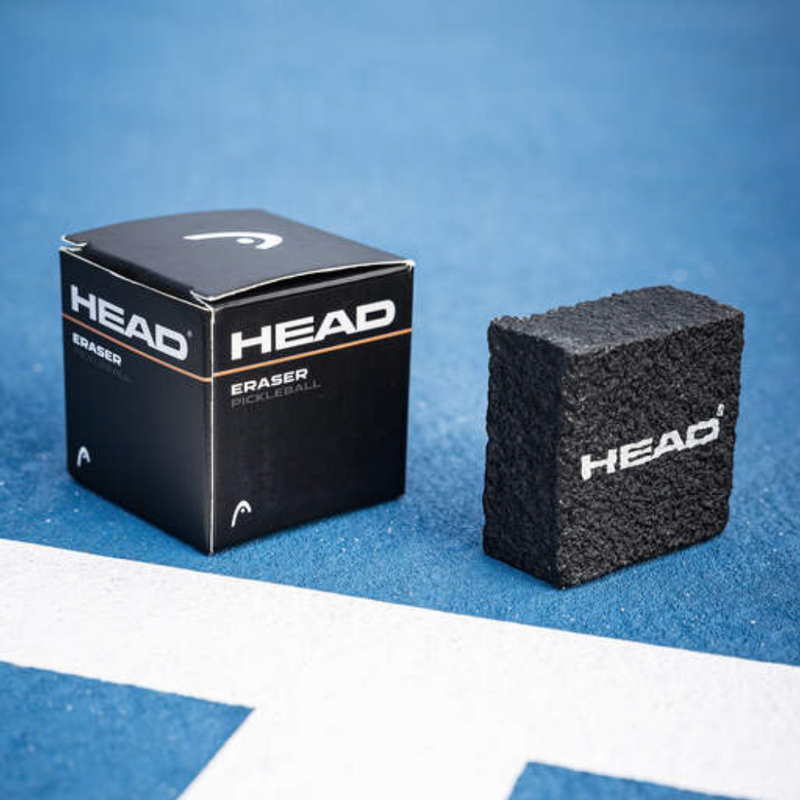
| Cleaning rubber | Care | Removes ball residue | Head |
Expert tip: ball residue builds up on a racket’s face and reduces its surface texture. Use a cleaning rubber after each session to preserve the spin on your shots.
Selection updated in October 2026. Customers rate us [note]/5 across [nb] Google reviews. Free delivery on orders of €80 or more. To learn more about the sport, read our article pickleball rules explained simply and our guide pickleball or padel: what’s the difference?
FAQ
What’s the difference between pickleball and padel?
Pickleball is played with a solid racket and a perforated plastic ball on an open court measuring 13.41 m by 6.10 m. Padel is played with a perforated racket and a pressurised ball in a glass-walled enclosure where the walls are part of the game. Pickleball also prohibits volée in a 2.13 m zone in front of the net, known as the “kitchen”.
Can you play pickleball with a padel racket?
No, a padel racket is not suitable for pickleball. It weighs around 360 g, considerably more than a paddle, and its perforated face does not comply with the rules. In competition, only approved pickleball rackets are permitted. For recreational play, a dedicated racket is also easier to handle and more precise.
What weight pickleball racket should a beginner choose?
For beginners, a medium-weight paddle between 220 and 230 g offers the best compromise. It remains easy to handle during fast exchanges at the net and provides enough power for serves. Pair it with a fibreglass face, which is more forgiving when the ball hits away from the centre of the racket.
Which pickleball racket should a padel or tennis player choose?
A padel or tennis player can choose a more technical racket from the outset. A carbon face and thin core will give them the feel and spin they already know. The stroke is similar, but the ball travels more slowly: positioning matters more than power. Play padel too? Find your model with El Selector, the padel racket selection guide.
Which pickleball ball should you use indoors?
Indoors, use an indoor pickleball ball, which is softer and has larger holes. It bounces consistently on wooden or synthetic flooring and makes less noise on impact. A harder outdoor ball would tend to travel too fast on a smooth floor, making rallies difficult to control.
Our products