FIND YOUR RACKET
 COMPARE MODELS
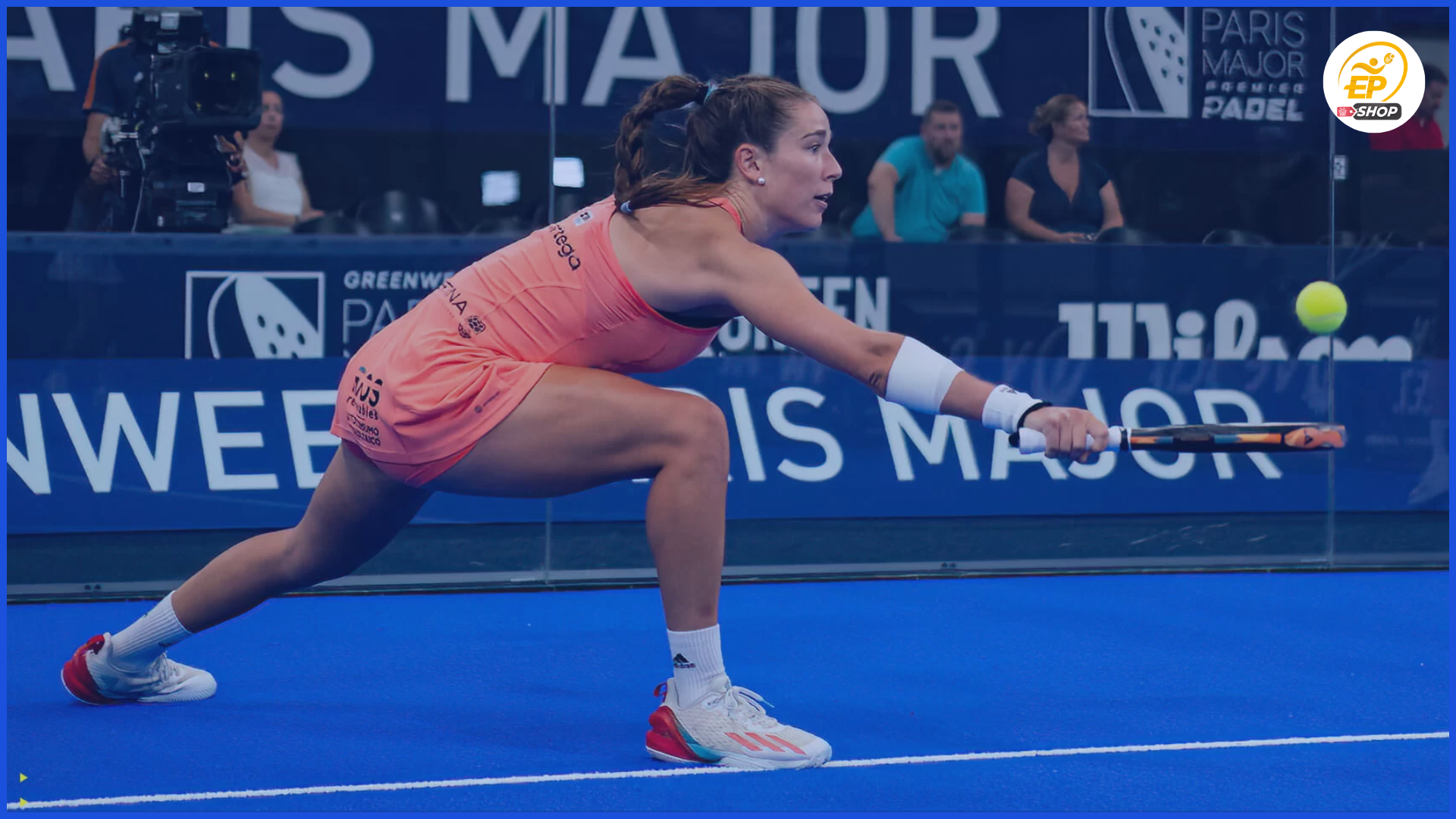
Timing in padel is that precise moment when your racket makes contact with the ball. Too early or too late, and you lose control, power or accuracy. With rebounds off the glass, varying trajectories and the increasing pace of rallies, knowing how to master this timing becomes a major asset to win points and improve in this sport.
1. Contact timing: get into position at the right moment
In most racket sports, the goal is to hit the ball in the sweet spot. In padel, it is even more crucial.
-
Too early: the ball comes off without power and risks going out.
-
Too late: the shot loses control and you end up on the back foot in the rally.
Good timing means preparing your racket early, waiting for the ideal moment when the ball is at a comfortable height and staying steady on your feet with the help of suitable padel shoes.
2. Waiting for the bounce: your tactical ally
Unlike tennis, padel allows and encourages the use of the walls. Waiting for the bounce off the glass is a defensive padel technique that gives you more time to adjust your shot.
-
When your opponent plays a lob: let the ball hit the back wall before playing a controlled backhand.
-
In defence: the "off-the-wall return" is a weapon to break the rhythm and neutralise your opponent's power.
This tactical choice requires composure, but it allows you to turn a difficult ball into an opportunity.
3. Late preparation: when timing becomes a bluff
A controlled late preparation is a psychological weapon. It disguises your intentions and forces your opponent to wait until the very last second.
Example: prepare as though for a padel smash, then play a bandeja or a sliced ball instead. This change in timing disrupts your opponents’ positioning and creates spaces to exploit.
4. Timing and coordination in doubles
In padel, you play as a team: it is impossible to neglect synchronisation with your partner.
-
Moving forwards and backwards together prevents leaving the middle exposed.
-
Timing your volleys well lets you put opponents under pressure without getting in each other’s way.
-
Calling "mine" or "leave it" at the right moment avoids collisions and preserves the pair's effectiveness.
A team that manages its collective timing often wins against a technically superior but disorganised pair.
5. Working on timing in training
Timing is not innate; it is built through specific drills.
-
Rebonds contre mur: repeat séries to learn how to read the trajectory after vitre.
-
Pace variations: alternate between slow and fast rallies to learn how to adapt your shots.
-
Targeted drills: one player feeds deep balls, the other must wait for the bounce before hitting.
-
Match situations: work on your movement and anticipation in real conditions.
Tip: to improve faster, combine drills with matches against more experienced players. You will learn to adjust your timing to higher ball speeds.
6. Timing on serve and smash
Timing in padel: tips to manage the bounce and improve
-
The serve must be hit underarm after the ball bounces on the ground. Hitting it too early or too late reduces accuracy. Timing your stroke with the bounce is essential.
-
An effective smash depends as much on power as on timing. Too early, and you hit too low; too late, and you lose your balance. The secret is to wait until the ball reaches its optimal height before accelerating.
Working on these two shots during your training sessions will help you progress faster in managing your contact timing.
7. Why timing transforms your game
Improving your timing means:
-
Reduce unforced errors and keep more balls in play
-
Gain reaction time against fast opponents
-
Better exploit the walls and rebounds to surprise your opponents
-
Adopt a balanced tactic between attack and defence
It is a key skill to progress from beginner to intermediate level, and then aim for competition in FFT or FIP tournaments.
Timing in padel is much more than a technical detail: it is a skill that makes the difference between a lost rally and a won point. Whether you are defending a smash, preparing a serve or coordinating with your partner, mastering the right contact point governs your performance.
With regular practice, a padel racket suited to your playing style and a good understanding of the rules of padel, you’ll improve quickly and enjoy yourself more on the court.