FIND YOUR RACKET
 COMPARE MODELS
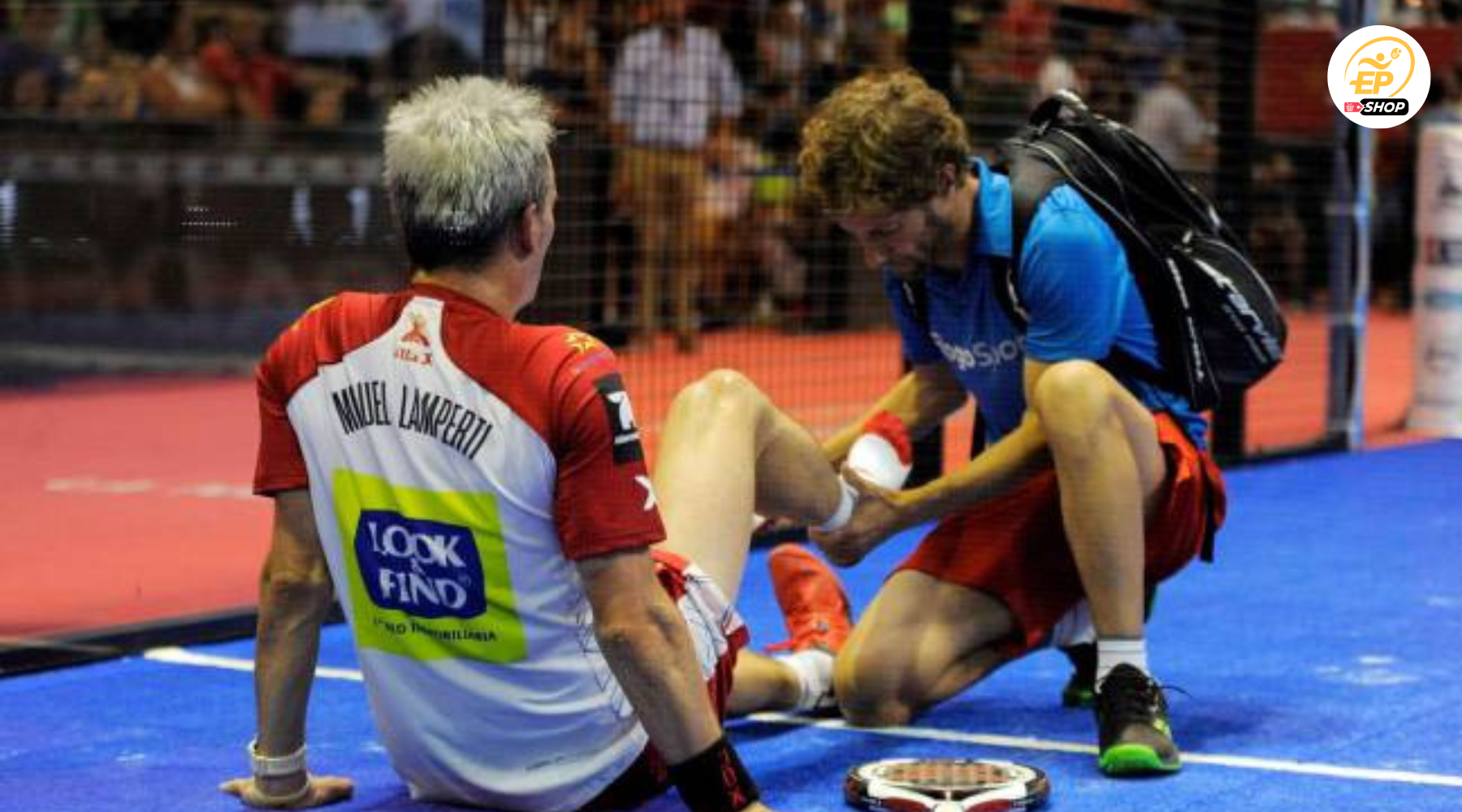
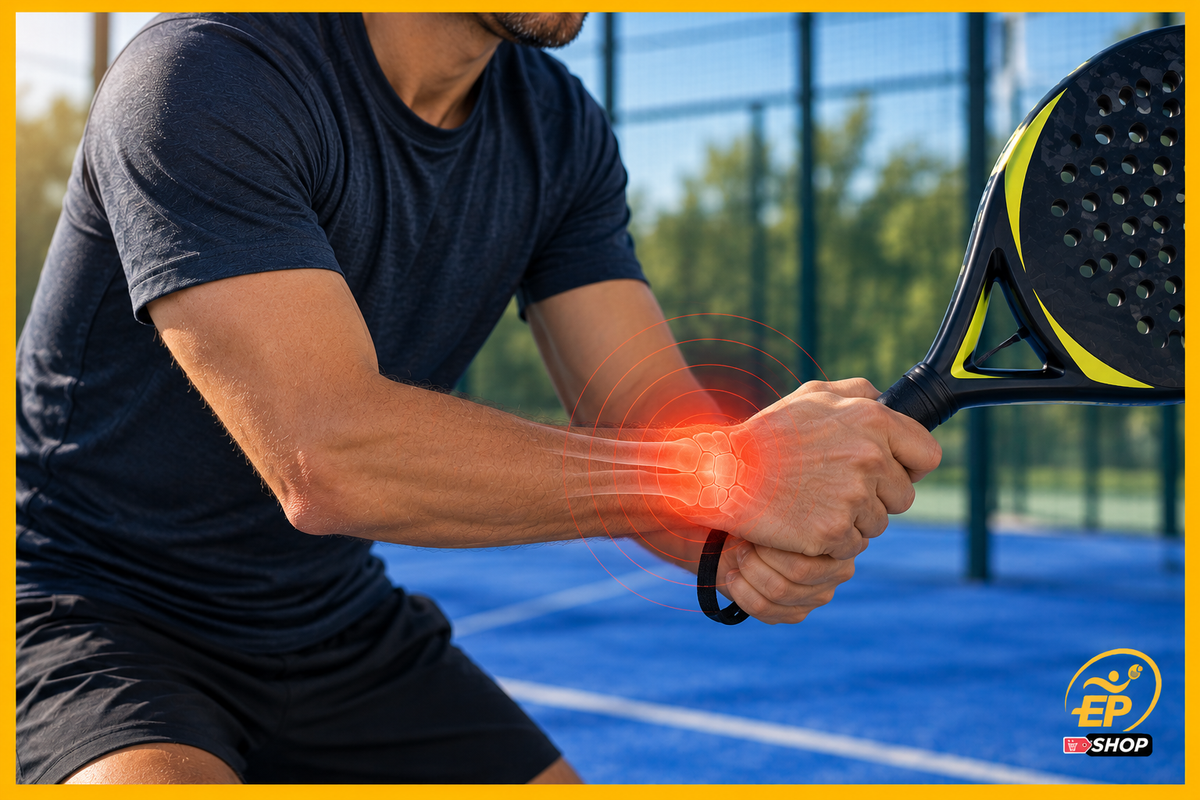
If you are here, it is probably because you think, like us, that padel is a thrilling sport! But like any racket sport, it is not without risks. Padel injuries are frequent, especially among amateurs who, out of enthusiasm or lack of physical conditioning, may overlook certain essential precautions.
In this article, we will review the most common injuries, how to prevent them, treat them, and promote optimal recovery.
The most common padel injuries
Although padel is generally considered less traumatic than other sports, certain repetitive and sudden movements can lead to injuries, especially if the player is not properly prepared. Here is an overview of the most common injuries.
Epicondylitis (tennis elbow)
Epicondylitis, commonly known as tennis elbow, is undoubtedly the most common injury among padel players. It occurs as a result of overuse of the forearm muscles and tendons, particularly during powerful hits of the ball.
- Symptoms : Localised pain around the elbow, which can spread to the forearm and wrist. The pain is usually more intense when gripping objects or performing repetitive movements.
- Prevention : To avoid this injury, it is advisable to choose an appropriate racket with a low balance, to strengthen the forearm muscles, and to avoid gripping the racket handle too tightly.
- Treatment : Rest is crucial, accompanied by specific stretching and strengthening exercises. Applying ice can also help reduce inflammation. In more severe cases, medical intervention may be required.
Ankle sprain
Rapid lateral movements and sudden changes of direction make ankle sprains very common in padel. A poorly warmed-up or tired ankle is more likely to suffer this type of trauma.
- Symptoms : Immediate pain, swelling, and sometimes an inability to put weight on the foot.
- Prevention : Wearing padel shoes with good ankle support is essential. A targeted warm-up of the joints and good physical preparation can also help reduce risks.
- Treatment : In the event of a sprain, it is important to apply the RICE method (Rest, Ice, Compression, Elevation) within the first hours. Depending on the severity of the sprain, specific rehabilitation may be necessary.
Lower back pain
Lower back pain or lumbago is frequent among padel players, often caused by repeated twisting movements or poor posture during play.
- Symptoms : Pain in the lumbar region, aggravated by movement or prolonged sitting.
- Prevention : Proper muscle strengthening of the back and core is essential to prevent lower back pain. Correct posture and appropriate technical movements on court can also reduce pressure on the back.
- Treatment : Rest and gentle stretching exercises are recommended. If pain persists, it is important to consult a healthcare professional for an accurate diagnosis and appropriate treatment.
Achilles tendinitis
Achilles tendinitis is a common injury among padel players, due to repeated exertion and rapid changes of direction that put strain on the Achilles tendon.
- Symptoms : Pain at the back of the ankle, which worsens during running or jumping.
- Prevention : Regular calf muscle stretches, an adequate padel warm-up, and wearing suitable shoes are essential to prevent this injury.
- Treatment : Resting the tendon is paramount. Cold therapy, anti-inflammatories, and physiotherapy sessions may also be required to facilitate healing.
How to prevent padel injuries?
Prevention is key to minimising the risk of injuries in padel. Adopting healthy habits before, during, and after exertion allows you to play longer while protecting your body.
Warming up properly
A thorough warm-up is essential before every padel match, even more so when playing padel in winter and in cold weather. It helps prepare muscles and joints for exertion, thereby increasing blood circulation and flexibility.
A few minutes of light cardiovascular exercise like running or skipping rope can be followed by dynamic stretches, particularly for the legs, back, and arms.
Discover here a more detailed article on stretching in padel if you want to know how to proceed for each muscle group.
Strengthening muscles
To reduce the risk of injuries, it is important to strengthen the muscles most heavily used during play, such as the quadriceps, hamstrings, calves, abdominals, shoulders, and wrists.
A regular strength training programme, combined with flexibility exercises, not only improves performance but also helps to prevent injuries.
Using suitable equipment
Choosing the right equipment plays a crucial role in injury prevention. One of the common mistakes when starting padel is using unsuitable equipment, such as shoes designed for another sport. A well-balanced racket, shoes offering good support and optimal comfort, as well as accessories such as wrist bandages or overgrips, can make all the difference.
Above all, do not neglect your shoes! They must offer good cushioning to protect the ankles and knees.
Taking care of your body
Listening to your body is essential to prevent injuries. In case of fatigue or discomfort, it is important to take time to rest and recover. Muscle recovery after exertion, with stretching and good hydration, plays a crucial role in avoiding long-term injuries. Suitable padel clothing during training sessions and matches is important, but do not forget to wrap up warm once you leave the court.
Tennis and padel: the same injuries?
We know that both sports share similarities, but are the injury risks the same? Indeed, tennis and padel players are both exposed to tennis elbow, tendinitis, and sprains, but padel still has a few specificities:
- Padel is played on a smaller court with walls, requiring shorter and more explosive movements. These rapid shifts increase the risk of injuries to the calves and Achilles tendons.
- Although lower back pain occurs in both sports, torso twisting movements are more frequent in padel due to close-range shots and frequently bent stances, which can trigger back pain.
- Unlike tennis, where the serve is particularly traumatic for the shoulder, the padel serve is less demanding, which reduces the risk of injuries in that area.
In conclusion, padel injuries can happen at any time, but by adopting preventive habits and listening to your body, it is possible to minimise the risks.
A good warm-up, muscle strengthening exercises, suitable equipment, and adequate recovery are the keys to fully enjoying this sport without taking risks! Do not forget that consulting a specialist in case of injury remains the best option for a quick and safe return to the court.