FIND YOUR RACKET
 COMPARE MODELS
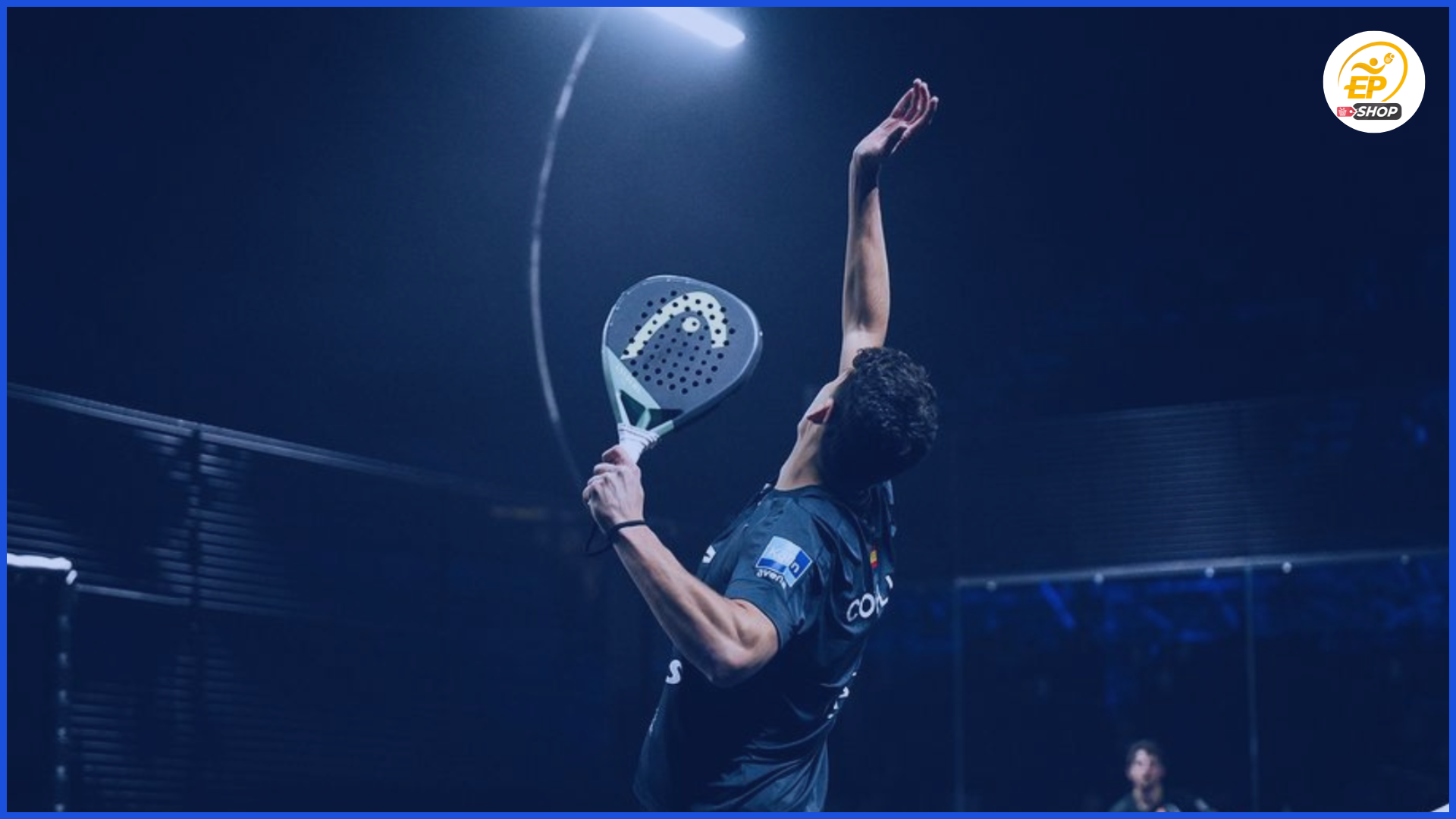
The padel smash is an attacking overhead shot, most often played after a lob, to finish the point by sending the ball down onto the opponent's court. There are several variations: the power smash, the placed smash (topspin or sliced), the por 3 and por 4 smash (which take the ball out of the court), and the defensive smash. The key is not brute force, but positioning, timing, and transferring body weight.
|
Key takeaways • The smash in padel is a decisive shot that can be hit with power or placed with precision depending on the situation. • The par 3 and par 4 smashes are the most spectacular finishing shots, allowing you to hit the ball out of the court. • Technique (positioning, timing, body weight transfer) is more important than raw power. Choosing the right padel racket can make execution easier, especially diamond-shaped models that provide more momentum on the smash. • Practising with targeted drills (topspin, hitting from behind, leg/arm coordination) is essential to progress. • Aim for areas where the opponent isn't: their body, the side mesh, or the double glass; the por 3 smash targets the side glass (3 m). |
Table of contents
• The different types of smash au padel
• How to hit a winning smash: 4 tips for your por 3s
• Hitting a successful smash: don't overlook your gear
• Common smash mistakes
• Frequently asked questions
In padel, few shots deliver as much satisfaction as a successful smash. Whether finishing a rally with power, surprising your opponents with pinpoint placement, or sending the ball out of the court with a spectacular por 3, the smash is one of the most iconic shots in the sport.
Be careful though: unlike tennis, the presence of glass walls and the smaller court size make the smash more technical than it seems. Power, spin, timing, and tactical choices must be balanced to turn this shot into a formidable weapon.
The different types of smash au padel
In padel, the smash is not just one single shot: there are several variations, each suited to a specific match situation. Knowing how to distinguish them and use them at the right moment is essential to improve and keep opponents guessing.
The power smash
It's the natural reflex: hit hard overhead to finish the point. When well executed, it can be devastating, especially if the ball rebounds high enough or leaves the court on a por 3 or por 4.
-
Advantage: fast, spectacular finishing shot
-
Drawback: risky if the ball is hit off-centre or struck too hard without spin (the opponent can return it easily)
The placed smash
Less risky than the power smash, it relies on precision and spin. The goal is to play where the opponent is not, placing the ball with slice or topspin.
-
The topspin smash creates an upward trajectory that promotes a high rebound and can force the error.
-
The sliced smash offers more control; the ball stays low and becomes difficult to lift.
Best used when you are not in an ideal position to hit hard.
The por 3 smash (x3)
The famous finishing shot where the ball leaves the court over the side, where the glass reaches 3 metres in height. To succeed:
-
Hit with topspin so the ball kicks up high after the rebound
-
Move into the ball to transfer your body weight
-
Pick your moment well → no point attempting this shot unless you are 90% sure to hit the ball out
It is one of the most spectacular shots and a crowd favourite.
The por 4 smash (x4)
Even more impressive than the por 3, the por 4 smash consists of sending the ball out over the back wall, over the 4-metre glass. It requires perfect power and technique:
-
High contact point
-
Strong weight transfer
-
Impeccable timing
It is a formidable weapon for professional players, but harder to execute for amateurs
The defensive smash
When you are lobbed and moving backwards, you are not always in a position to attack. In this case, a defensive or recovery smash simply lets you return the ball safely. The aim is to target the opponent's backcourt or the glass, controlling the height to avoid giving away an attacking ball.
Bandeja and víbora (the smash's cousins)
Technically, the bandeja and víbora are not smashes, but intermediate overhead shots. They are worth mentioning as they are often used to handle lobs without taking too much risk.
• The bandeja: a slower, more controlled shot with slice, used to stay at the net.
• The víbora: more aggressive, with sidespin, to put the opponent in difficulty. To go further, here is the difference between the bandeja and the víbora.
How to hit a winning smash: 4 tips for your por 3s
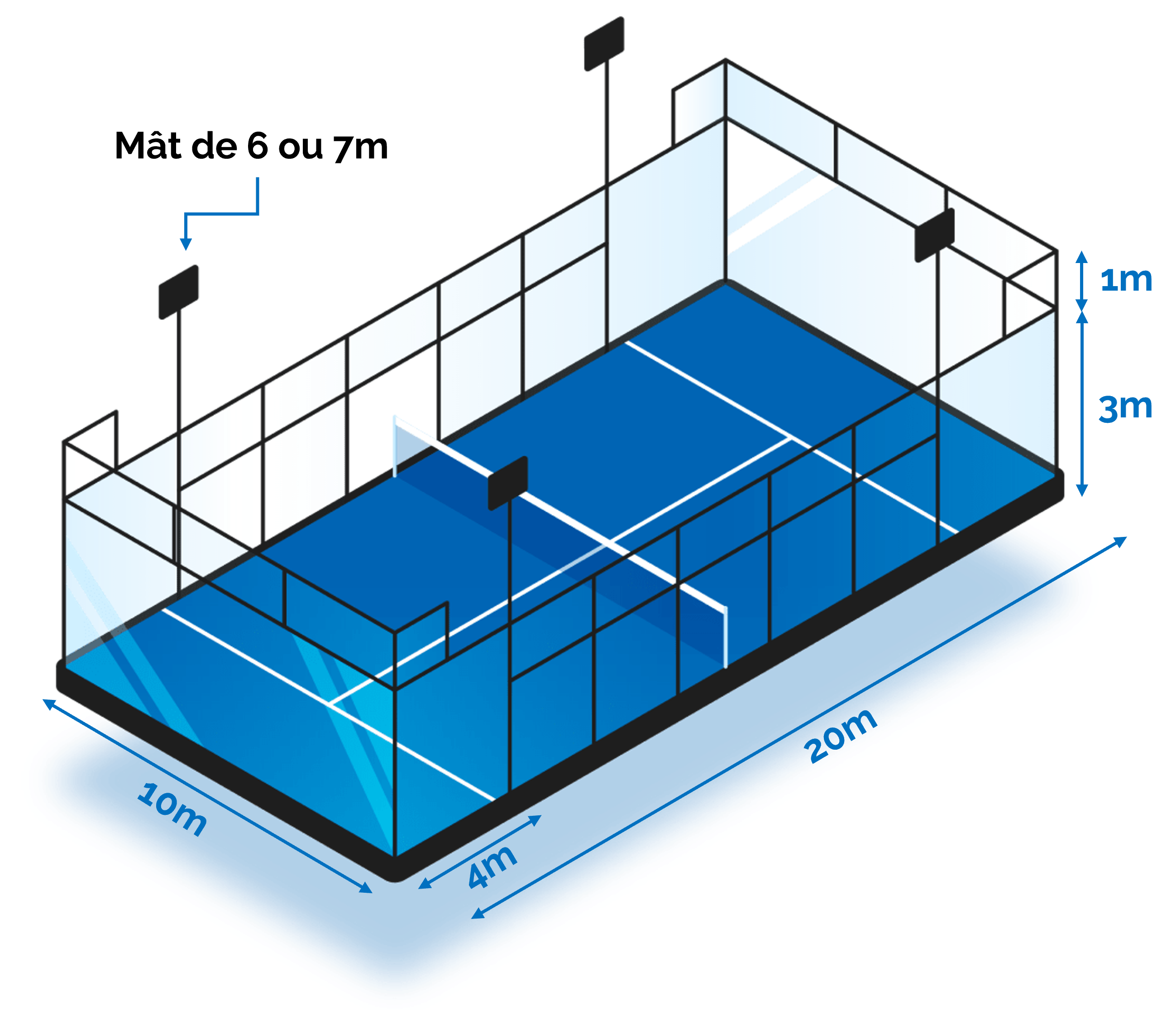
The "por 3" or "x3" smash is an out-of-court smash on a padel court. But not just any out-of-court smash: the one that exits over the side of the court. It is called "por 3" because the ball leaves over one of the two sides of the court where the wall is 3 metres high. The goal is to bounce the ball off the back glass to send it out over the side. This finishing smash is different from the bandeja and the víbora. Put like that, it sounds simple, but it requires real technique.
1. Use topspin
• to make the ball kick off the glass. It is thanks to this spin that the ball will be able to leave the court. You can practise wrapping around the ball with your wrist to increase the spin.
2. Take the ball slightly behind you while moving forward
• Position yourself in front of the ball to take it slightly behind you. Transferring body weight forward = more power and ball depth.
3. Use the right racket
• It's easier with a diamond or teardrop racket than with a round racket. But beware: without good technique, no powerful racket will save your smash.
4. Don't be too greedy
• Being overly ambitious often leads to hitting too hard or from too far back, offering an easy ball to the opponent. Tip: only attempt a por 3 when you are 90% sure to get the ball out.
Hitting a successful smash: don't overlook your gear
The racket doesn't make the player, but certain models can help. Diamond rackets provide more momentum for overhead shots. Some manufacturers like Adidas offer clip-on weights to increase power and explosiveness.
Common smash mistakes
A smash rarely fails from a lack of power: it fails from poor positioning or timing. Here are the most common mistakes to correct first.
• Losing your balance: hitting while moving backwards or with your feet off the ground reduces power and accuracy. Get back under the ball before hitting.
• Hitting too early or too late: poor timing sends the ball into the net or too long. Let it drop into your ideal strike zone, slightly in front of you.
• Aiming without intention: smashing into the middle at a ready opponent invites a counter-attack. Instead, aim for their body, the side mesh, or the double glass.
• Relying solely on power: a well-placed topspin or sliced smash is often more effective than an off-centre cannonball.
• Neglecting the grip: a continental ("hammer") grip makes it easier to add spin and maintain consistency on overhead shots.
A simple exercise to improve: practise smashing against the back glass while working on topspin, until the ball kicks higher and higher. This is the foundation of the por 3.
Frequently asked questions
How to hit a smash properly in padel?
Get under the ball, bend your knees, and bring the racket behind your head. Strike at the highest point, slightly in front of you, transferring your body weight forward. Focus first on proper timing and placement: power comes next, once the motion is mastered.
What is a por 3 smash in padel?
It is a finishing smash that sends the ball out of the court over the side, where the glass is 3 metres high. You hit it with topspin so the ball kicks off the back glass and flies out of the court. Spectacular, but only to be attempted when you are almost certain to succeed.
Which racket is best for smashing?
Diamond-shaped or teardrop-shaped rackets, with head-heavy balance, provide more momentum and power overhead. They are ideal for smashing, but slightly more demanding to control. Without good technique, no racket will do the work for you.
What is the difference between a smash and a bandeja?
The smash is an attacking shot hit hard to finish the point. The bandeja is a slower, sliced shot played overhead to maintain net position without taking risks. You play a bandeja when the opponent's lob is too deep to smash safely.
How to improve your smash as a beginner?
Start with positioning: always get right under the ball. Work on timing with controlled smashes before looking for power, and practise topspin against the back glass. Then vary between power, placed, and por 3 shots to become unpredictable. Our tips to improve at padel complement this work well.
Summary
The smash is the signature shot in padel: first master your positioning and timing, then vary between powerful, placed, por 3, and por 4 depending on the situation. Paired with the right racket, it becomes a true weapon. To expand your range, also explore the 7 padel techniques to improve.
|
Want to smash harder? Discover our diamond rackets on Esprit Padel Shop |