FIND YOUR RACKET
 COMPARE MODELS
Maximise your padel performance through physical preparation
Good physical preparation is the best ally for continuing to improve your padel level; do not put limits on your learning.
If you have been playing padel for some time, whether by playing matches from time to time or taking part in competitions, you probably aim to continue improving your technique. In this case, our most sincere advice is that good physical preparation is the key to continuing to raise your level in padel. Of course, feel free to take another tour of the page with the best tips for improving at padel!
In this article, we will even recommend a few exercises that you can do in the gym and that are designed to improve your physical preparation specifically for playing padel.
The physical demands specific to padel
The physical qualities needed to be a good padel player
Padel is a sport that combines several physical demands in order to perform well on court. The player must demonstrate explosive strength, great responsiveness, coordination, agility, flexibility and motor anticipation. Based on this observation, it is strongly recommended that a padel player follow a specific physical preparation programme in order to achieve the best results.
The risk of injury
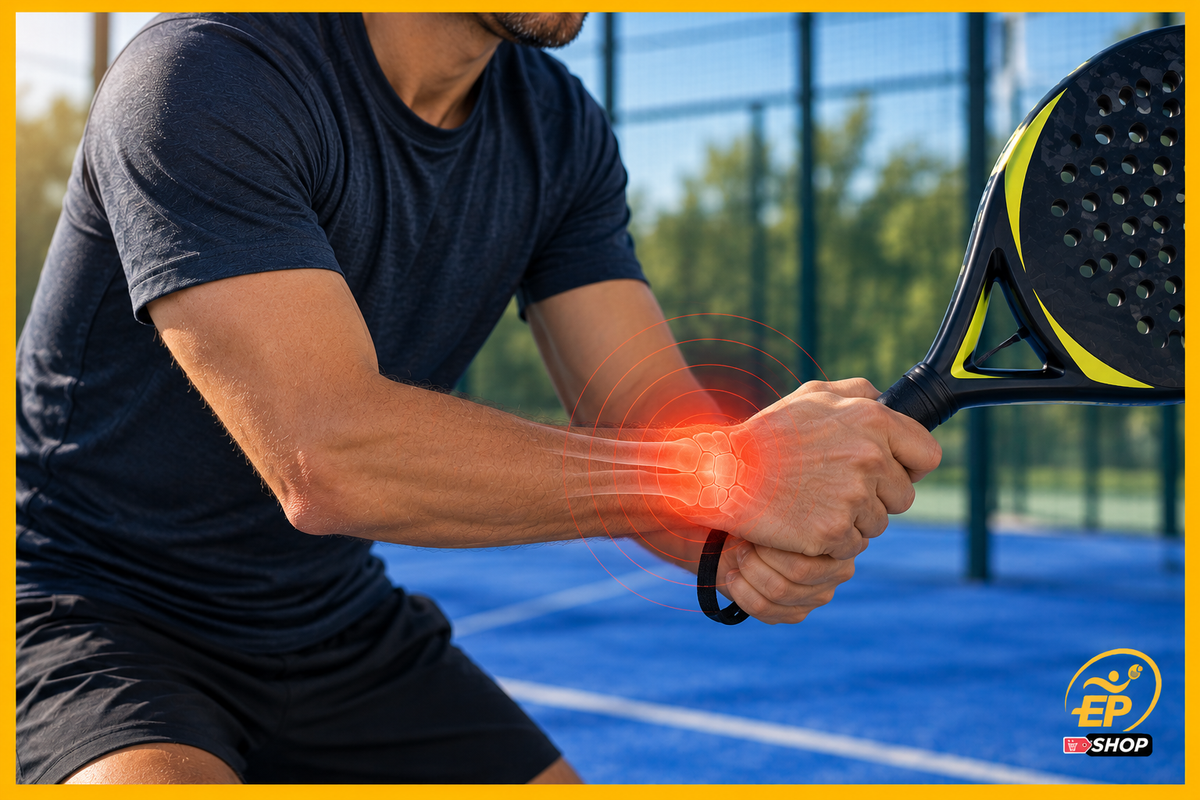
Another benefit of physical preparation is that it can help prevent potential injuries resulting from playing, such as pain in the shoulder, hip, knee or ankle. Good physical preparation will allow you to extend your sporting life, target the weakest areas of your body and increase your self-confidence and therefore your mental strength.
Developing a physical preparation programme for padel
Areas to work on during your physical preparation
If you belong to a club, you can speak to one of the coaches, who will help you develop a physical preparation programme focused on the areas you need to work on.
If you want to take charge of your own sporting destiny, we will summarise the areas to work on off court for optimal progress.
First of all, you should gradually improve your aerobic endurance to better manage your breathing in padel, while strengthening the muscles in your legs and upper body. The most common way to develop aerobic endurance is jogging, although beginners can start with brisk walking if they are less athletic.
We also recommend paying particular attention to strengthening the abdominal and lower back muscles, in order to avoid pain around the waist and back, which can quickly occur in players who are not in good physical shape.
All this will be accompanied by solid general stretching work to increase flexibility. Specialists also recommend gradually introducing speed work to try to improve agility, coordination, balance, etc.
The best exercises for physical preparation in padel
Take a look at the Fitpadel programme
In recent years, a new concept has emerged around playing padel: Fitpadel. It is in fact a specific physical conditioning programme designed for padel players, which also aims to compensate for the asymmetry associated with playing this sport.
It is a set of exercises and training sessions adapted to the specific needs of padel to improve overall physical condition as well as the technical and tactical skills needed for padel.
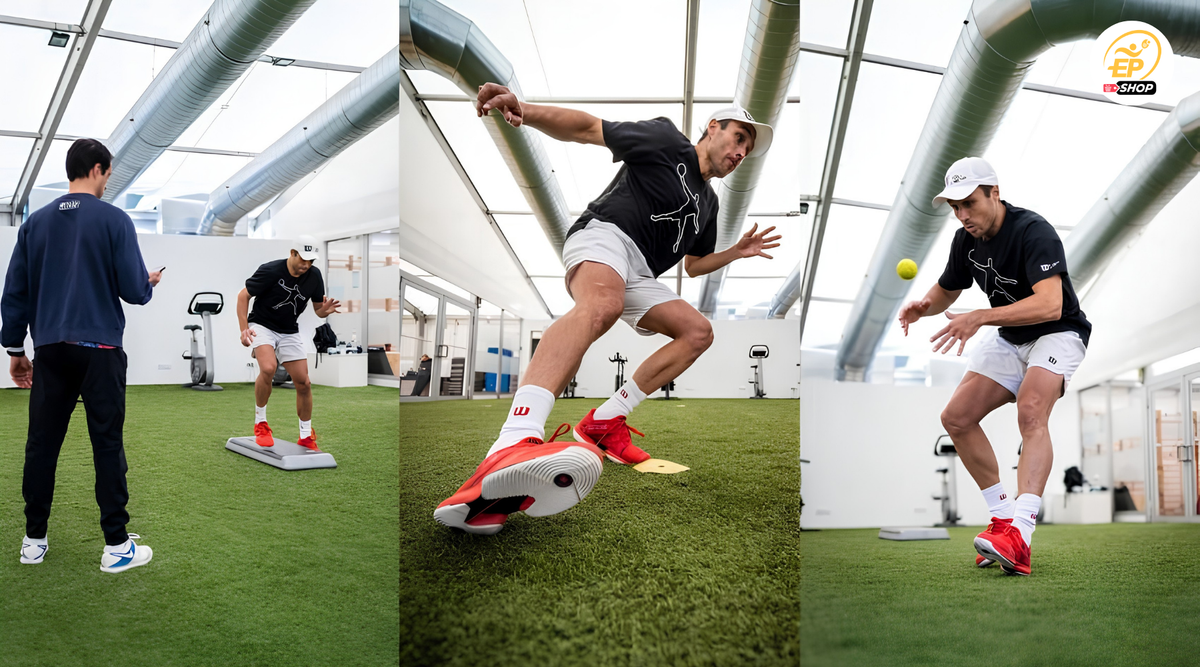
This programme includes muscle-strengthening, cardio and flexibility exercises, as well as specific exercises to improve the responsiveness, agility and coordination needed on court, to perfect your smashes and your padel serves.
Beneficial exercises for padel
More generally, here are some beneficial exercises that you can include in your physical preparation for padel:
- Cardio and Endurance: Running, cycling, interval training to improve cardiorespiratory endurance
- Muscle strengthening: Squats, lunges, exercises to strengthen the quadriceps, hamstrings, calves, abdominal muscles and back muscles to improve strength and stability.
- Responsiveness exercises: Training with resistance bands to improve the responsiveness of the legs and arms, thereby promoting quick and precise movements.
- Coordination and agility training: Jumping, lateral movement and balance exercises to improve hand-eye coordination and responsiveness to changes of direction.
- Stretching and Flexibility: Dynamic stretches to improve the flexibility of the lower and upper limbs, essential for quick, wide-ranging movements.
Nutrition and hydration for padel performance
Nutrition plays a key role in padel performance. With the varying intensity of play, carbohydrates and fast energy systems are essential. To maintain performance, there are nutritionists' recommendations regarding intake during play: 30 g of carbohydrates per hour for short matches and up to 60 g for long matches (more than 2 hours). Before competitions, an intake of 7 to 10 g of carbohydrates per kilogram per day is recommended.
Hydration is also crucial, as players can lose up to 3 litres of sweat per match, affecting their physical, technical and mental performance. Dehydration leads to a loss of more than 1.5% of body weight, impairing thermal regulation and depleting glycogen stores, which promotes muscle cramps.
During breaks, you should therefore consume water and drinks rich in carbohydrates and electrolytes. You can also use energy gels, fruit and bars to maintain your energy during the final stages of intense matches.
Recovery and injury prevention
Stretching, sleeping longer, taking a good hot bath and wearing comfortable clothes can be useful remedies for recovering all your strength after an intense match.
The importance of stretching
Stretching is essential not only to avoid injuries, but a good stretching session after a tough workout will help you feel better the next day and avoid stiffness. Remember that it is not enough to stretch your quadriceps a little: you will need to devote between 10 and 20 minutes to it.
Gentle running for recovery
Once your match is over and you have debriefed with your partner, you can spend around 10 minutes jogging gently. This will help you relax your muscles. It is important to run at very low intensity. Do not forget to put on a sweatshirt over your padel clothing if it is a little cold.
Cryotherapy to recover
Using cold after intense exertion is one of the most beneficial techniques for muscle recovery. It is currently widely used by sports professionals because of its major benefits. You can take an ice bath or simply have a cold shower on your legs and the muscles that have been worked the most. Cold improves circulation, promotes waste elimination and reduces inflammation.
Mental recovery after a match
This is one of the most important aspects, especially after losing an important padel match, because if the mind does not recover, it will have a negative influence on the body. Switching off from padel and doing something else can be beneficial to avoid dwelling on mistakes made, for example.