FIND YOUR RACKET
 COMPARE MODELS
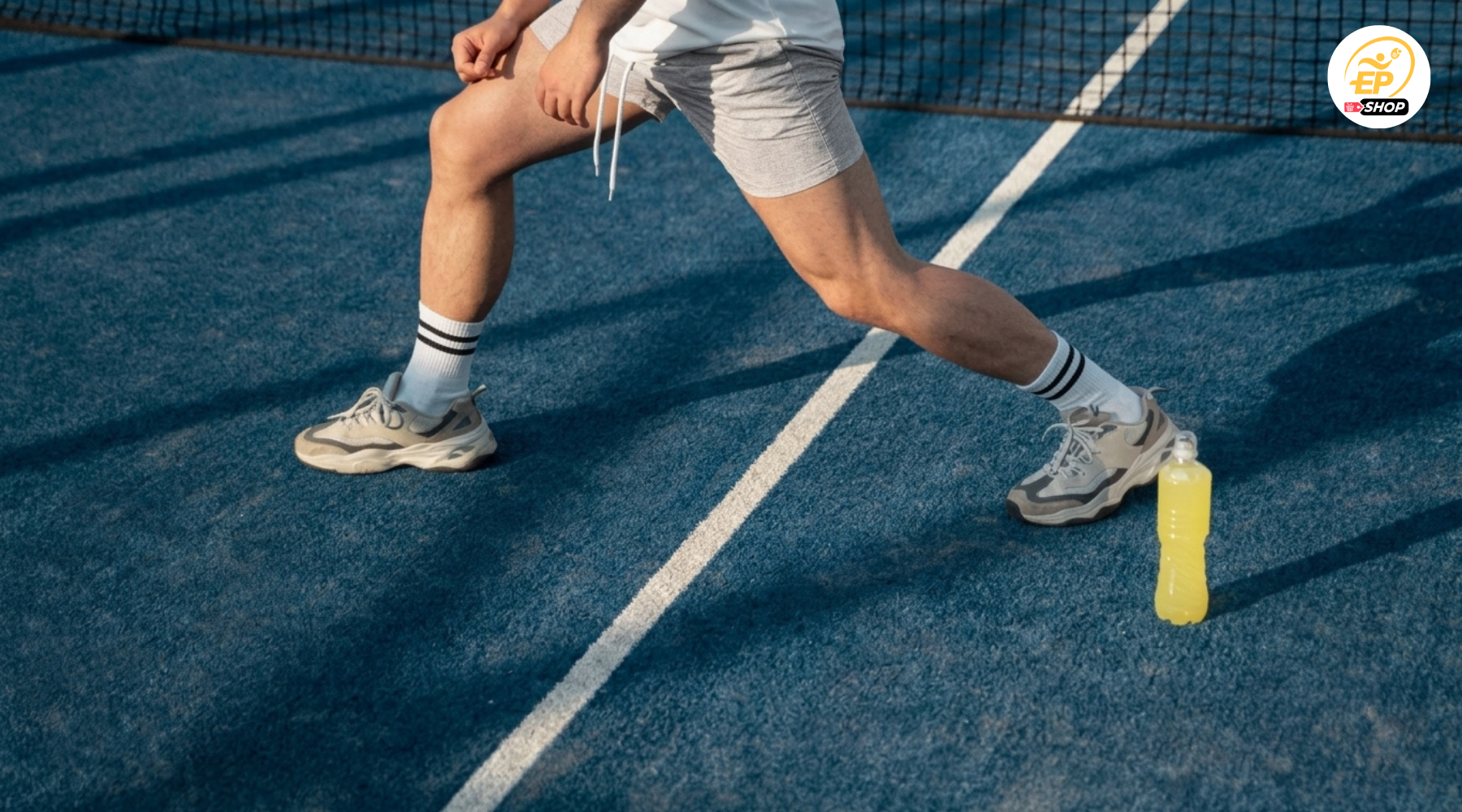
Stretching is always a subject of debate among sportspeople in general, and padel players are no exception. The main reasons are a lack of knowledge, a lack of time and sometimes simply a lack of motivation. Yet stretching is rarely pointless and can help muscles recover faster. So before you start thinking about a post-match drink, a few minutes of stretching could do you good, especially in the long run.
Padel-specific stretching techniques
The main stretches in padel revolve around 3 muscle groups that are frequently used during play. These are often the muscle groups you need to work on to make them more flexible, but also to get them oxygenated and shorten recovery time.
The iliopsoas
Behind this slightly unusual name lies a muscle located near the hip, around the lumbar curve, which ends in the lower back. It allows the hip to flex and move. Extremely useful in everyday life but especially in padel where rotations are frequent, you will gain flexibility if you stretch it often. What's more, it is quite easy to do.
Adidas and Marta Ortega offer us stretching examples to help you perform them better.

The adductors
As in many sports, the adductors are essential for movement. Whether for standing starts, potential lunges to retrieve a ball, or simply during intense short-distance sprints, it is possible to pull or strain the muscle if it is not flexible enough. That is why it is important to stretch it both before and after matches.
Here is a simple stretch that will help you take good care of your adductor.

Hand extension
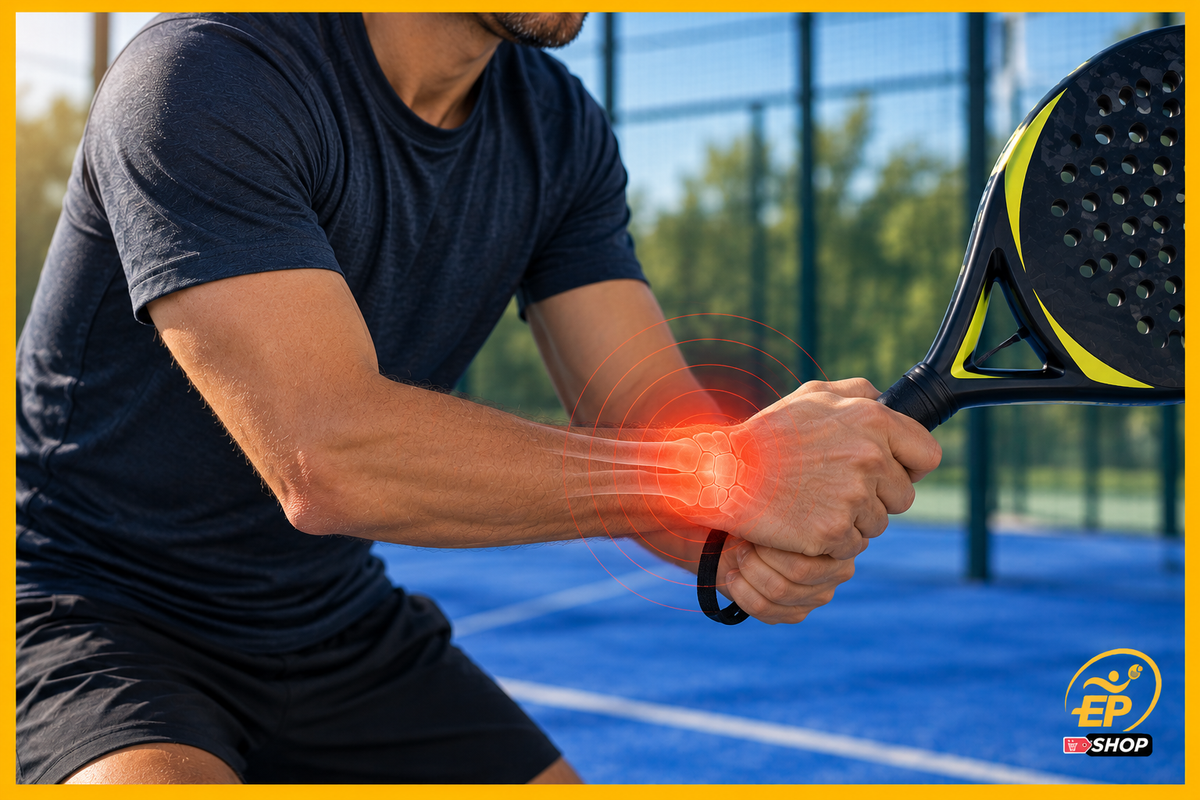
This final exercise could solve one of your biggest muscle issues in padel: epicondylitis, more commonly known as tennis elbow. Very common in racket sports, this tendon inflammation can affect any player, especially those who play with a rather stiff racket. This stretch is no miracle cure, but if you do it often, it can delay injury or relieve your joint.
Be careful not to push your hand too hard: you should not feel any pain.

Benefits of stretching for padel players
As mentioned above, stretching can serve 2 purposes. First, relieving the muscles and oxygenating them to speed up recovery time. In the longer term, muscle soreness will not last as long, allowing you to play consecutive matches much more easily. For this effect, you should do them right after your match, for about ten minutes. The goal is not to tire yourself out, but to gradually wind down the effort without hurting yourself.
The second benefit of stretching is seen more over the long term: increasing muscle flexibility. With these exercises done before matches, muscles gain flexibility and can extend more easily during exertion. You thus reduce the risk of injury such as pulls and strains, while also preventing your muscles from causing pain over time.