FIND YOUR RACKET
 COMPARE MODELS
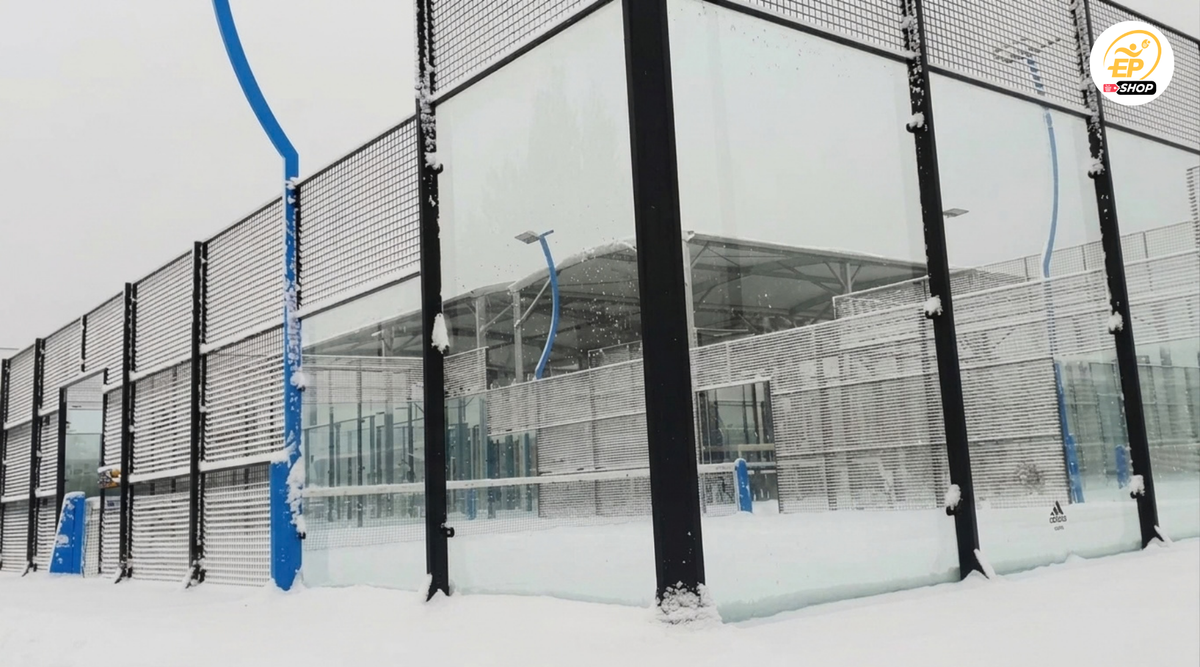
Playing padel in winter: tips and strategies for an enjoyable experience
Winter brings its share of challenges when it comes to playing outdoor sports, and unfortunately padel is no exception. Low temperatures, damp conditions, and shorter days might seem daunting, but do not give up!
With the right preparation and equipment, playing padel in winter can be just as enjoyable as during the warmer months. Here are a few essential tips to maintain your game and comfort throughout this cold season.
A thorough warm-up is key
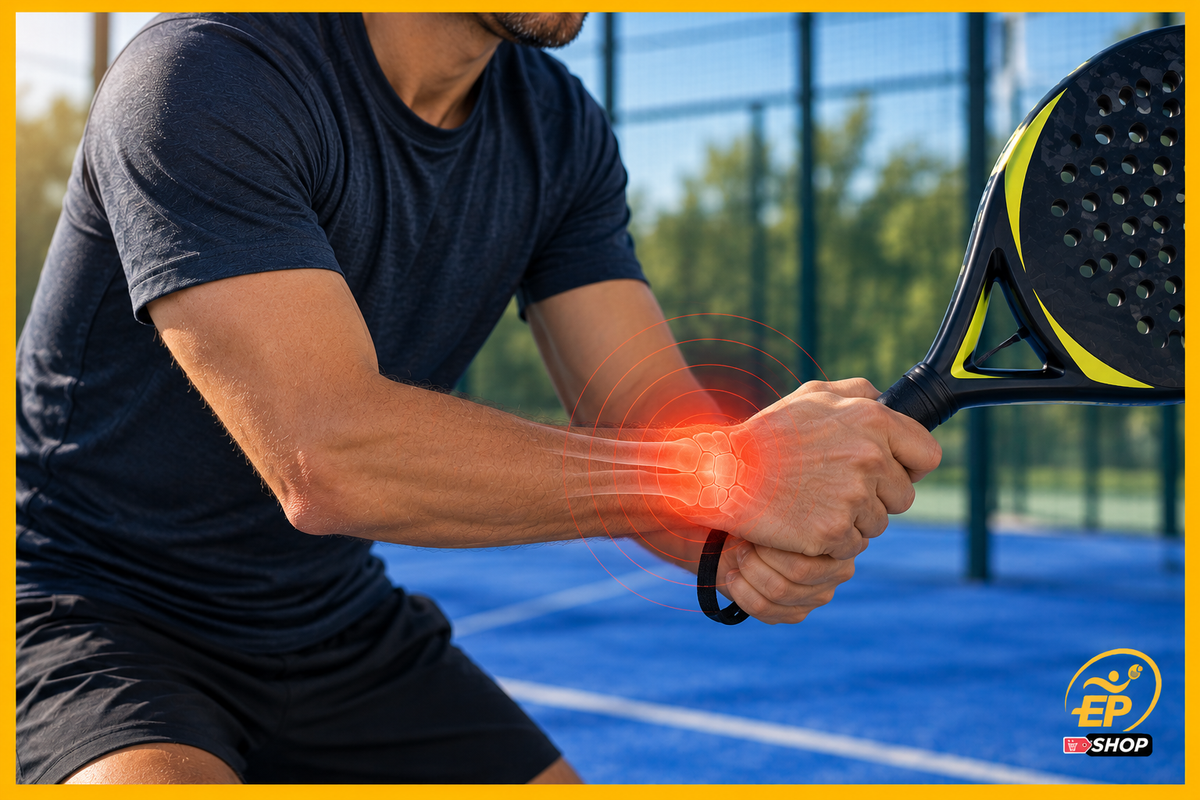
Muscles tend to be stiffer in cold weather, increasing the risk of injury. Here is how to perform a thorough and effective warm-up for playing padel in winter:
Start slowly
Start your session with low-impact activities to gradually raise your body temperature. Begin by walking at an easy pace, then increase the intensity to a light jog. This allows your body to adapt to physical activity without sudden strain.
Activate your cardio and muscles
After jogging, include exercises like skipping rope, which stimulate both the cardiovascular and muscular systems. Skipping rope is especially useful because it warms up many muscles simultaneously and quickly raises your heart rate.
Dynamic stretches
Incorporate stretches that prepare your muscles and joints for padel-specific movements. Focus on shoulders, elbows, wrists, knees, hips, and lower back. Dynamic movements keep the body moving and body temperature high. Think arm rotations, leg swings, and torso side bends.
Gradually ramp up the intensity
As your body warms up, increase the intensity and complexity of your movements. Do short sprints, jumps, and practice faster strokes. This not only prepares your muscles, but also your cardiorespiratory system, ensuring you are ready to play at your best from the start of the match.
Having the right equipment
Suitable equipment is essential for a comfortable playing experience and can help you avoid injury or falling ill in winter. Here’s how to choose and use your padel clothing, your racket and accessories for playing padel in cold weather.
Clothing
The key to staying warm and agile during the cold months is layering. Start with a thermal base layer that wicks moisture away from your body while retaining heat. Next, add an intermediate layer, such as a lightweight hooded sweatshirt or jumper, for extra insulation. Finally, an outer sports jacket that is wind- and water-resistant can protect against the outdoor elements. Choose clothing designed for movement and flexibility, and avoid bulky fabrics that could hinder your game.
The racket
Temperature can affect the materials in your padel racket, particularly the foam or rubber used in its core. In cold weather, these materials can harden, affecting the racket’s feel and responsiveness. Some rackets are better suited to low temperatures thanks to materials designed to maintain their performance even in the cold. If you often play in winter, consider a racket with a low-density foam core for better performance in cold weather.
Shoes
Shoes with good grip are essential to avoid slipping on a cold or damp court. Choose shoes with a deep tread rubber sole for maximum traction. Make sure your shoes also provide good lateral support to protect your ankles during quick movements and changes of direction.
Accessories
A few accessories can further improve your playing comfort in cold weather.
Special sports gloves can provide extra warmth without sacrificing dexterity or racket control.
A beanie or a headband can help retain body heat while keeping your ears warm. You can also keep your feet warm with socks designed for thermal insulation.
Finally, an overgrip can give you a better hold if your hands tend to get cold and dry, improving your control of the racket. In any case, it’s one of the accessories that can help you improve at padel.
Playing indoors
The solution may seem obvious: if outdoor conditions are too challenging, look for indoor facilities. Whether or not you have a padel licence, many clubs offer covered courts that protect you from wind, rain and snow, allowing you to play comfortably in summer and winter alike.
Tactical adaptation
If you do have to brave bad weather, remember that cold and damp affect not only player comfort but also the way the game itself is played. The ball, the court and even the air can influence your strategy and playing style. Here’s how to adapt your tactics to meet the unique challenges of winter padel. Whatever the conditions, playing in different weather can only help you improve at padel.
Influence of cold and humidity on the ball
In winter, the padel ball behaves differently because of the low temperatures. The cold makes the ball less elastic, reducing its speed and bounce. As a result, powerful smashes and long shots may be less effective. Here are some tactical adjustments to try in these conditions:
- Build the point patiently: with a lower bounce and reduced speed, rallies will generally be longer. Build your points patiently, focusing on precision and placement.
- Use varied shots: incorporate varied shots like the víbora or a more aggressive bandeja. Sliced or spin balls can be harder to return in cold conditions.
Influence of humidity on the court
Humidity can make padel surfaces slippery, affecting stability and movement. The glass walls can also become foggy or wet, which can hinder visibility and the trajectory of the ball after bouncing. For these conditions, there are also a few adjustments you can make:
- Play more lobs: a well-placed lob can be particularly effective if your opponent struggles with less powerful smashes or if the court surface is slippery. This can give you time to reposition or gain the upper hand.
- Reduce your playing speed: on a slippery court, sudden movements increase the risk of falling. Adapt your playing speed and be ready to play more defensively if necessary.
In winter, it is even more important to start each point well. A good serve followed by a solid volée can help you take control right from the start, especially when conditions make baseline shots less predictable. If the ball bounces lower, you may need to play closer to the net or adjust the height of your shots.
Hydration and nutrition
Drinking room-temperature beverages can help maintain body temperature. (ice-cold drinks are not recommended). Do not overlook the importance of good nutrition to supply the energy needed to fight the cold: eat nutrient- and calorie-dense foods before playing to keep your energy levels up.
Post-match
Once the match is over, cover up quickly to retain body heat. Take a warm shower as soon as possible and change into dry clothes to avoid catching a chill.