FIND YOUR RACKET
 COMPARE MODELS
Padel is no longer just a trend, it's a revolution. Courts popping up everywhere, tournaments filling stadiums, a sharp increase in FFT licence holders…
Padel is making its mark everywhere, and the 2025 figures confirm this spectacular rise. Ready for a data-driven look at this success story?
If you need to start with the basics, begin here: what is padel?
A booming sport
An explosion in the number of players in France
Padel has grown spectacularly in France in recent years. According to the latest figures from the French Tennis Federation (FFT), which charts the history of padel, the number of registered padel players exceeded 110,000 in 2024, compared with barely 70,000 in 2022. This figure does not include occasional players, estimated at over 500,000.
Padel’s rise as a sporting trend rests on several strengths: it’s quick to pick up, highly social and accessible to all ages. It’s also a mixed-gender sport, encouraging doubles play.
A sport that appeals to all regions
While Île-de-France leads with nearly 20% of licence holders, regions such as Occitanie, Nouvelle-Aquitaine or Provence-Alpes-Côte d’Azur are also showing rapid growth. The padel club is becoming a genuine hub, with modern facilities and expanded services.
Courts and clubs: staggering figures
How many padel courts are there in France?
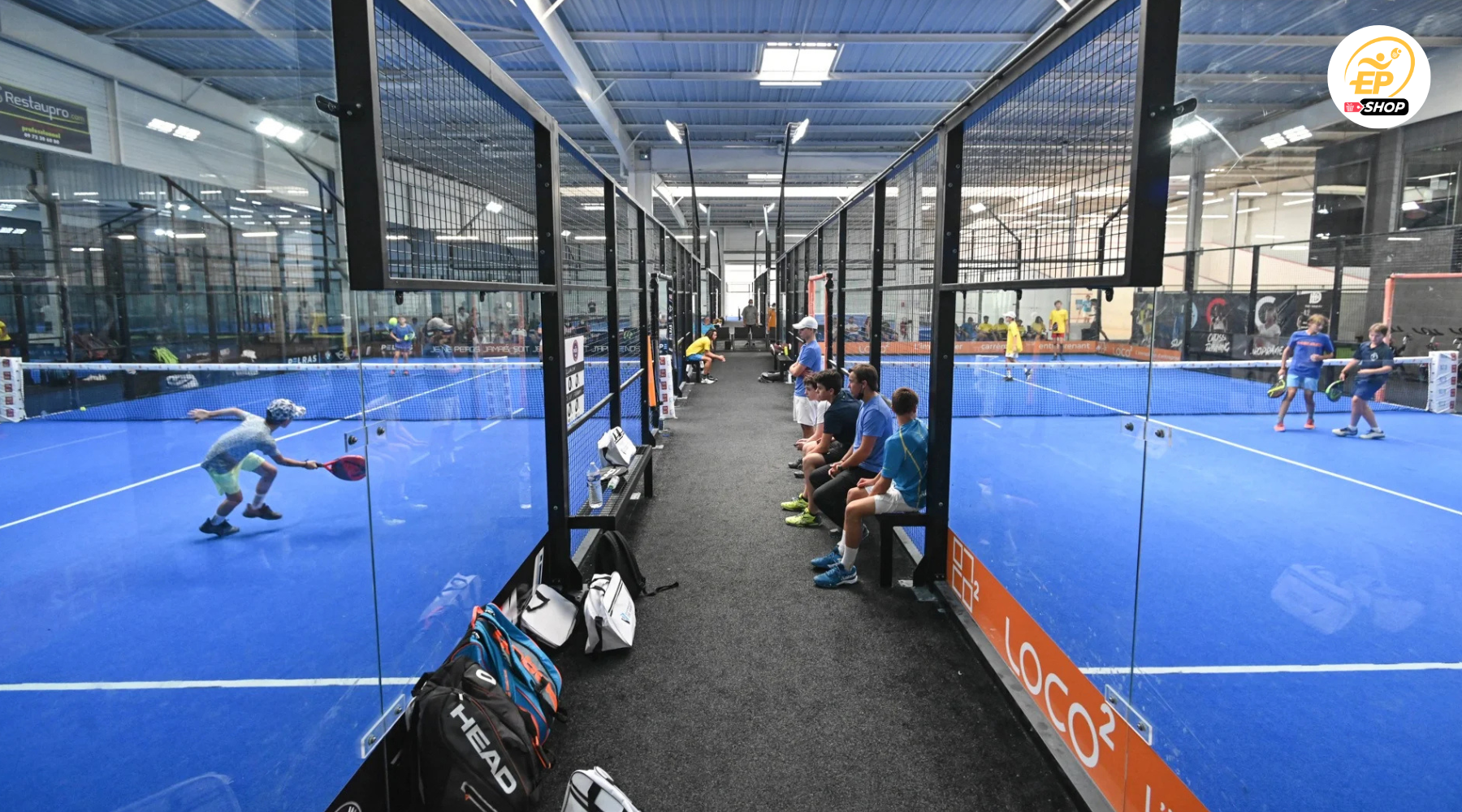
In 2025, France has around 2,200 padel courts (FFT approved), spread across more than 1,000 padel clubs. This figure includes both public and private facilities, indoor or outdoor. In comparison, there were only 700 courts in 2019: that is a growth of more than 200% in six years.
The construction of padel courts is accelerating to meet growing demand. Many traditional tennis clubs are now adding padel courts to their offering.
An expanding nationwide network
The FFT has implemented a development plan to reach 3,000 courts by 2026.
The goal: promote access to padel everywhere in France, including in rural or semi-urban areas. Partnerships with local authorities help sustain this momentum.
Events and competitions: a growing audience
The Paris Major, a flagship event
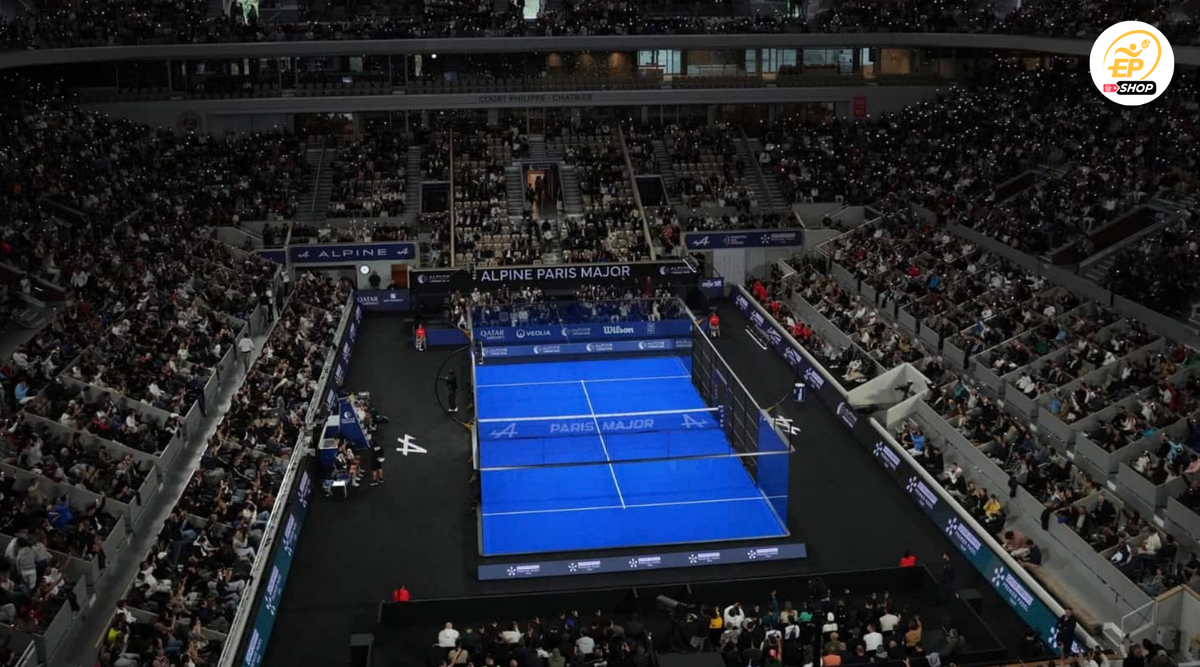
Launched in 2022, the Greenweez Paris Major at Roland-Garros has become one of the most iconic tournaments of the World Padel Tour. In 2024, the event brought together over 35,000 spectators over several days, and several million views online. This media success contributes greatly to the sport's profile in France.
France on the international stage
France makes a strong showing in the world rankings, notably thanks to its emerging talents, supported by the French federation. Even though Spain remains the dominant nation, France is progressing and hosting more and more international stages.
Player profiles: who plays padel?
A cross-generational sport
The sport of padel appeals to all generations. According to the FFT:
- 45% of licence holders are between 25 and 40 years old
- 30% are between 40 and 60 years old
-
and 10% are under 18
The sport is also attracting more and more women, with female participation on the rise, encouraged by dedicated competitions and greater media coverage. Equipment manufacturers have recognised this and now cater to this audience with suitable equipment and padel outfits.
Players with diverse profiles
Busy professionals, active retirees, students… padel brings together a wide variety of people. Its straightforward gameplay and rules of padel, with no particular physical prerequisites, make it an appealing sport for beginners and experienced athletes alike.
Focus on the padel economic market
Equipment: a booming sector
Demand for padel rackets, padel shoes and padel bags has soared. The padel accessories market is following this trend, driven by more diverse ranges and the arrival of new brands. Some clubs even have in-store retail areas offering personalised selections.
Discover all the padel bags and padel accessories available at Esprit Padel Shop.
Specialist chains and franchises
Chains like Casa Padel or 4Padel are expanding their franchise networks, focusing on a complete customer experience: latest-generation courts, modern changing rooms, catering, pro shop… The business model of padel is now considered profitable and scalable.
An economic driver for the sports industry
The growth of padel doesn't only benefit players. It also represents an economic opportunity for many stakeholders: clubs, equipment manufacturers, local authorities, property developers and even hotel chains.
Investment in padel courts is relatively low compared to other sports infrastructure, which attracts entrepreneurs.
Furthermore, the business model of a padel club relies on high occupancy rates thanks to doubles play and short time slots (often one hour). This allows for fast profitability, especially in urban areas.
Tourism, events and catering: the knock-on effects
Some clubs are developing an expanded offer including:
-
On-site catering
-
Private or corporate tournaments
-
Premium services such as the rental of padel clothing, rackets or padel bags
In tourism too, padel is becoming a selling point. More and more hotels and resorts in France and Spain are installing courts to attract a sporty clientele.
Padel is therefore establishing itself not only as a major trend but also as a growth engine for the sports and leisure sector as a whole.
Padel around the world: where does France stand?
Spain, world number 1
Spain remains the undisputed benchmark, with over 6 million players and around 14,000 registered courts. Padel is the second most played sport there after football.
A European momentum
Italy, Sweden, Belgium and the United Arab Emirates are following the trend. French padel is now positioned in the European top 5, thanks to its structuring plan and the momentum driven by the French federation.