FIND YOUR RACKET
 COMPARE MODELS

Padel warm-up: prepare effectively
An effective padel warm-up lasts between 10 and 20 minutes and combines three stages: cardio activation, muscle and joint mobilisation, then technical drills on court (forehands, backhands, volleys and serves). It reduces the risk of muscle and joint injuries while improving your responsiveness from the first rallies. Its duration and content vary depending on the situation: training, a match or a tournament day.
Key takeaways
-
Allow 15 to 20 minutes before training and 20 to 30 minutes before a match.
-
The warm-up has three stages: light cardio, muscle activation, then technical drills with the racket.
-
Shadow racket swings activate your hand-eye coordination before you even touch a ball.
-
During a tournament, a short warm-up (10 to 15 minutes) between matches is enough to stay alert without exhausting yourself.
-
Post-match recovery (static stretching) is an integral part of a complete routine.
Contents
-
Why warm up before playing padel?
-
The key stages of a padel warm-up (physical)
-
The key stages of a padel warm-up (on court)
-
How to warm up for different situations
-
Frequently asked questions
Padel combines strategy, agility and sociability: most of us play for the benefits padel brings to body and esprit. But be careful: as with any physical activity, a proper warm-up is essential to get the full physical benefits and minimise the risk of injury.
Let’s look at how to prepare your body and esprit for a padel match, tournament or training session, and improve your performance on court.
Why warm up before playing padel?
Injury prevention
An effective warm-up prepares your body for physical exertion, effectively reducing the risk of muscle and joint injuries. By gradually raising your body temperature and increasing blood flow to your muscles, you prepare your joints, tendons and muscles for the intense activity of padel, especially if you’ve decided to play padel in winter.
Improving performance
Warm-up exercises increase muscle flexibility and responsiveness, which are crucial for the quick, explosive movements characteristic of padel. A well-prepared body responds better to bursts of speed, changes of direction and powerful shots, which can help you improve your level of play from the very first rallies.
To progress even faster and improve your performance over the long term, you can also read our article on effective physical preparation for padel.
The key stages of a padel warm-up — physical warm-up
Get your heart rate up
Start with 5 to 10 minutes of light cardio activity to raise your heart rate. A gentle run around the court, skipping or even jogging back and forth are excellent ways to start your warm-up.
Warming up your muscles and joints
After the cardio activation, focus on the main muscle groups used in padel: your legs, arms and core. Do movements such as squats, lunges, arm circles and side bends to prepare every part of your body.
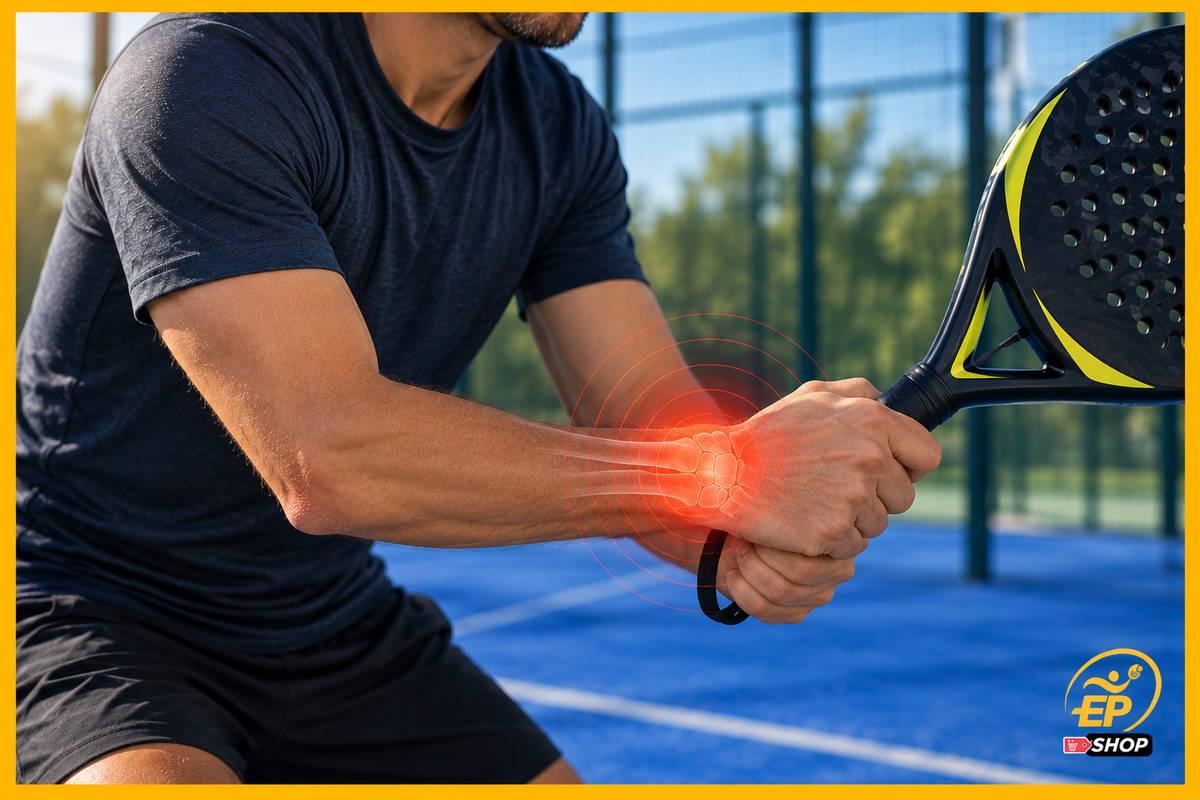
Include dynamic stretches to increase your range of motion around key joints. From leg swings and wrist rotations to dynamic shoulder stretches, make sure you mobilise all the areas used during play, particularly the muscles used in padel that tend to be overlooked.
Padel-specific exercises
- Racket movements: practise forehand, backhand and volley swings without a ball to activate your hand-eye coordination and adjust your racket grip.
- Lateral movement: practise side steps around the court to prepare your legs for quick movements from side to side.
- Short sprints: do a few brief sprints to prepare your body for sudden bursts of speed.
The key stages of a padel warm-up: on-court physical warm-up with the ball and racket
Confidence in your shots
The on-court warm-up is the ideal time to build confidence and precision in your shots. Start with simple rallies on court, aiming forehands and backhands at the service box.
The aim is to find your rhythm and move well between shots while staying balanced as you strike the ball. This simple exercise helps fine-tune your touch on the ball and prepares your muscles for the precision you’ll need later.
Practising specific shots
Once you’ve consolidated the basics, it’s time to work on the specific shots that make padel distinctive. Let the ball rebound off the glass and practise returning it after the rebound – in line with the rules of padel – to sharpen your ability to read its trajectory and react quickly.
Include lobs, chiquitas and a variety of other shots in your warm-up that will be crucial during the game. This not only helps you sharpen your reading of the game but also lets you rehearse these essential movements.
Mastering play at the net
Warming up at the net is a phase you should not neglect if you want to sharpen your attacking game. Start with deep volleys aimed down the centre, focusing on placing the ball accurately. Gradually, target specific areas of your opponents’ court to refine your volée tactics. Then add high balls, practising bandejas, viboras and smashes, to make sure you’re ready to dominate the aerial game.
Finishing your warm-up
Finish your warm-up with a series of serves into both service boxes, followed by a few returns, to get ready for the opening rallies. This stage also helps you prepare mentally.
On that last point, a short breathing or positive visualisation routine can make a difference: our article on mental preparation for padel sets out several simple techniques to use before stepping onto the court.
How to warm up for different situations
Warm-up before training
The main aim of warming up before a training session is to prepare your body for the exercises and shots you’ll practise during the session. This involves preparing your whole body, with a particular focus on flexibility and mobility.
- Duration : 15 to 20 minutes.
- Focus : light cardio activity, followed by a dynamic warm-up for your muscles and joints. Include general exercises that raise your body temperature and prepare your muscles for exertion.
- Specific approach : You can include racket drills to activate your hand-eye coordination and refine your technique, preparing you to try new shots in a less stressful frame than a match.
Warm-up before a match
Before a match, your warm-up should not only prepare you physically but also get you mentally ready to compete. The emphasis is on simulating match situations and preparing tactically.
- Duration : 20 to 30 minutes.
- Focus: start with more intense cardio activity to prepare your body for sustained effort. Follow this with a targeted muscle warm-up, focusing on key padel movements.
- Specific approach : use balls and drills that replicate match conditions. Practise shots under pressure and adjust your game to the tactics you’ve planned for your opponent.
Warm-up for a tournament day
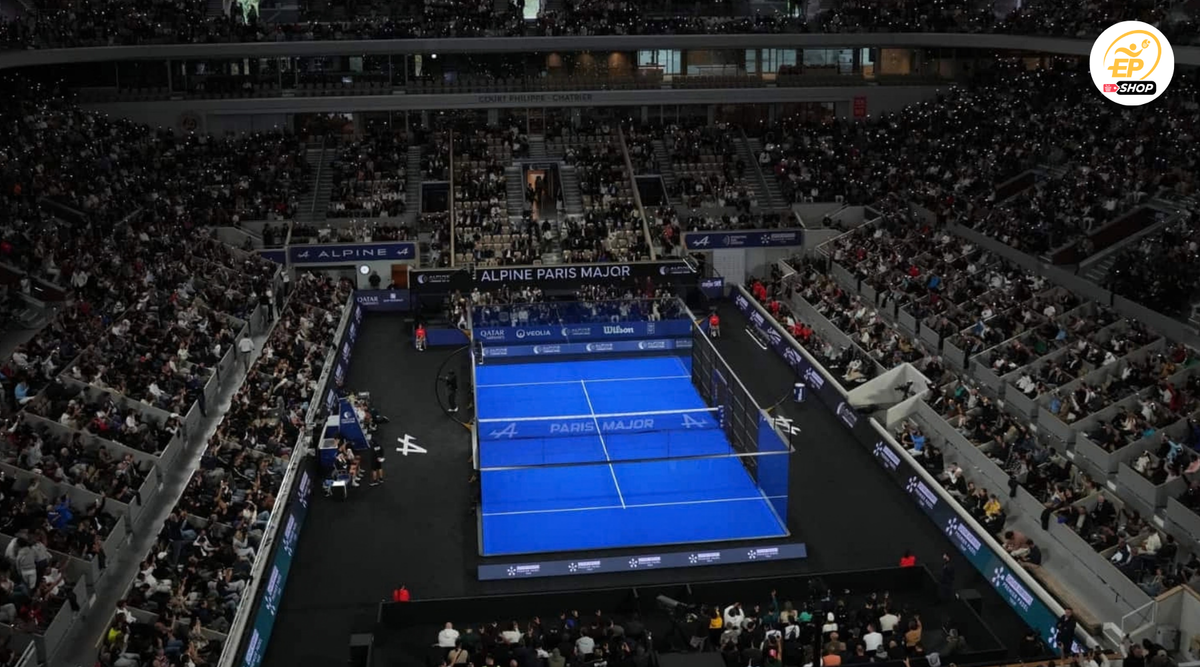
During a tournament day, you may play several matches in succession with little rest between them. Your warm-up should therefore be designed to maintain an optimal energy level throughout the day while helping to prevent fatigue and injuries.
- Duration: 10 to 15 minutes before each match, adjusted according to how you feel and the match schedule.
- Focus: a short but effective cardio activation before each match to keep your body alert. Between matches, choose low-intensity activities to stay active without draining your energy reserves.
- Specific approach: before your first match, do a full warm-up including cardio, muscle activation and padel-specific exercises. For later matches, focus on reactivating your body and adjusting your tactics with your partner, based on how previous matches went and the opponents you’ll face next.
After a match: recovery
Whatever the context, don’t neglect recovery either: it’s just as essential after exercise. It includes static stretches to release muscle tension and promote blood circulation, helping to reduce soreness and prepare your body for future exertion. You can also take a tour of our shop and discover the padel accessories that can help you get the most out of your training sessions, warm-ups and even recovery.
By adapting your warm-up to each situation, you optimise your preparation and performance, whether you’re training, playing a match or facing a long tournament day.
Frequently asked questions
How long should a padel warm-up last?
Allow 15 to 20 minutes before training and 20 to 30 minutes before a match. During a tournament, 10 to 15 minutes between matches is enough. The duration depends mainly on what’s at stake: the greater the pressure, the more care you should put into your mental and tactical preparation.
Can you warm up without a playing partner?
Yes. You can easily do the cardio, muscle activation and shadow racket swings on your own, even before stepping onto the court. Only the "ball rallies" require a partner or, failing that, a practice wall.
Should you warm up differently in winter?
Yes. When temperatures are low, the cardio and mobilisation phase should be extended by a few minutes because muscles and joints take longer to warm up. It’s also a good time to check that your equipment (shoes and grip) still performs well in the cold.
What if I only have 5 minutes before playing?
If you’re short of time, prioritise a brief cardio burst (30 seconds to 1 minute of jogging on the spot), a few shoulder and wrist rotations, then some shadow racket swings. It’s not ideal, but it reduces the risk of injury in the opening rallies.
By adapting your warm-up to each situation, you optimise your preparation and performance, whether you’re training, playing a match or facing a long tournament day.