FIND YOUR RACKET
 COMPARE MODELS
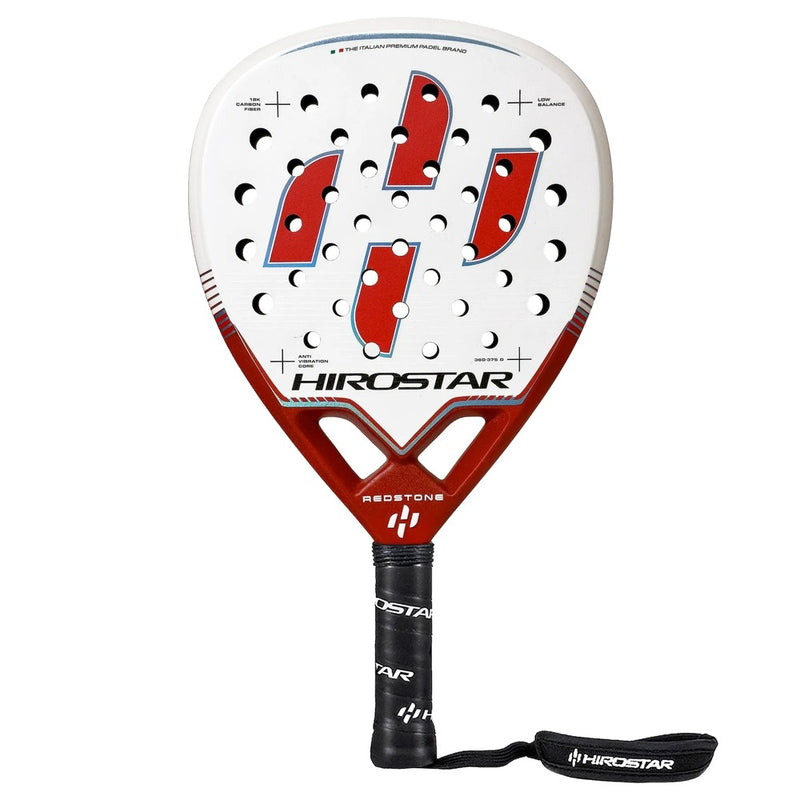
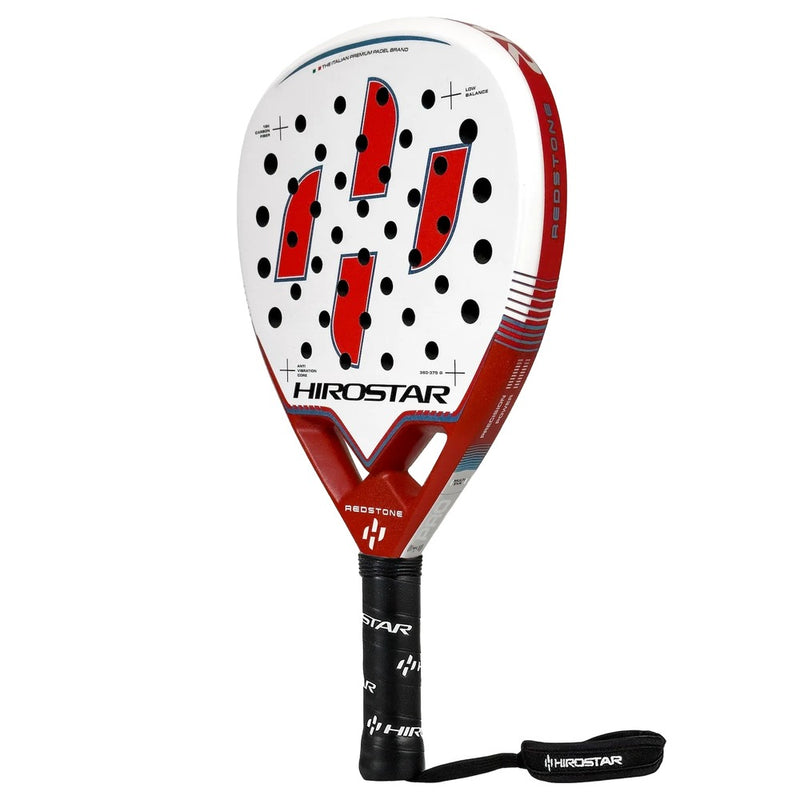
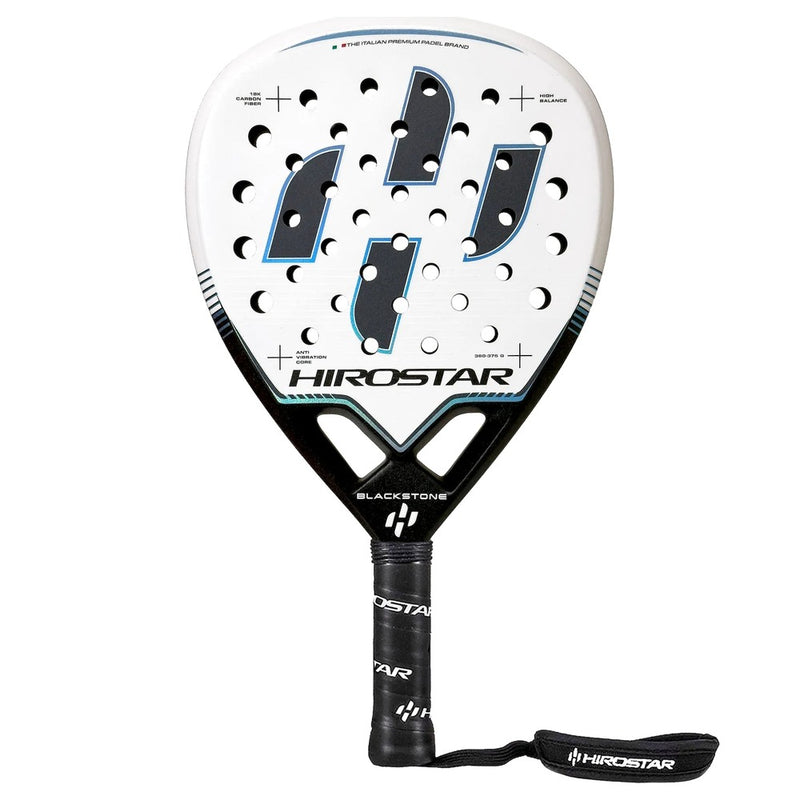
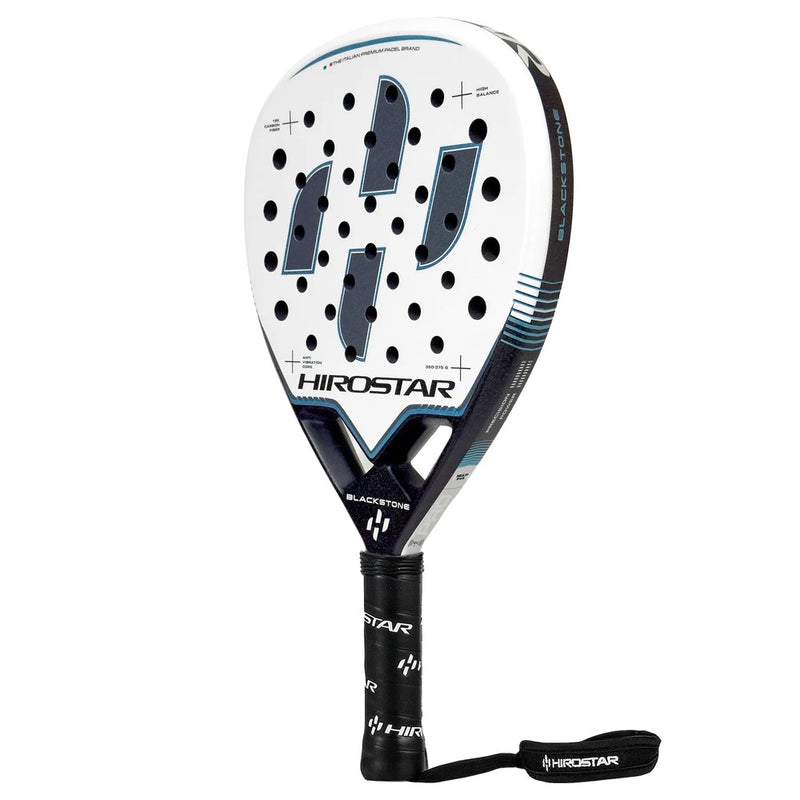
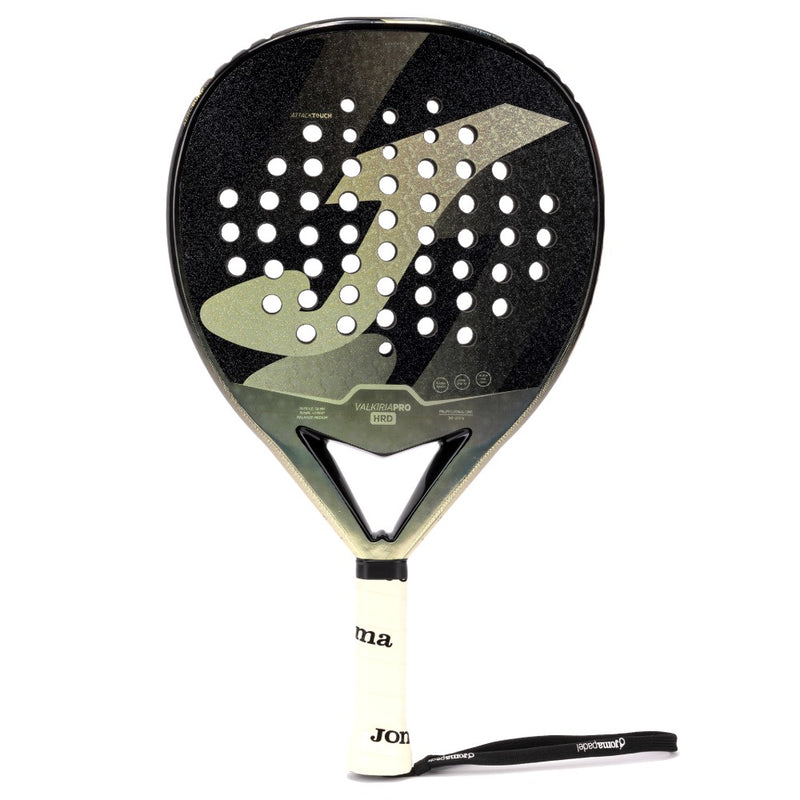
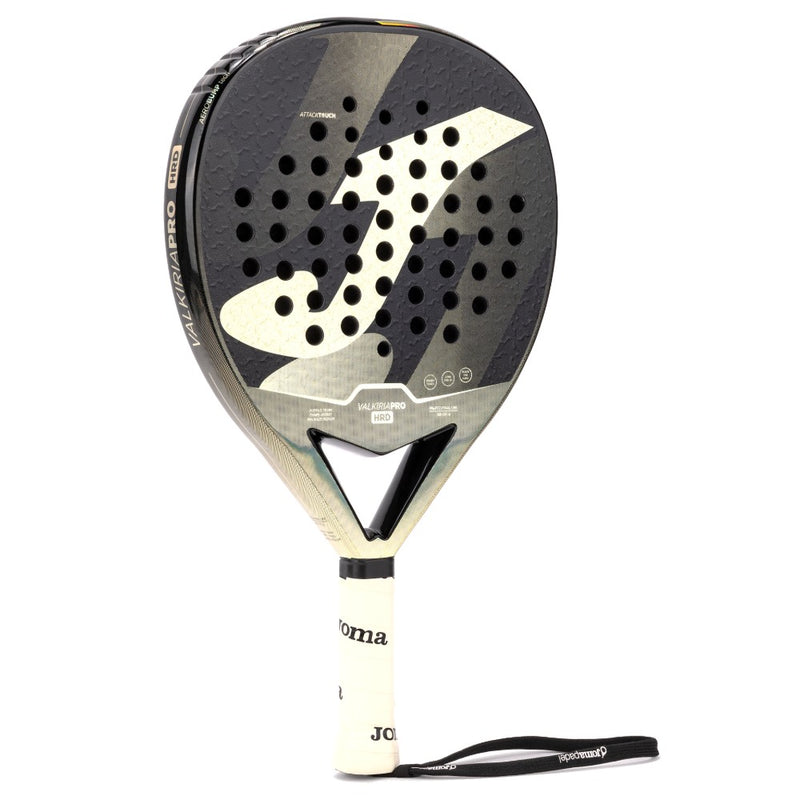

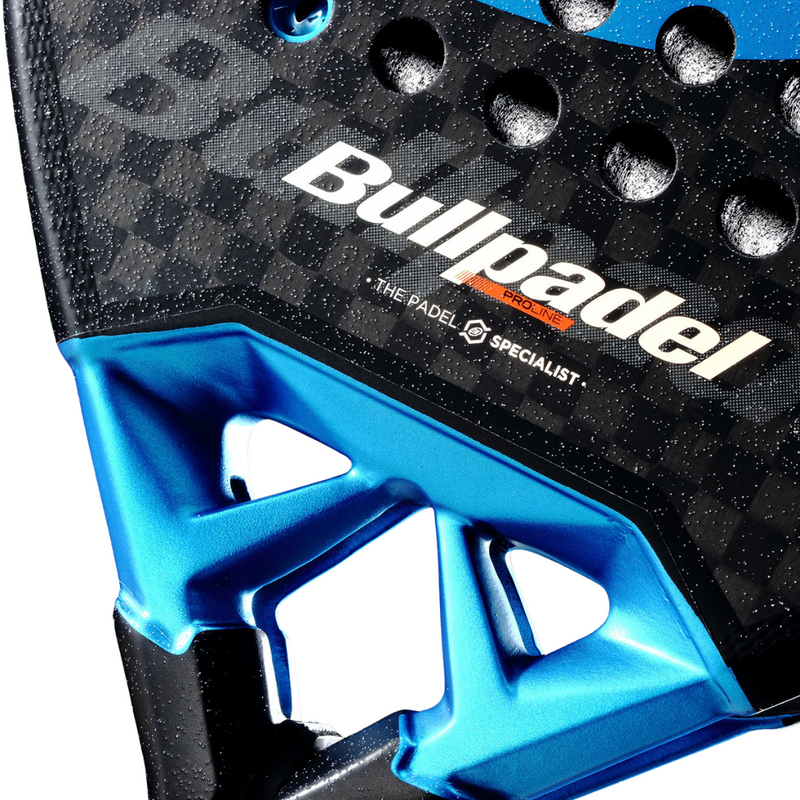
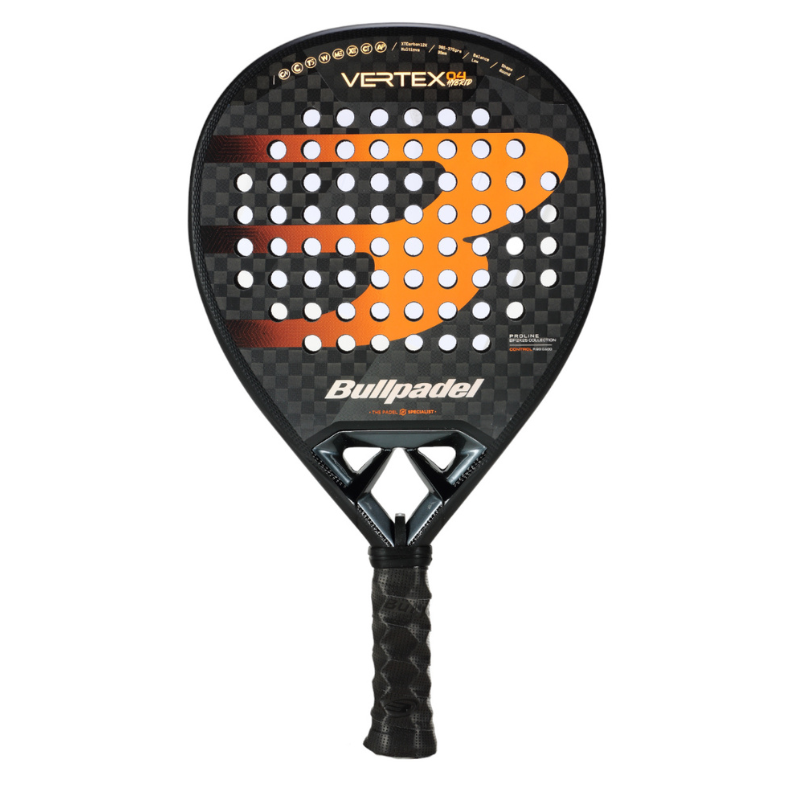
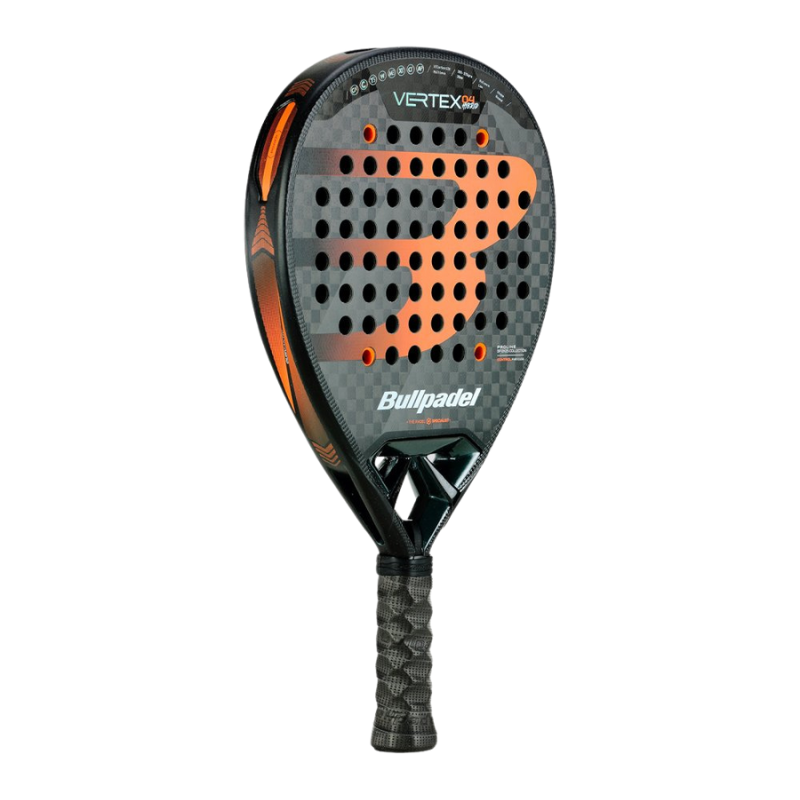
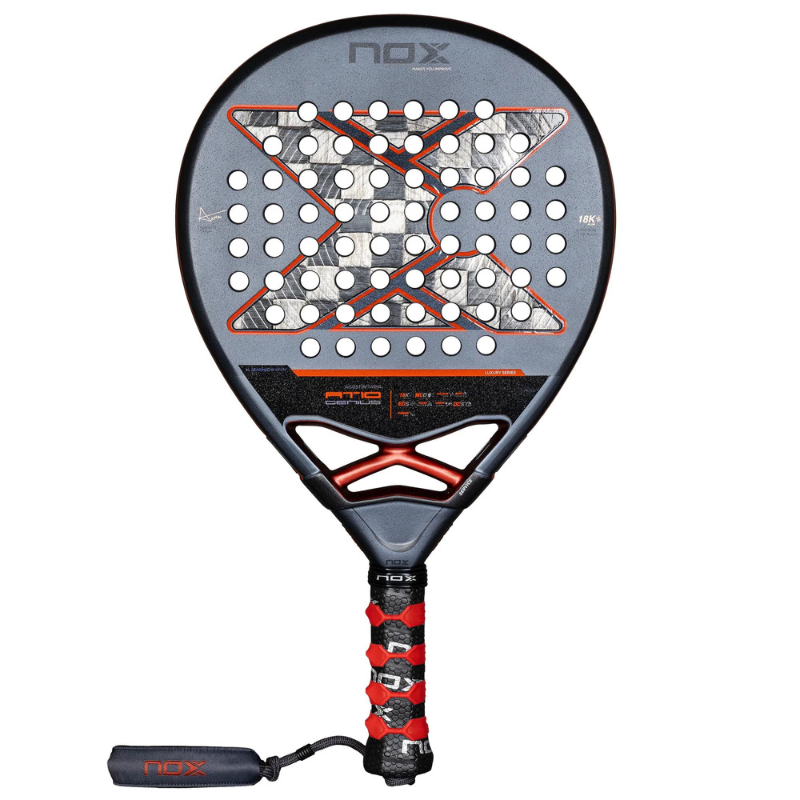
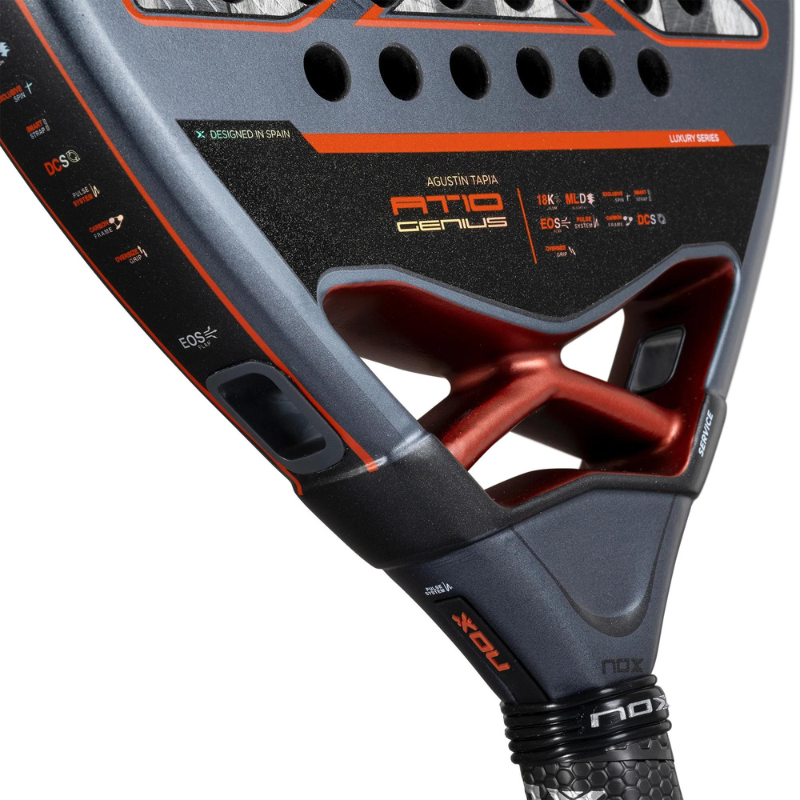
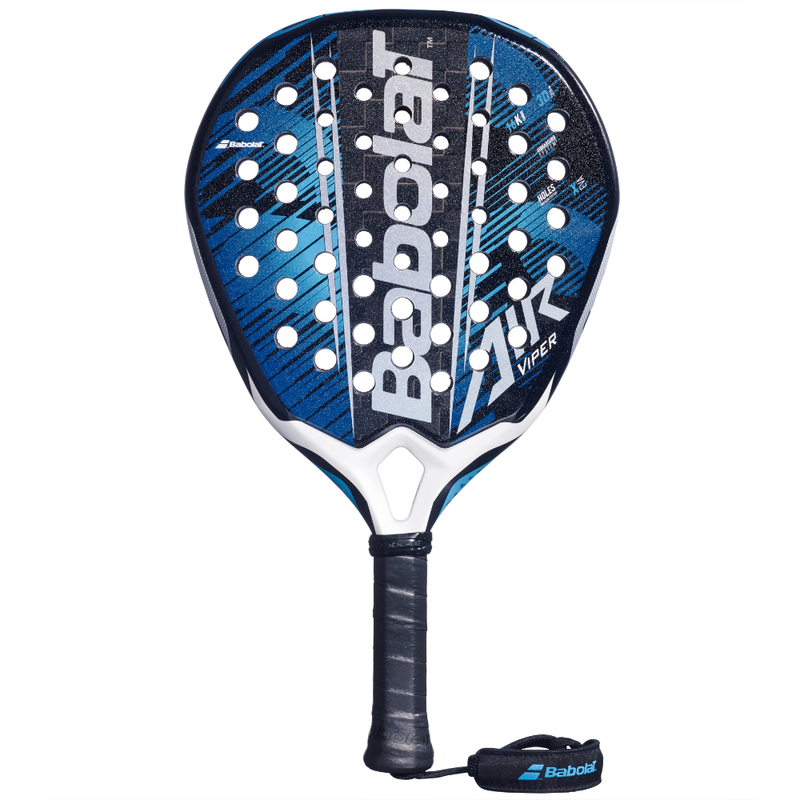
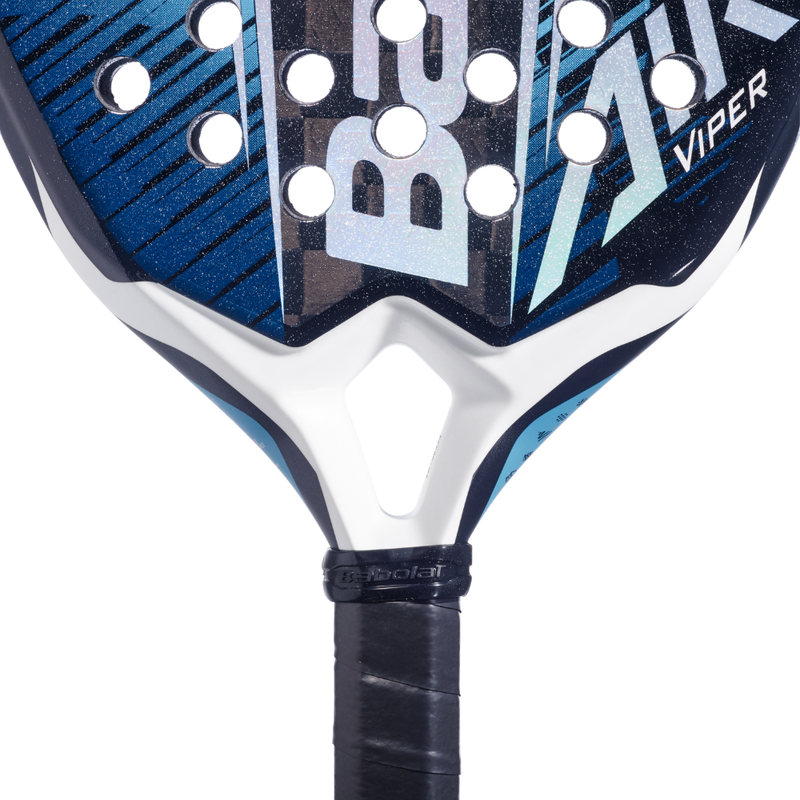
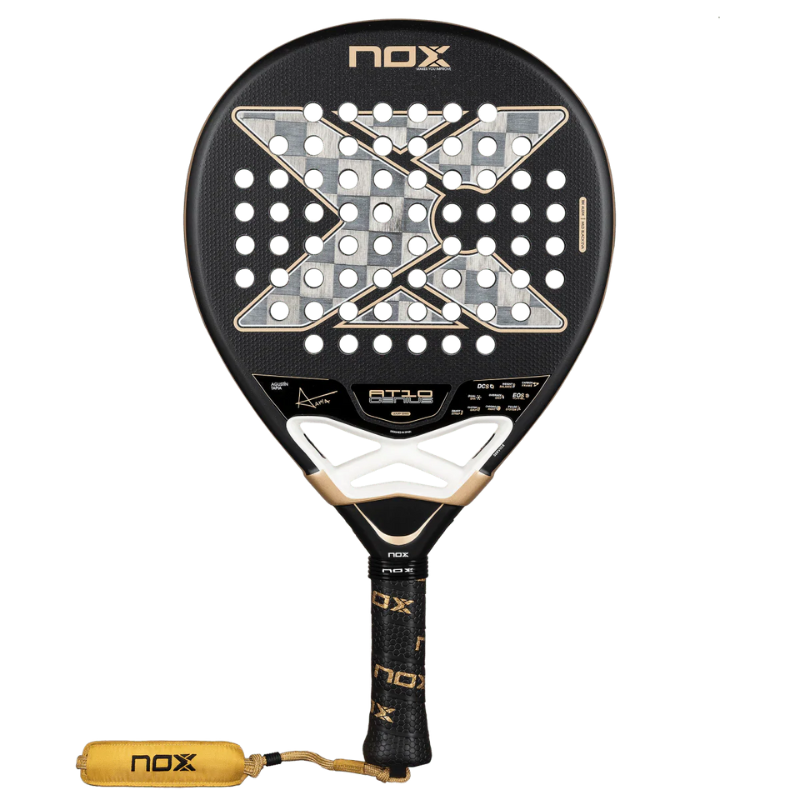
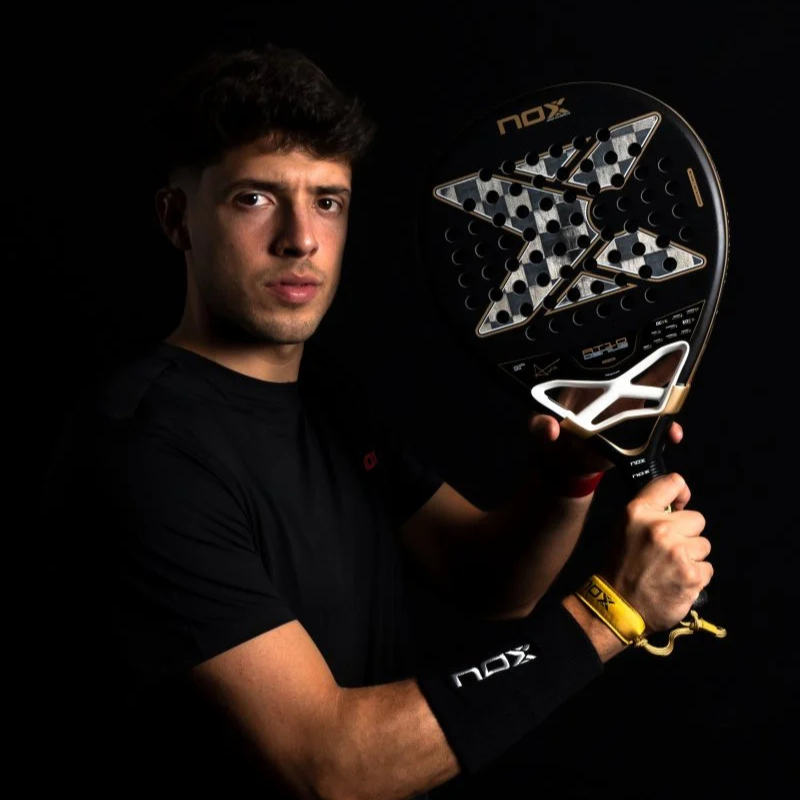


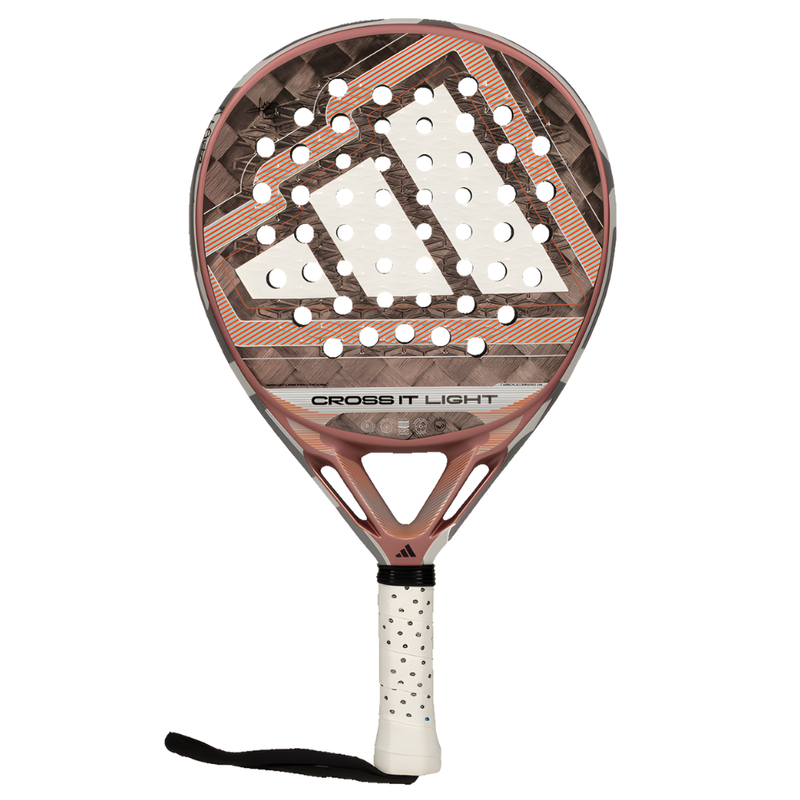
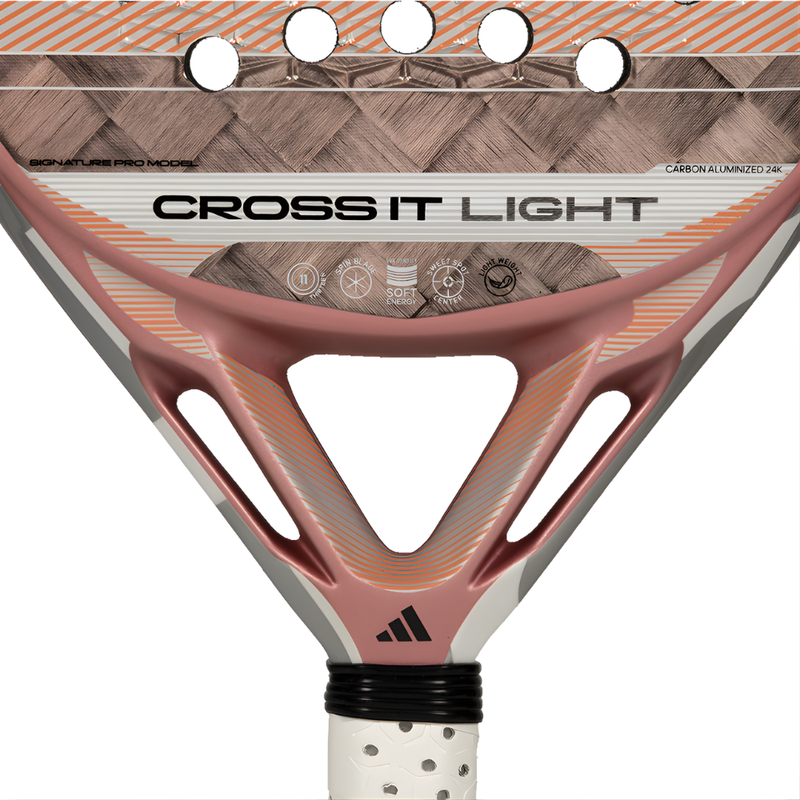
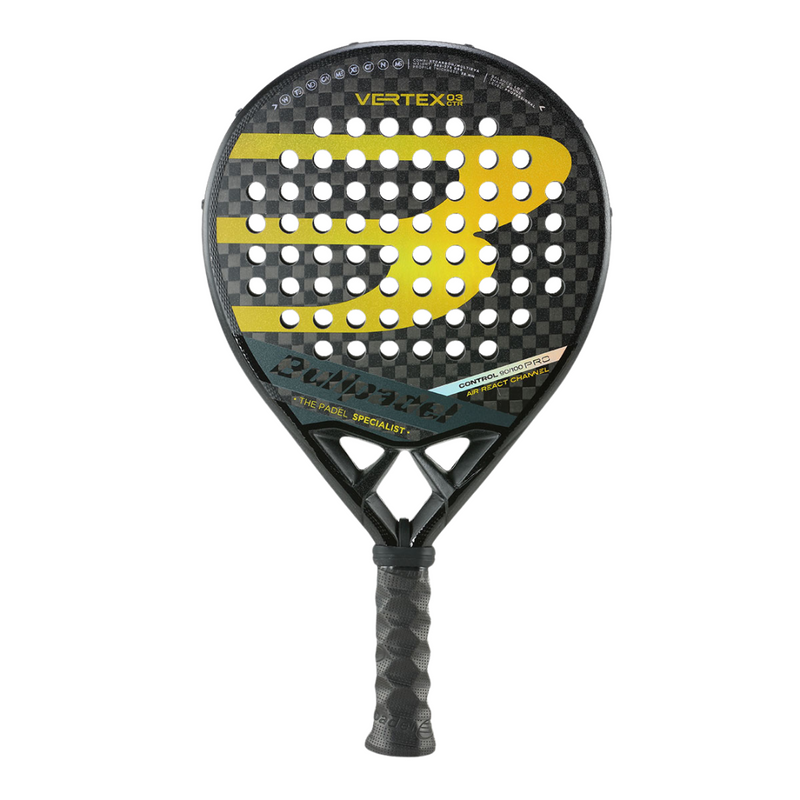
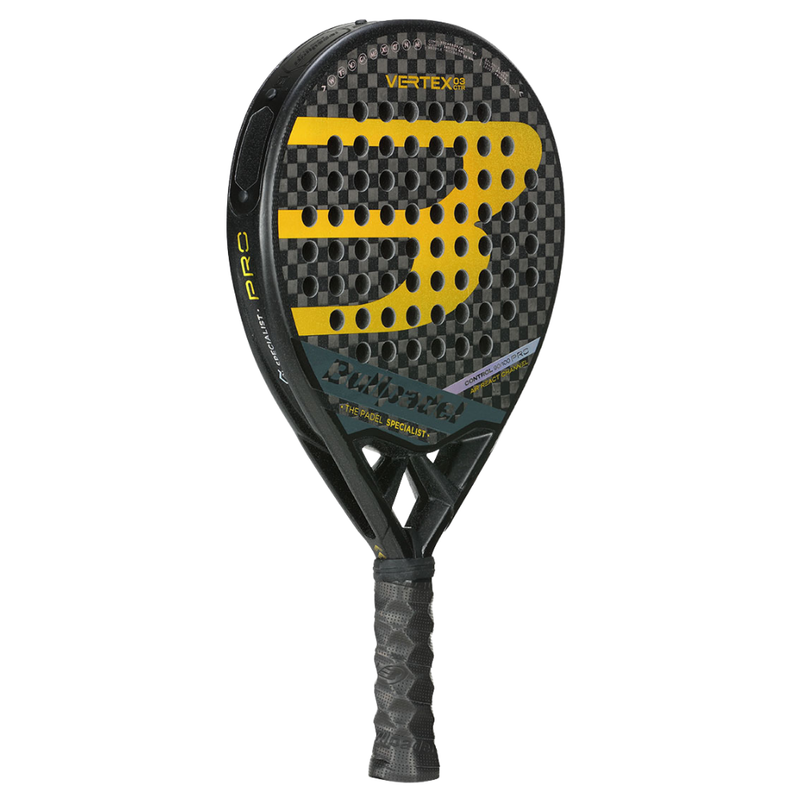


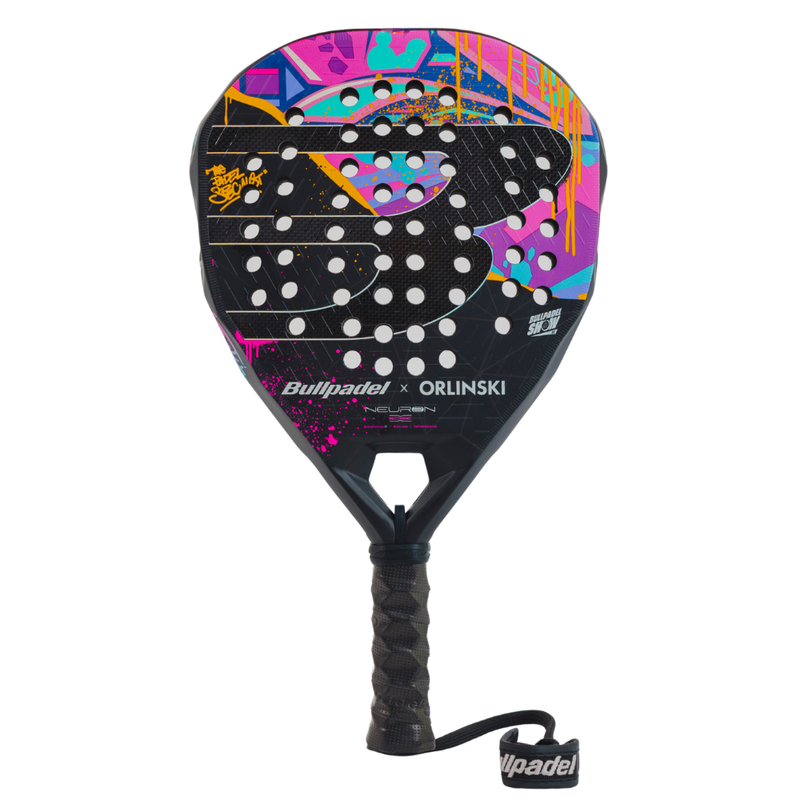
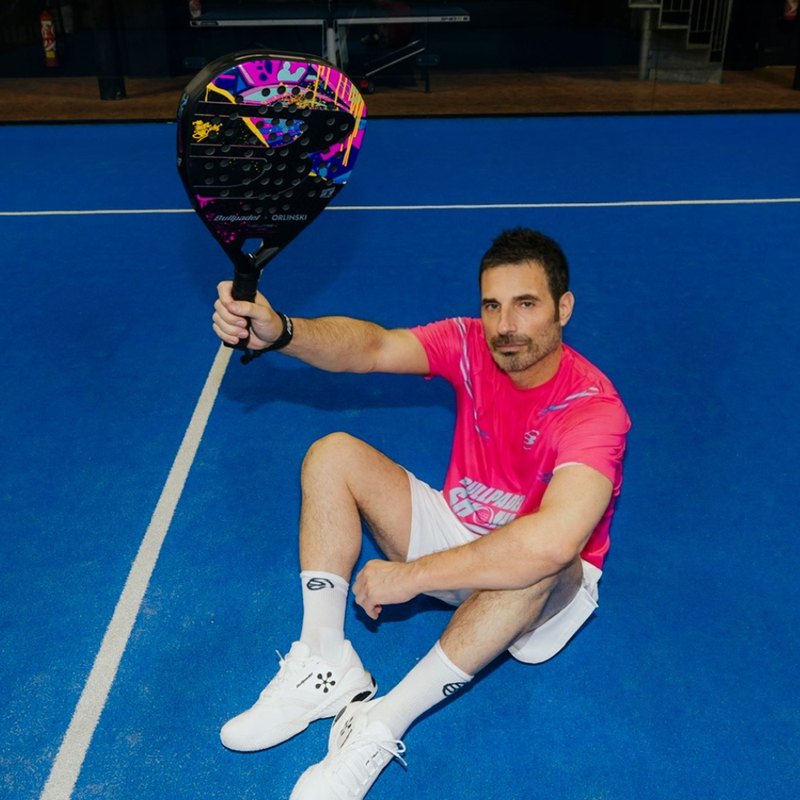


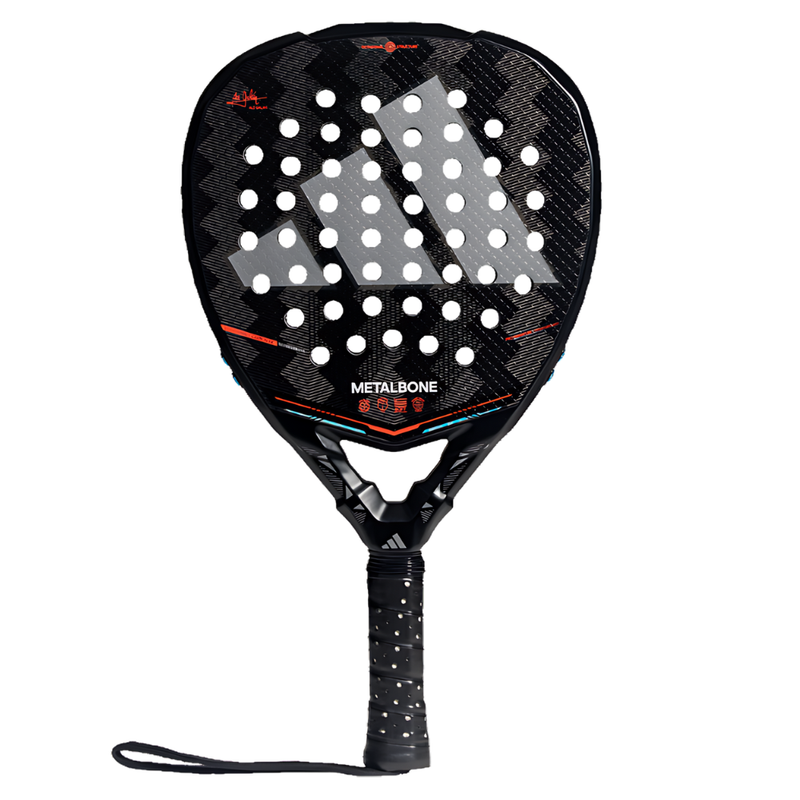
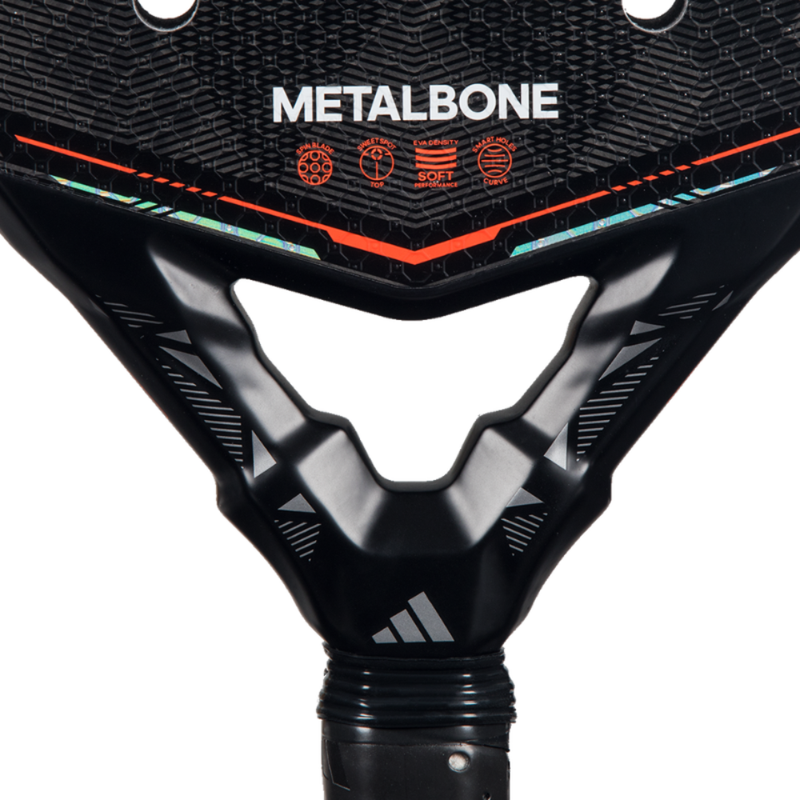
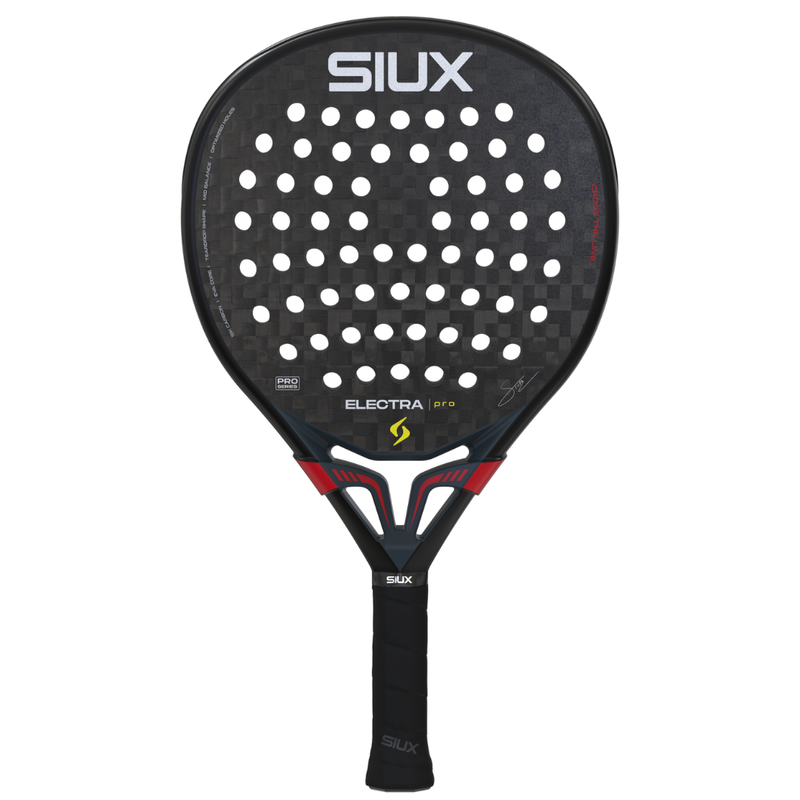
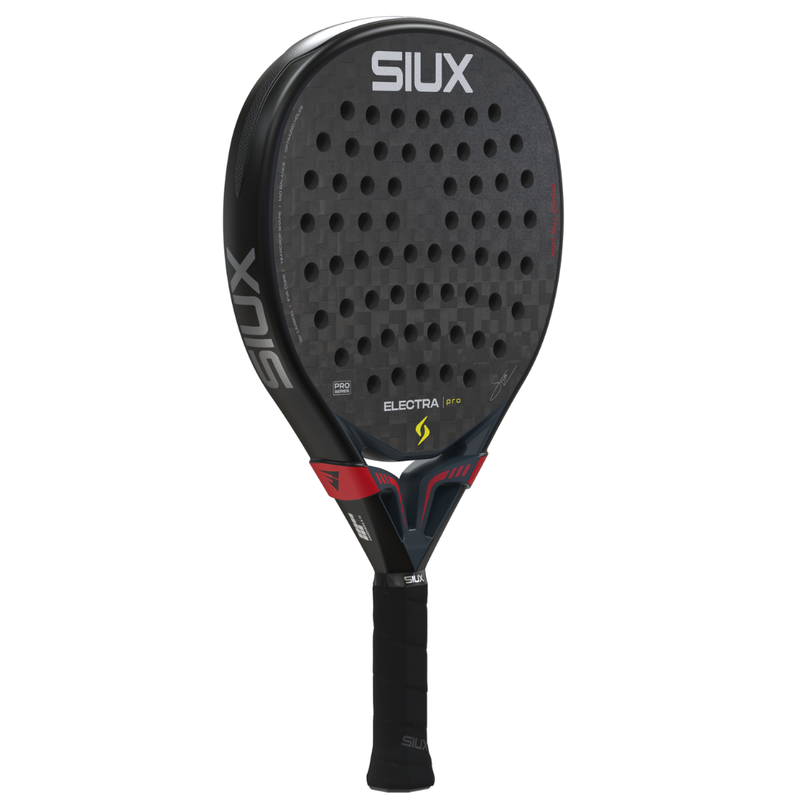
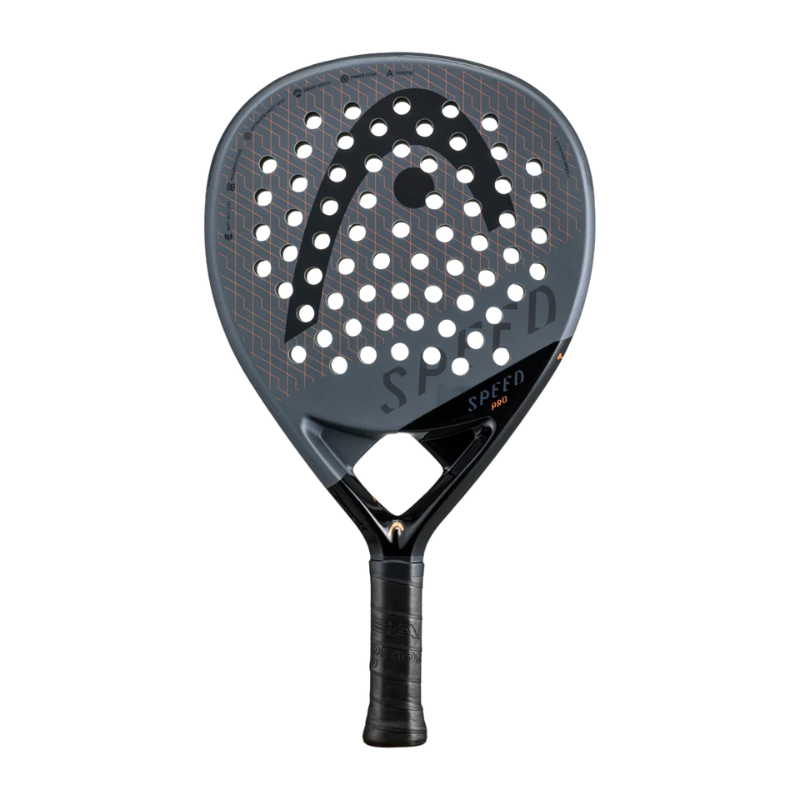
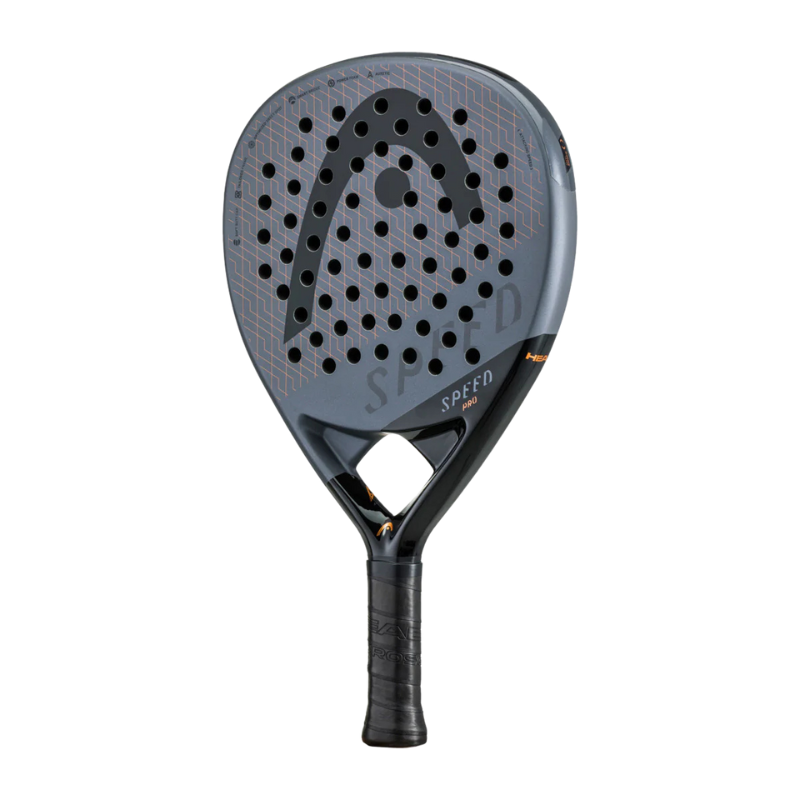
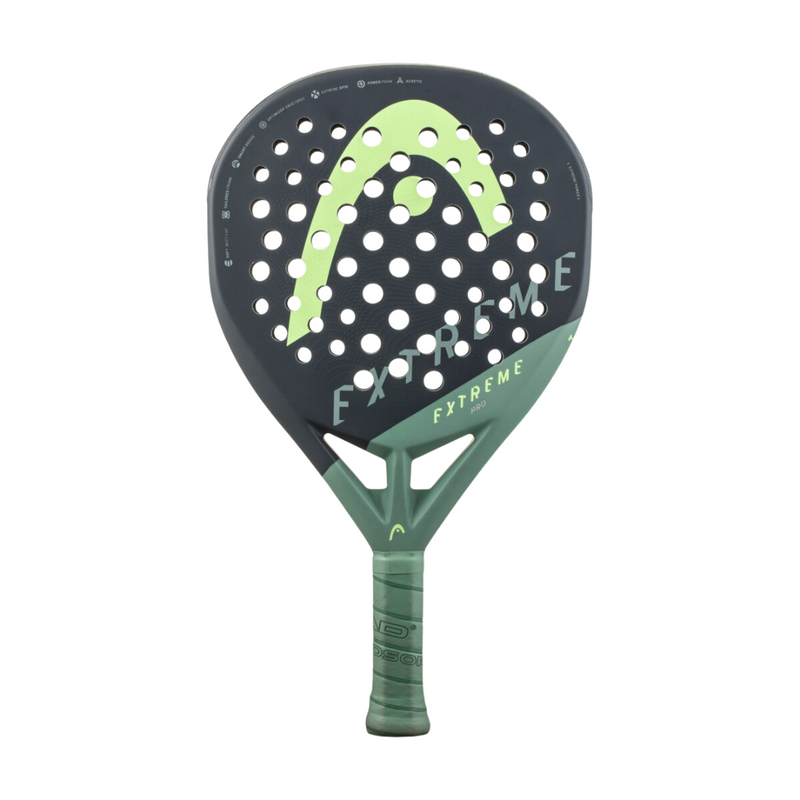
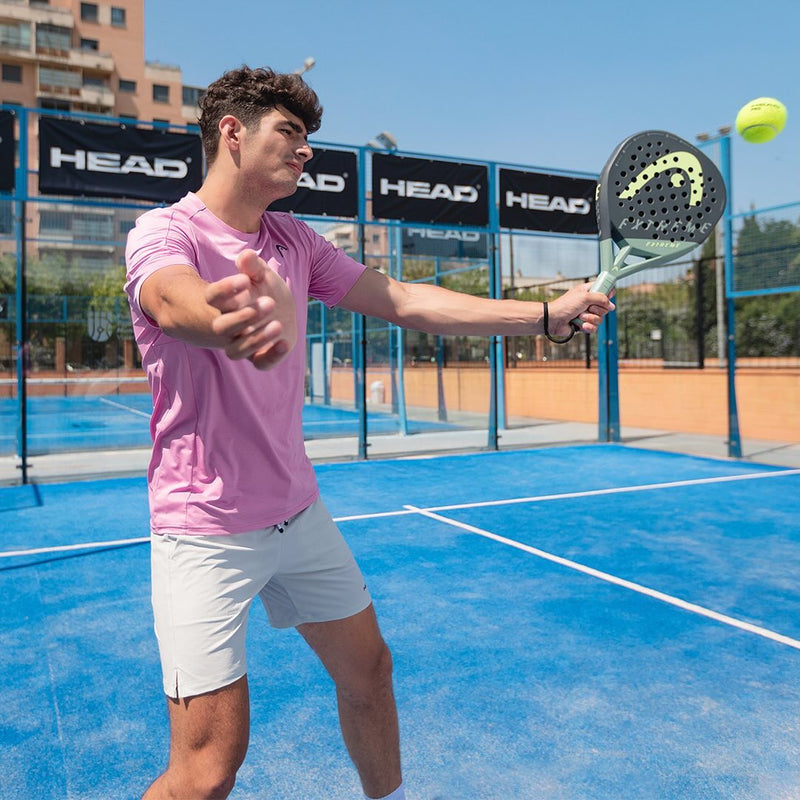
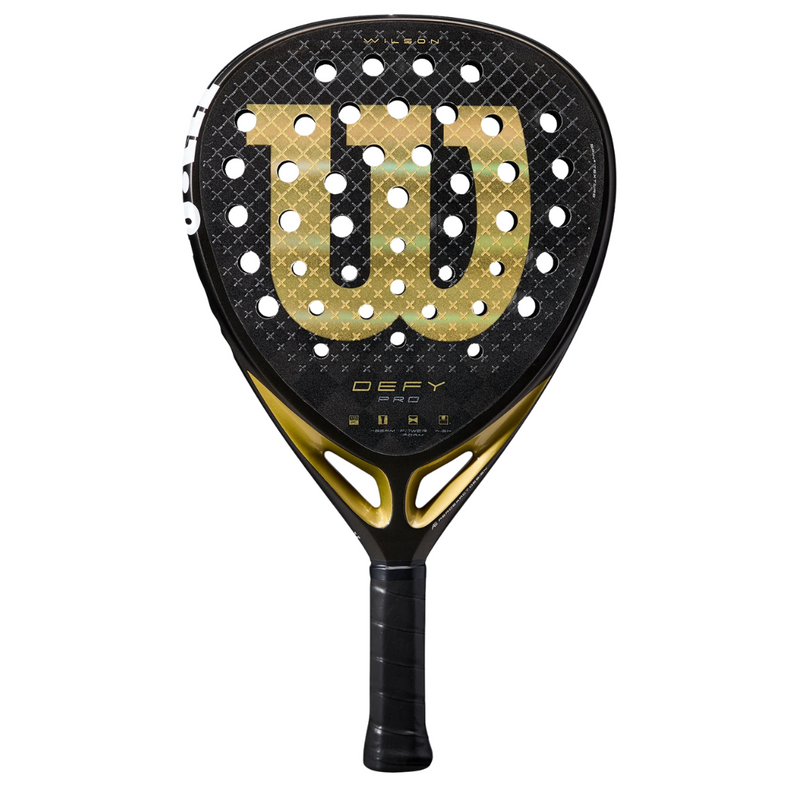
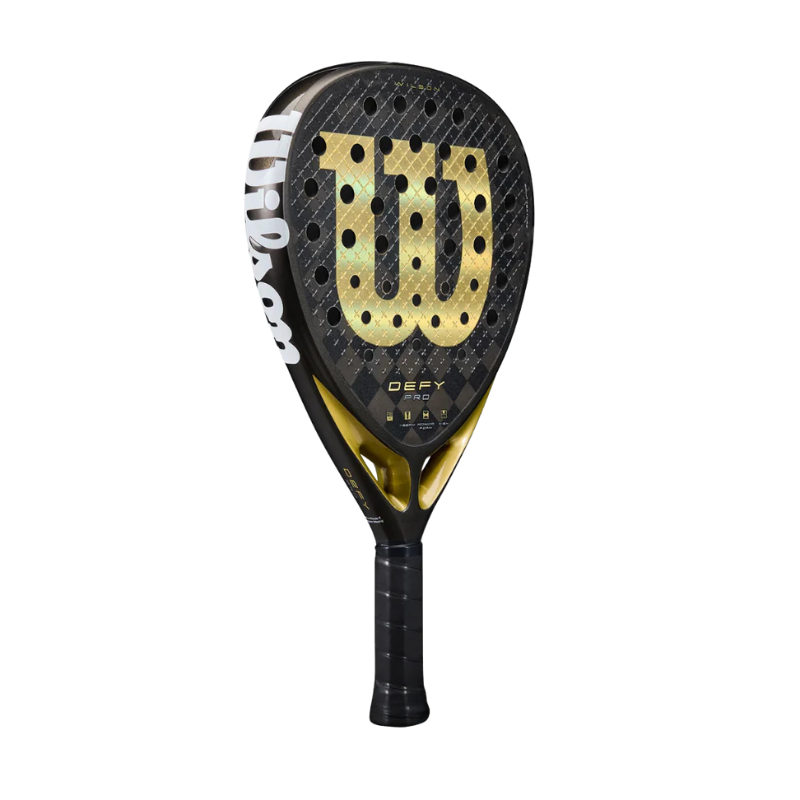
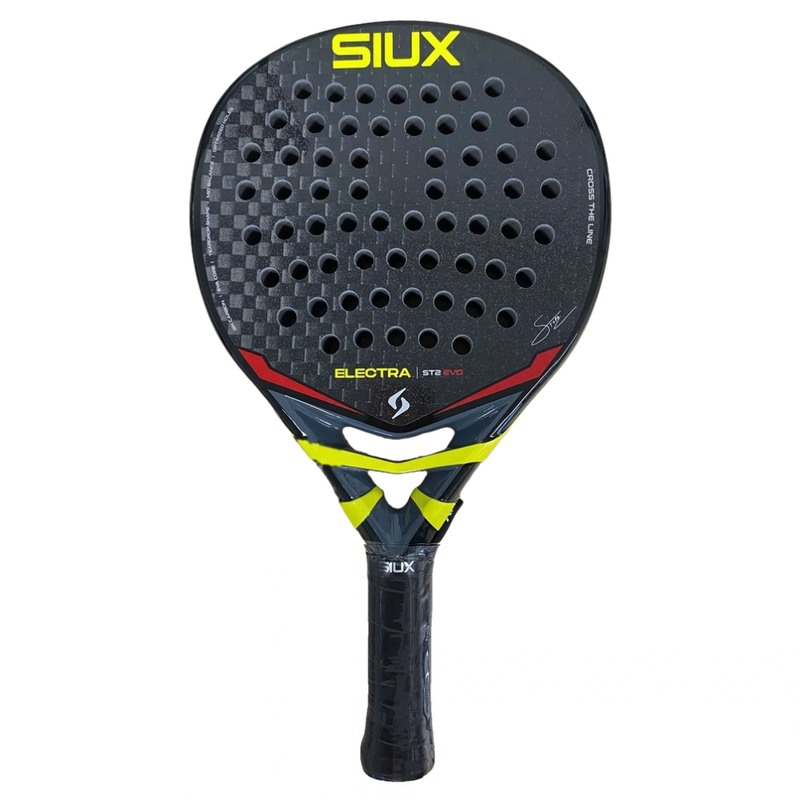
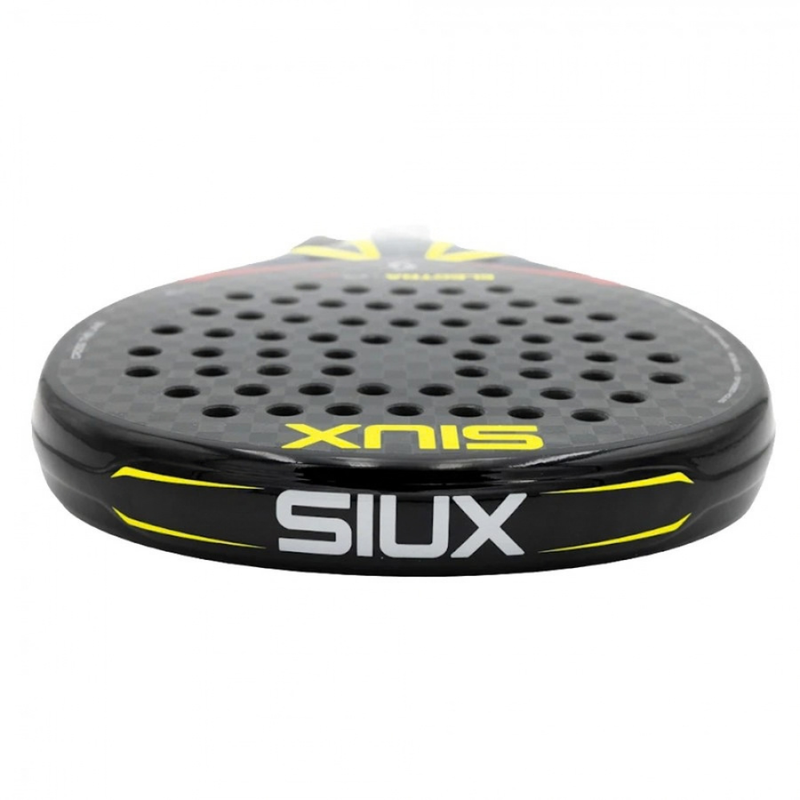
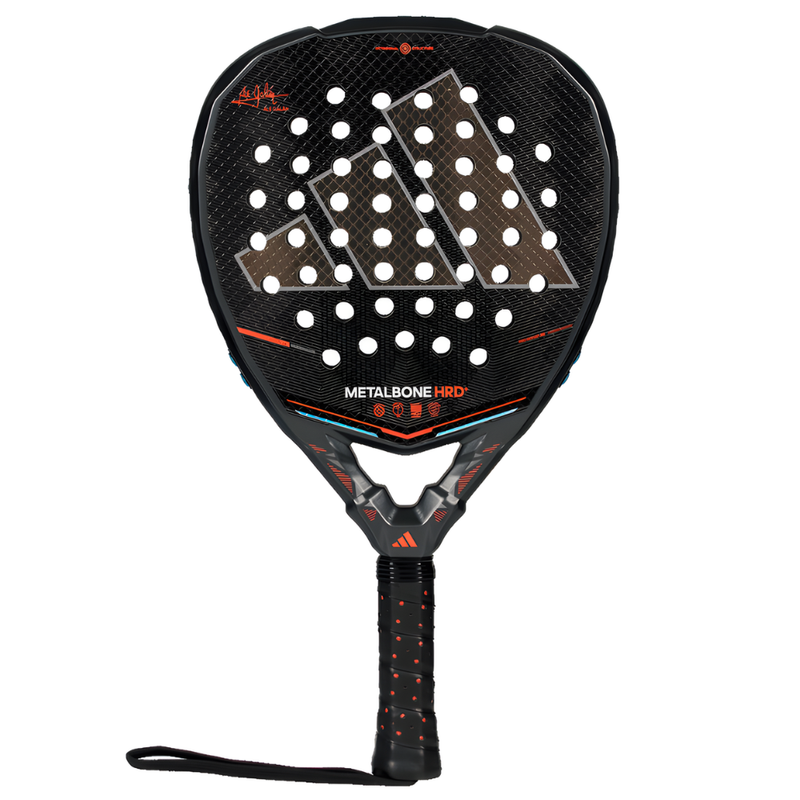
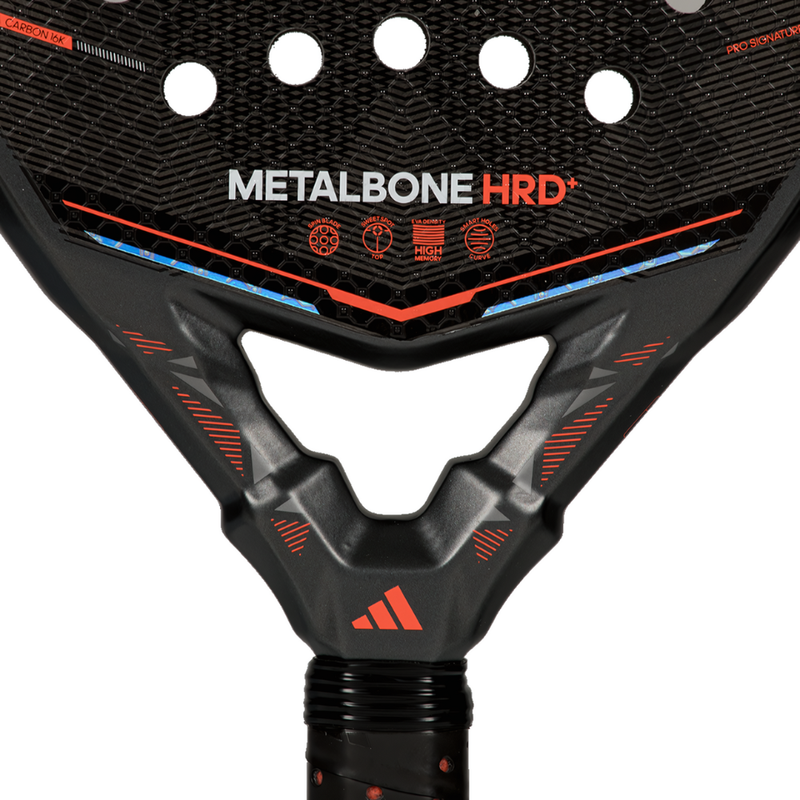


An expert padel racket is a demanding racket, often made of carbon, that offers power and precision to a player who has already mastered their technique. It is designed for players who compete in P500 or P1000 tournaments and train several times a week. At this level, choose the shape, carbon density and foam to suit your playing style.
How do you choose a padel racket at expert level?
At expert level, choose a racket based on three criteria: its shape, face material and foam. Every detail matters because you are already getting the most out of your racket.
Some clubs consider level 8 on their scale to be the start of expert level. To see where you stand, read our article on padel levels. If you are still improving, advanced-level rackets will be more forgiving.
| Criterion | Option | Effect on play | Which player is it for? |
|---|---|---|---|
| Shape | Diamond | Head-heavy balance, maximum power | Attacking player, often on the left |
| Shape | Teardrop | Intermediate balance, versatility | All-round player |
| Shape | Round | Handle-heavy balance, control | Defensive player, often on the right |
| Carbon | 3K | More flexible, better feel | Placement-focused player |
| Carbon | 12K to 18K | Stiffer, faster ball release | Power hitter |
| Foam | Soft | Comfortable impact, more control | Defensive play and touch |
| Foam | Hard | Crisp impact, more power | Attacking play |
Diamond, teardrop or round racket: which should an expert choose?
Shape depends above all on your playing style. A diamond racket puts the weight in the head: it adds power to smashes and ‘por tres’ shots, the smashes that send the ball out over the side walls.
The round shape brings the balance closer to the handle. It helps reduce errors and suits players who place their balls rather than hit them hard. The teardrop shape sits between the two and remains the most versatile.
Expert tip: a diamond racket with 18K carbon and hard foam is the most demanding combination for your arm. If you feel pain in your elbow, switch to soft foam before changing racket shape.
3K, 12K or 18K carbon: what’s the difference?
The number indicates how many thousands of filaments are in each carbon strand: the higher it is, the stiffer the face. 3K carbon offers more flexibility and feel, while 18K produces faster ball release.
At this level, almost all rackets are made of carbon. A few models combine carbon and fibreglass to favour control. The foam fine-tunes the feel: soft foam slows the ball and makes impact more comfortable, while hard foam returns it with more force.
Which rackets do professional players use?
Professional players use top-of-the-range models from leading brands. Explore Babolat rackets and Nox rackets, as well as Bullpadel and Wilson. Our article on professional players’ rackets looks at their choices in detail.
To choose between two models, compare them with El Comparator or find your racket in 3 clicks with El Selector. Esprit Padel Shop, affiliated with the Esprit Padel clubs in the Lyon region, offers advice tailored to your game, with delivery within 48 hours and a 4.9/5 rating on Google.
Selection updated in November 2026 with this season’s models.
FAQ: expert padel rackets
What racket weight is right for an expert padel player?
An expert player often uses a heavier racket than a beginner because the weight adds stability and power at impact. The right weight, however, depends on your physique and how often you play. A racket that is too heavy tires your arm towards the end of a match and increases the risk of injury. Try the racket over several sessions before choosing.
Is a carbon racket essential at expert level?
A carbon racket is the norm at expert level because it offers more power and precision than fibreglass. It does, however, require good technique, as it is less forgiving of off-centre hits. Some control-oriented players choose a carbon and fibreglass blend. The choice therefore depends more on your playing style than your level.
Do you need a diamond racket to play on the left?
A diamond racket is not essential for playing on the left, but it suits attacking players who finish points. The left-side player often smashes and benefits from the head-heavy balance of the diamond shape. A left-side player who prioritises consistency may prefer a teardrop racket. What matters most is how you construct points.
Which foam should you choose: soft or hard?
Choose soft foam if you want control and comfort, or hard foam if you want power. Soft foam absorbs impact better and slows the ball, helping you place your shots. Hard foam returns the ball faster but transmits more vibrations to your arm. Many manufacturers offer the same model in both versions.
When should you replace your padel racket at expert level?
An expert player generally changes rackets every season because they play often and wear out the foam more quickly. A worn racket loses responsiveness and becomes less precise. Watch for cracks in the frame and faces too. Changing when the new collections come out lets you benefit from the latest developments in carbon and foam.
Our products