FIND YOUR RACKET
 COMPARE MODELS
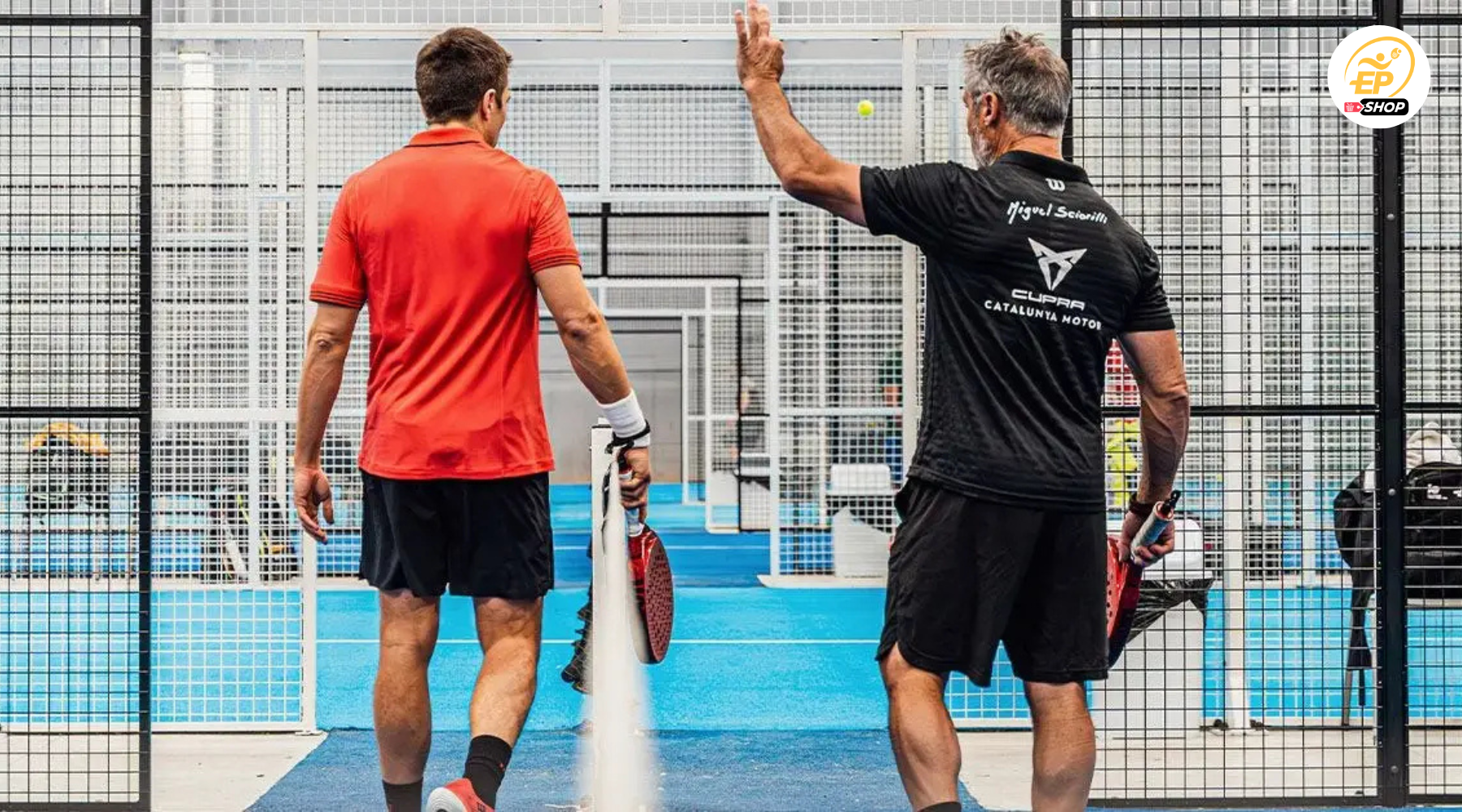
Becoming a padel coach means immersing yourself in a world where a passion for padel becomes a vocation, a role where every training session helps forge talent and shape the future of a rapidly growing sport. As well as being a fulfilling career, this path offers the opportunity to make a lasting impact on every player you support.
Ready to join the ranks of padel ambassadors in France? Here is your guide to getting there.
Reasons to become a padel coach
First, why choose a career as a padel coach? Beyond a love of the game, being a coach means much more than teaching techniques. It is about passing on values, supporting players in their progress, analysing their padel performance, and building their confidence on court.
As a padel coach, you will also be an ambassador for this sport to an ever-growing audience. The French Tennis Federation (FFT), in particular, offers suitable training pathways to best supervise future coaches, guaranteeing you a solid skills base and professional recognition.
Qualifications and training to become a padel coach
To teach, it is essential to master not only the technical aspects, but also to have teaching knowledge. The TFP diploma (Titre à Finalité Professionnelle), recognised by the FFT, is a major asset for those wishing to become padel coaches. This qualification validates not only your sporting skills, but also your ability to effectively pass on your knowledge.
Where can you train?
Many centres in France, particularly in Paris and other major cities, offer training courses and workshops for padel coaches. There, you will learn how to teach the fundamental shots – from the padel forehand to defence – and how to adapt your lessons to the needs of different player levels, for example to become a children's padel coach. With training options for amateur and professional coaches, there is something for every level.
Mistakes to avoid in padel coaching
Even with solid training, certain pitfalls can hold back a beginner coach. One of the most common mistakes is to neglect mental preparation for players' padel. Indeed, padel is as tactical as it is technical, and helping players manage their stress, improve their concentration, and strengthen their motivation is essential for achieving results in the long term.
Tips for successful coaching
A good coach must have a strong command of the technical fundamentals, to explain how to master the serve or net play. But they must also know how to adapt their teaching style, particularly according to the players' level and expectations. A flexible, individualised approach enables students to improve at padel more quickly while enjoying the game. Analysing performance is essential to identify each player's strengths and areas for improvement. Helping players avoid common mistakes when starting padel is also a crucial part of your role as a coach.
Refining techniques
A good coach knows that padel requires a subtle balance between attack and defence, and mastering different shots is essential for progress. Defensive play, for example, is crucial for returning difficult balls, allowing players to stay in the rally and gradually build a favourable position. Conversely, net play is the key to finishing points effectively, as this area is often where the outcome of an intense rally is decided. As for the padel lob, it is a highly effective shot for surprising the opponent, forcing them to move back and providing an opportunity to regain the initiative.
Other shots such as the forehand and backhand form the technical foundation needed to control the pace of the match. Finally, the bandeja, a padel-specific shot, allows you to defend a high ball without losing control of your position at the net. Mastering this range of shots makes players versatile and able to adapt their game to every situation, a valuable asset that every coach must instil in them to excel in this sport.
Career opportunities and progression
As a padel coach, opportunities are numerous and can evolve according to your experience and specialisms. Some coaches prefer to work in clubs, while others specialise in competition coaching, with promising young players, or with specific groups such as children or female padel players. Safety, prevention of common padel injuries and supporting technical development are also key skills to acquire and pass on.
Why specialisation can make a difference
To stand out, some coaches choose to specialise in a specific area, such as coaching children or advanced players. By diversifying your skills and specialising in a specific field, you can attract a particular audience and establish yourself as a reference in your field. Specialisation can also open doors to advanced certifications and federation training courses.
The importance of equipment for a coach
As a coach, it is essential to know the equipment well, as it directly influences your students' performance. Good padel shoes are essential for preventing injuries and improving stability on court. As for rackets, it is vital to know how to advise each player according to their level and playing style. A well-informed coach will be able to guide their students towards the right equipment to optimise their results.