
 FIND YOUR RACKET
 COMPARE MODELS


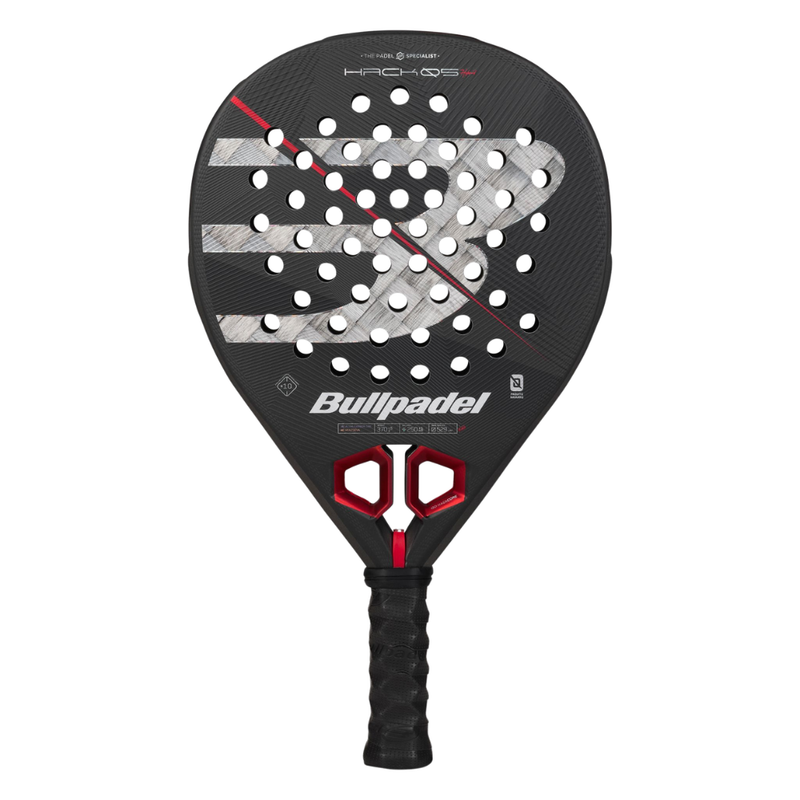


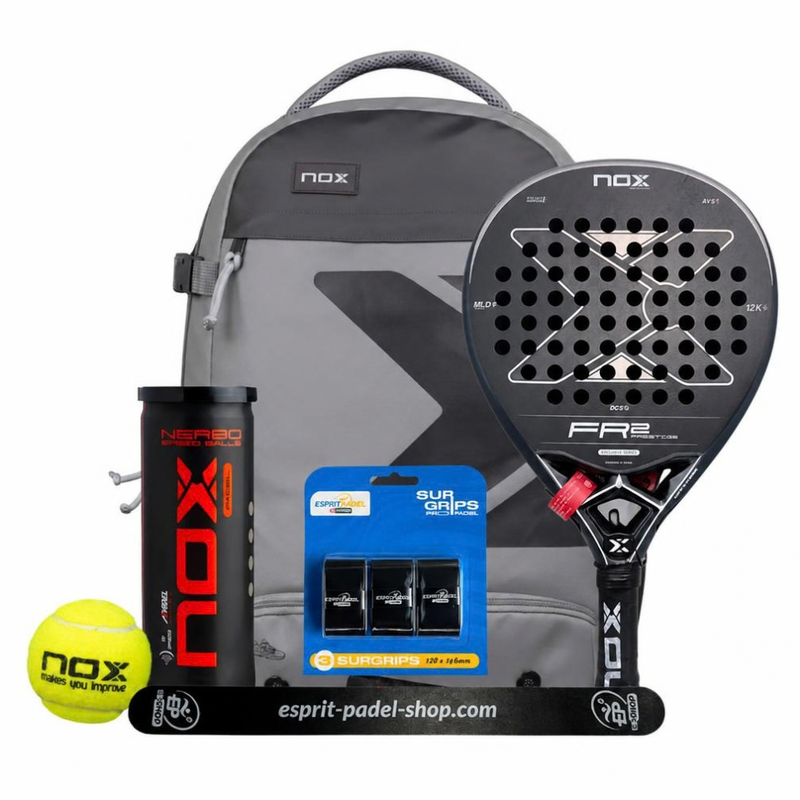


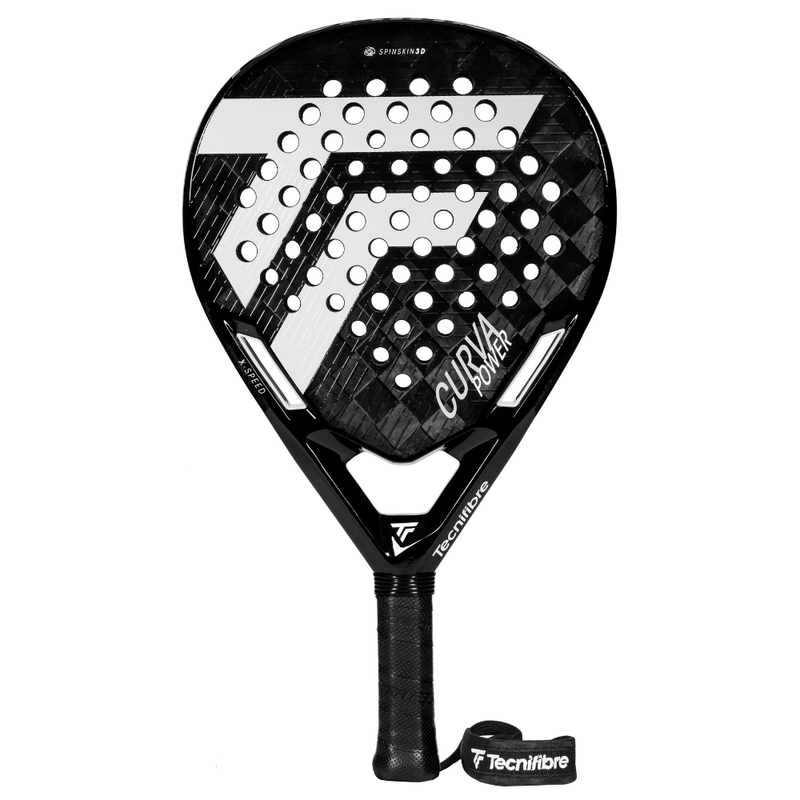


An expert padel racket is a carbon racket, often stiff, designed for players who compete in P500 or P1000 tournaments. Our selection brings together high-end models from leading brands, from Agustín Tapia’s Nox AT10 to the Head Coello Pro. Shapes, foams and balances vary to suit every playing style.
Which racket shape should you choose at expert level?
A racket’s shape determines where its ideal contact point, also called the sweet spot, sits. At expert level, choose a shape based on your position on court and how you finish points.
The diamond shape puts the weight towards the racket head. It suits attackers, often left-side players, who finish points with a smash. The round shape brings the balance closer to the handle and is more forgiving of off-centre hits. It suits defenders who build the point. The teardrop shape falls between the two and suits versatile players.
| Criterion | Option | Feature | Which player is it for? |
|---|---|---|---|
| Shape | Diamond | Head-heavy | Attacker, power on the smash |
| Shape | Teardrop | Intermediate balance | Versatile, in attack and defence |
| Shape | Round | Weight towards the handle | Defender, control and forgiveness |
| Foam | Hard / stiff | Lively ball response | Hard hitter, attacking play |
| Foam | Intermediate | Balanced feel | Balance between power and comfort |
| Foam | Soft / comfortable | Cushioned impact | Touch player, sensitive arm |
Hard or soft foam: which feel suits an expert player?
The foam, also called the core, sits between the racket’s two faces. It determines ball release and comfort on impact.
Hard foam returns more energy on fast shots and gives power to players who hit hard. Soft foam cushions the impact, slows the ball and provides control. Manufacturers often combine these features: a diamond shape can have intermediate foam for greater forgiveness.
Expert tip: hard foam needs a full, fast swing to perform well. If you have elbow pain, switch to intermediate foam before changing racket shape.
Why does carbon dominate expert-level rackets?
Carbon is used in almost all expert-level rackets. Stiffer than fibreglass, it delivers power more effectively and makes shots more precise.
The number followed by K indicates how many thousands of filaments make up each carbon thread: 3K, 12K or 18K. 3K carbon is more flexible and forgiving than 18K, which feels firmer and more responsive. The surface matters too: 3D texture and sandblasted finishes grip the ball to generate spin.
To narrow down your choice, find your racket in 3 clicks with El Selector or compare two models with El Comparator. You can also try before you buy with our test padel rackets. Not at expert level yet? Explore our advanced-level rackets.
Our article on padel skill levels helps you work out where you stand, and the padel glossary explains each technical term. For training, consider boxes of padel balls.
Selection updated in October 2026 with 2026 and 2027 models. Esprit Padel Shop is rated 4.9/5 based on 2,703 Google reviews. Free delivery on orders over €80 within 48 hours, and if your racket has a manufacturing defect, it will be replaced.
FAQ
What is an expert-level padel racket?
An expert-level racket is a premium racket, almost always made of carbon, designed for players with well-developed technique. It prioritises power and precision over forgiveness. It is generally intended for players at level 8 or above who play several times a week and compete in tournaments.
Diamond shape or round: which should expert players choose?
The diamond shape suits attackers who want to finish with a smash, thanks to its head-heavy weight distribution. The round shape suits defenders seeking control, with the balance close to the handle. If you alternate between the two roles, the teardrop shape offers a compromise. Whether you play on the left or right often guides this choice.
3K, 12K or 18K carbon: what’s the difference?
The number indicates how many thousands of filaments make up each woven carbon strand. 3K carbon offers a softer, more forgiving feel. 12K or 18K carbon makes a racket stiffer, more responsive and more demanding. Expert players who hit hard often prefer higher filament counts, provided their arm is in good shape.
Should you choose your favourite professional player’s racket?
A professional player’s racket is only a good choice if your playing style is similar to theirs. The Nox AT10, for example, was developed around Agustín Tapia’s game. Before buying, compare its shape, foam and balance with your own playing style. El Comparator lets you put two models side by side in seconds.
Can you try an expert-level racket before buying it?
Yes, Esprit Padel Shop offers a selection of test rackets so you can try a model before buying it. This is useful at expert level, where a difference in foam or balance can noticeably change how a racket feels. Browse the Test rackets collection to see the available models and their terms. Our team can also help you find the most suitable model.
Our products


