FIND YOUR RACKET
 COMPARE MODELS
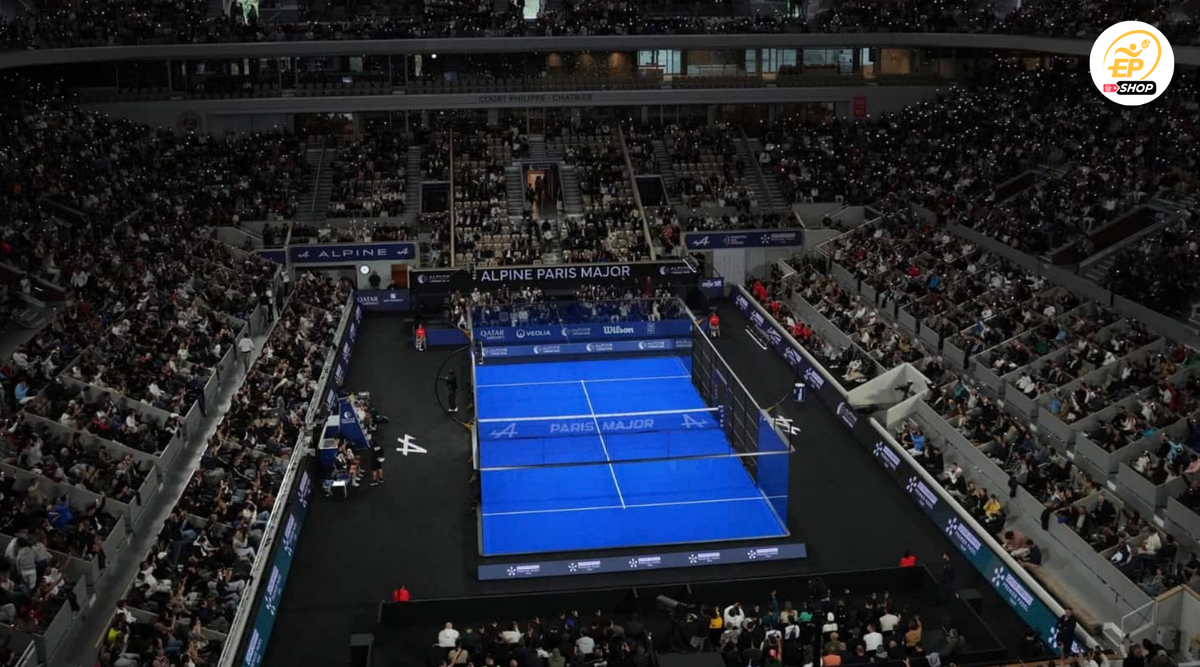
Padel is a rapidly growing sport that attracts more and more enthusiasts, who play padel in France and abroad. Organising a padel tournament can be an exciting challenge, but it requires careful planning.
In this article, we will explore the essential steps to help you organise a successful padel tournament, whether it is intended for amateurs or professionals.
What are the steps to organise a successful padel tournament?
Before diving into the details, clarify the objective of your padel tournament. Is it a profit-making event or a promotional opportunity? Who is your target audience, from amateurs to professionals? These crucial questions will guide the planning of your tournament.
Choosing the tournament date and duration is a crucial step in planning. To ensure the success of your padel tournament, it is essential to plan these aspects carefully. Here are some factors to consider:
Choosing the date
Make sure to check the calendar of major sporting events in your region: avoid scheduling your tournament at the same time as other events that could create unwanted competition.
If you are targeting professional players, choose a date that suits their competition schedule. For amateurs, a weekend or public holiday may be more suitable.
Finally, take into account local weather conditions. Padel is played outdoors in many regions, so a favourable season with mild weather is essential.
Tournament duration
A padel tournament can vary in duration. You can opt for an intense one-day tournament or an event held over several days, such as a weekend tournament. The duration will depend on the complexity of the format you have chosen and the expected number of participants.
If you plan to organise a tournament over several days, schedule breaks so participants can rest and prepare properly for subsequent matches.
Tournament format
A crucial aspect of planning a padel tournament is choosing the format. Each format offers a different experience and suits various tournament objectives. Here are some common options:
Round-robin tournament
Round-robin tournaments, also known as "all-play-all" leagues, consist of an initial group stage made up of super tie-breaks followed by a final knockout stage. This format is ideal for short best-of-three-set matches. It encourages intense competition and allows each team to play against several opponents. P25 tournaments (the lowest tournament classification) often use this type of format.
Open knockout tournaments
Open knockout tournaments are the most common format. Pairs face each other in a match determined by a draw. Only winning teams progress to the next tour. It is a simple and effective format suitable for a wide range of tournaments.
Padel marathon
Marathon-style tournaments are a unique challenge. Matches take place continuously for 12 or 24 hours, with a limited duration per match. Teams accumulate points throughout the event. It is an intensive format that tests players' endurance.
Promotion and relegation
Promotion-relegation tournaments aim to fill all available padel courts and to ensure that every team plays. Matches are short (one set or 30 minutes), and teams move up or down a level based on their results. It is an inclusive format that allows every team to participate actively. You can even decide to organise matches where participants play one-on-one padel.
How do you organise an FFT-approved tournament?
If you wish to organise a tournament approved by the French Tennis Federation (FFT) - which issues padel licences - there are specific steps to follow. The FFT only approves tournaments organised by affiliated entities, such as departmental committees, regional leagues or padel clubs. You must also comply with the FFT sporting regulations and the official rules of padel.
To obtain FFT approval, follow these steps:
Step 1: Affiliation with the FFT
For your padel tournament to be approved by the FFT, you must be affiliated with this federation or partnered with an affiliated entity. Make sure you meet all affiliation requirements and provide the necessary information to the FFT.
Step 2: Compliance with regulations
Your tournament must comply with the FFT sporting regulations, which set the standards for organising padel competitions. Ensure that your tournament format, qualification criteria, match durations and age levels comply with FFT guidelines.
Step 3: Using the ADOC application
All FFT-approved padel tournaments must use the ADOC application to submit an approval request to their league. This application facilitates the monitoring and management of tournaments, as well as communication with the FFT.
Categories and gender
Do not forget to define level categories and gender categories (men, women, mixed) according to the number of participants and their abilities. Level categories are represented by the points earned by the winner (P25, P100, P250, P500, P1000, P2000) in the French player rankings.
How does ranking work during a padel tournament?
Padel ranking tournaments aim to group teams of similar levels. Several categories or groups are created based on previous results. Each group plays in a league format where all teams meet. Winning teams move up a level, while lower-performing teams move down. This allows for balanced and stimulating matches for all participants.
Padel tournament: what about the budget?
Budget forecasts
Financial planning is essential to the success of your padel tournament. You will need to establish a realistic budget, taking into account the following costs and sources of income:
Organisation costs
- Venue hire : Calculate court rental fees, including hourly or daily costs.
- Welcome pack : If you offer a welcome pack to participants, include design and supply costs.
- Prizes : Allow for expenses related to trophies, medals or other prizes for winners.
- Balls : Assess the cost of padel balls, taking into account the number of matches planned.
- Staff : If you hire staff for organisation, refereeing and keeping score in your padel matches, or other duties, include their salaries.
Sources of income
- Registration fees : Participant registration fees are generally the main source of income. Set appropriate rates according to categories and levels.
- Partnerships/Sponsors : Seek partners or sponsors who can contribute cash or in kind (equipment, services or promotion) to reduce costs.
In summary, careful planning of the date, duration, format, required resources and financial forecasts is essential for organising a successful tournoi de padel. By keeping these elements in mind and adapting your plan according to your objectives, you can create a memorable event for players and spectators alike!
Organising a padel tournament requires careful planning, whether it is intended for amateurs or professionals. By clearly defining your objectives, planning the date and duration, choosing the right format, arranging the necessary resources and setting a realistic budget, you can create an unforgettable event.
If you are seeking FFT approval, follow the specific steps to ensure that your tournament complies with official padel standards.