FIND YOUR RACKET
 COMPARE MODELS
Why practise a complementary sport alongside padel?
In all sports, practising a complementary activity helps you become more well-rounded, more resilient and perform better.
This is the principle of cross-training, used by both amateurs and professional athletes. It involves incorporating a second physical activity into your routine to develop other physical qualities than those used in your main sport.
In the case of padel, which is an intense, fast-paced, technical and very demanding racket sport for the feet, shoulders and lower back, this cross-training makes perfect sense. It helps improve physical fitness, prevent pain and progress faster while preserving the enjoyment of playing.
The best complementary sports for padel
Alongside your padel drills, here is a list of sports you can include in your physical preparation for padel.
1. Running: for endurance and active recovery
Running, whether on trails or roads, is ideal for developing cardiovascular endurance. It improves recovery capacity between points, as well as the ability to manage long tournament matches.
Tip: 1 to 2 outings of 30 to 45 minutes per week at a moderate pace are enough. Trail running is particularly beneficial for strengthening the ankles and calves and improving balance.
Running can also be part of your padel warm-up, but keep to a moderate pace for 5 to 7 minutes so you don’t tire yourself out.
2. Fitness and weight training: for a more resilient body
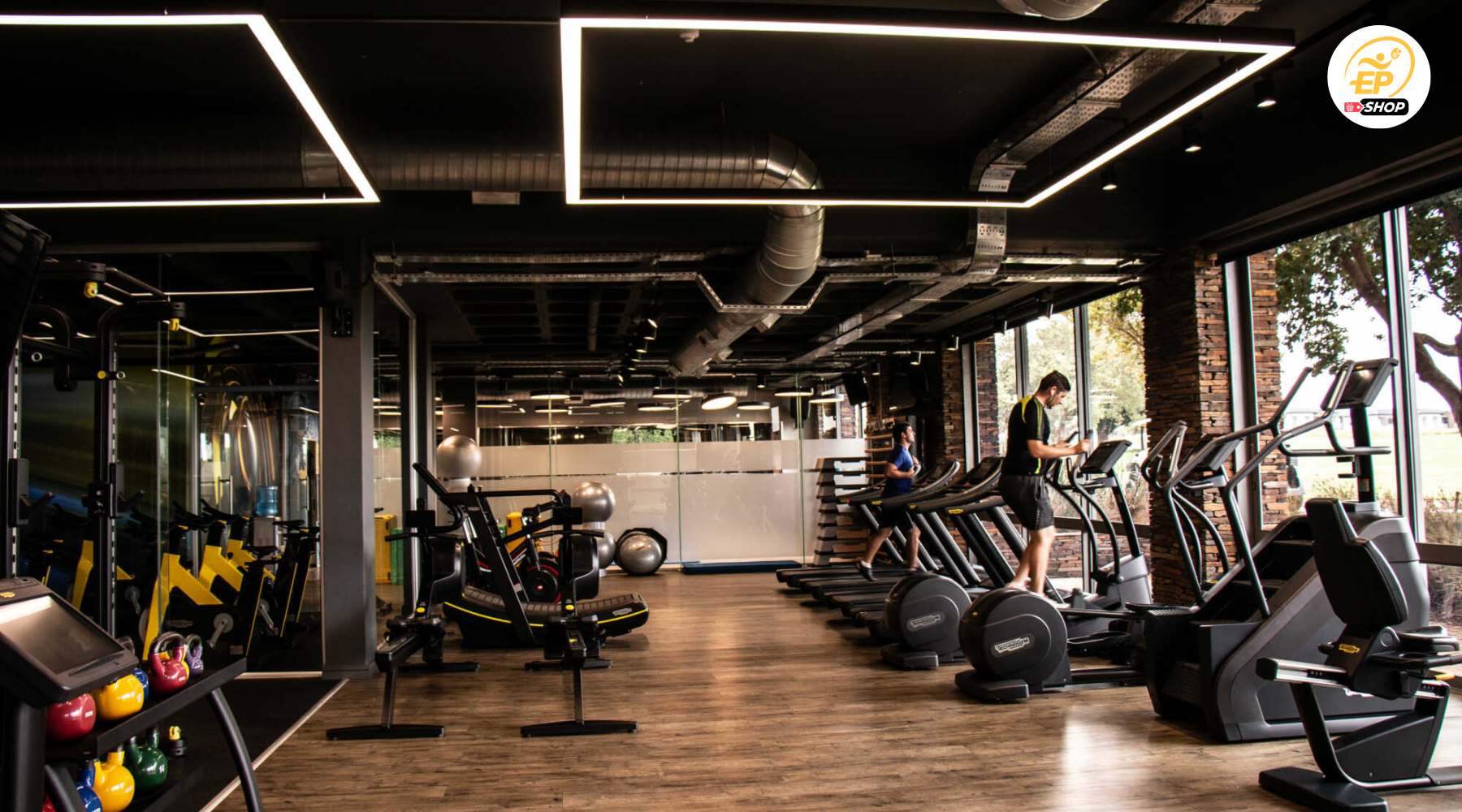
Fitness, cross-training or functional weight training help balance muscular work, strengthen the core, legs and shoulders, and prevent pain caused by repetitive technical movements in padel.
Recommended exercises:
- Core strengthening (static and dynamic)
- Strengthening the glutes and hamstrings
-
Joint mobility (shoulders, hips)
3. Yoga or Pilates: for flexibility and recovery
Yoga, postural stretching or Pilates are excellent for:
- Improve muscle flexibility
- Work on breathing and concentration
- Promote better posture
-
Speed up recovery and limit chronic tension
4. Squash or tennis: for technique and tactics
If you know a little about the history of padel, you’ll probably know that padel evolved from tennis. So if you already play another racket sport, good news: you can draw on that experience to improve your padel game.
- Tennis helps develop power and shot accuracy.
- Squash improves reflexes, reading of the game and movement over short distances. For more on squash, see this article: differences between squash and padel.
-
Badminton works explosive power and leg agility.
Be careful, though: some movements are specific to each sport. You need to adapt your technique so it doesn’t hinder your progress in padel. And, of course, to play padel you’ll need specialist equipment such as padel shoes or a padel racket.
5. Cycling: for endurance and joint recovery
Cycling, outdoors or indoors (spinning), is an interesting alternative to running, especially in the event of joint pain. It helps to:
- Improve endurance without impact
- Strengthen the thighs and calves
-
Maintain good overall physical fitness
Complementary sports according to your player profile
Beginner or recreational player
Objective: develop a versatile physical base, avoid injuries.
Recommended: brisk walking, light fitness, yoga, swimming
Competitive or regular player
Objective: boost performance, refine tactics.
Recommended: running, weight training, squash, padel-specific training
Senior or returning player
Objective: mobility, flexibility, maintaining physical abilities.
Recommended: Pilates, cycling, gentle strengthening, active stretching
Not sure of your level or which areas of your game need improvement? Take stock by reading this article on padel performance analysis.
What complementary sports do padel pros practise?
Do you follow news about padel and global trends, particularly professional players? You’ll know that they regularly incorporate other sports into their physical training. Their aim is to achieve a high level of performance while reducing the risk of overtraining.
Benjamin Tison (France)
The French player relies on a complete programme including:
- targeted weight training (shoulders, legs, core strengthening)
- regular cardio, often running or cycling
-
mobility and stretching sessions, especially for preparation and recovery
Juan Lebrón
The former world No. 1 works on:
- explosive power through plyometric exercises
- agility and responsiveness through circuits combining padel-specific movements and speed exercises
-
mental training through yoga and breathing sessions
Other options
Some pros also incorporate:
- crossfit for overall strength and muscular endurance
- swimming to train without joint impact
- fun sports such as table tennis or 3x3 basketball, for coordination and relaxation
Visit the Esprit Padel e-shop to explore collections from the brands used by top professional players, and shop their padel bags or padel clothing.
How can you incorporate a complementary sport into your padel routine?
Do not overload your schedule
There is no need to do 6 training sessions per week. It is better to add 1 or 2 complementary sessions of 30 to 60 minutes, depending on your availability. The aim is to improve your padel level, not exhaust yourself.
Alternate intensity and recovery
If you have an intense padel match, opt for a gentler activity the next day (cycling, yoga, walking). Conversely, a day without padel can include a more physical session (weight training, running…).
Adapt according to the season
Winter is often conducive to base training (endurance, weight training), while summer can focus more on active recovery and technique.