FIND YOUR RACKET
 COMPARE MODELS

The world of racket sports is buzzing. Tennis may have dominated for years, but newcomers (and older sports making a comeback) are shaking things up in sports clubs. Between pickleball, racquetball and padel, it can be hard to keep track. Although these sports have things in common — a ball, fired-up players and a racket in hand — they offer very different experiences and rules.
Why is padel booming in France? Why is pickleball taking the United States by storm? And what is racquetball, this new racket sport?Let’s explore what sets these three sports apart to help you find your next favourite.
Padel: the phenomenon transforming clubs
Padel is arguably the fastest-growing racket sport in the world, with truly spectacular growth. Born in Mexico in the 1960s before taking Spain by storm, it is now governed by the International Padel Federation (FIP).
A court like no other
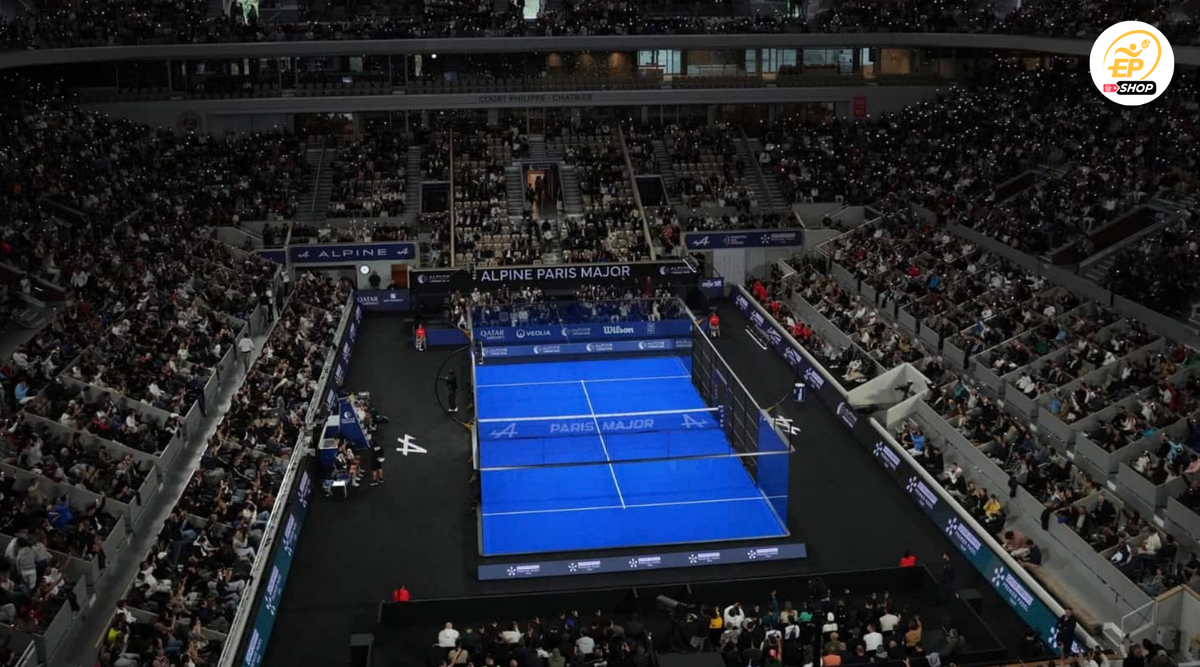
A padel court (often called a piste) measures 10x20 metres. Its defining feature is its glass walls and mesh fencing. Here, the wall is an ally, not an obstacle: you can let the ball bounce off the glass before returning it, keeping rallies going for much longer.
Equipment and feel
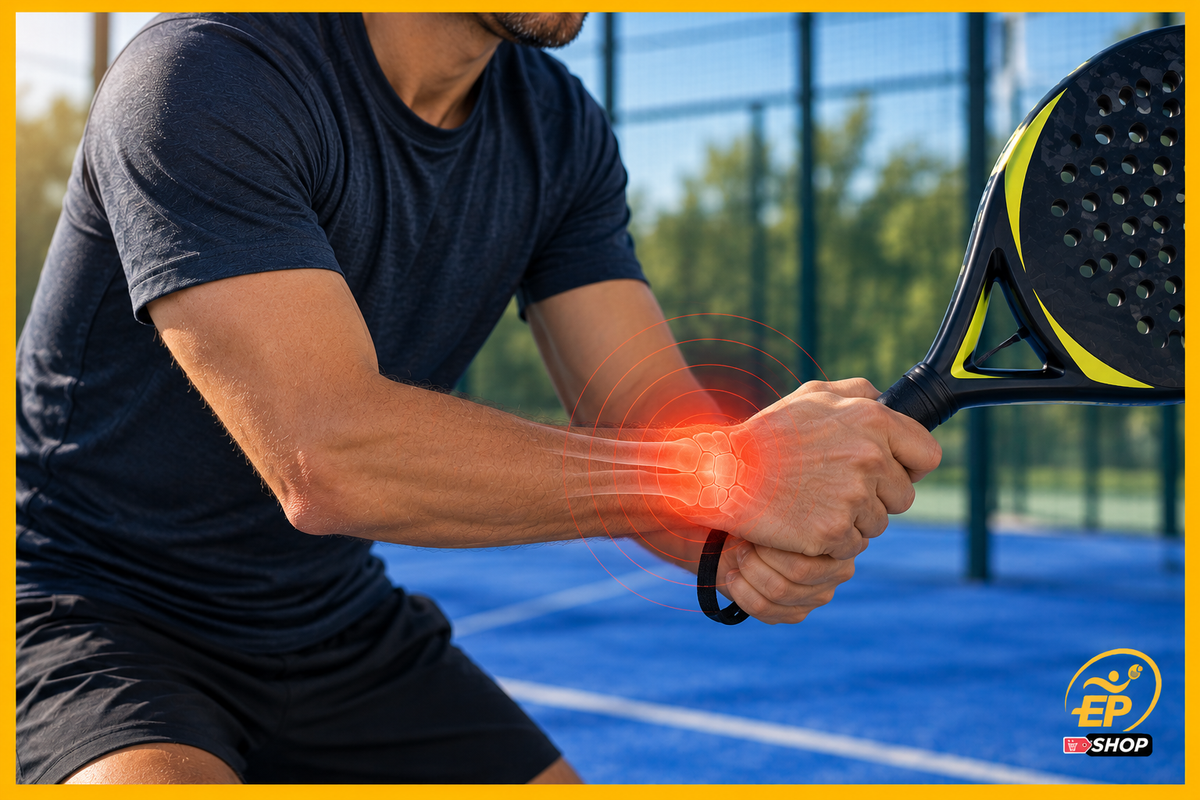
To play, you use special padel rackets without strings, often made from materials such as carbon or fibreglass. The ball looks like a tennis ball but has lower pressure, favouring control over pure power.
-
Explore our selection: Find your next padel racket here.
Pickleball: a clever blend of tennis and badminton
If you’ve been looking into sporting trends across the Atlantic, pickleball comes out on top. A true mix of tennis, badminton and table tennis, it’s an extremely accessible sport.
What makes the game different
Pickleball is played on a smaller court than tennis (the size of a badminton court). The racket has a solid face and is larger than a table tennis bat but smaller than a padel racket. The ball is made of perforated plastic, which limits its speed and makes the game highly strategic.
The serve must be underarm, and scoring works differently, often going up to 11 points. It’s a very sociable sport where positioning matters more than brute strength.
Racquetball: squash’s high-energy cousin
Often confused with squash, racquetball has its own rules and a distinct identity. Unlike padel or pickleball, it is generally played indoors.
Speed and physical intensity
Racquetball is played on an enclosed court where every surface (walls and ceiling) can be used to bounce the ball. The racket has strings, and the ball is made of highly bouncy rubber. It’s a physically intense game. The ball flies around, reflexes are pushed to the limit, and the strategy is to use the angles so your opponent can’t reach the ball before its second bounce.
Why is padel winning the match in France?
Since arriving in France, padel has grown at an astonishing rate and is outpacing its rivals. Why has it grown so quickly?
-
The social side: Playing with four people in a compact space encourages conversation and laughter.
-
The learning curve: Unlike tennis, which demands a lot of technique, padel is fun from the first hour of play.
-
Equipment: Beyond the racket, good padel shoes are essential for helping prevent injuries on synthetic turf.
Important note: You’ll often hear this sport called "paddle". Be careful not to confuse the water sport performed on a board with the racket sport! For more details, read our article: Paddle or padel? We explain it all.
Conclusion: the key takeaways
Whether you’re drawn to the strategy of pickleball, the intensity of racquetball or the playful side of padel, what matters most is enjoying yourself on the court. Each sport brings its own benefits for your physical and mental wellbeing.
If you choose padel, make sure you have quality padel balls for an optimal bounce off the glass. And if you’re just starting out, take a look at our guide: Understanding the rules of padel.
-
Padel stands out for its glass walls, which are part of the game, and the fact that it must be played in doubles.
-
Pickleball is the easiest to pick up technically, using a plastic ball and a smaller, badminton-sized court.
-
Racquetball is the fastest and is played indoors, with even the ceiling part of the playing area.
-
Equipment: Each sport requires its own standard equipment (the right type of rackets and balls) to play safely.
-
Accessibility: Padel is seeing the strongest growth in Europe thanks to its ultra-social, fun nature.