FIND YOUR RACKET
 COMPARE MODELS
Imagine yourself on the court, racket in hand, heart pounding. Every shot, every step, every rally is an opportunity to dominate the match. But why do some points slip through your fingers? How do the best players analyse their game to keep improving?
Performance analysis is not just a stage in training; it is the secret behind every improvement. Discover how to transform your view of padel to reach unexpected levels and sharpen your game like never before.
Why analyse padel performance?
Analysing your padel performance gives you a comprehensive view of what you can improve, whether that means adding power to your backhand, optimising your positioning on court or better anticipating your opponent’s movements. A thorough analysis helps you improve, make better decisions during play and adapt your strategies to your partner’s and opponents’ playing styles.
It’s even more essential for competitive players looking to stand out in padel tournaments, and indispensable for professional players on the World Padel Tour.
Tools and methods for analysing performance
Video and match recording
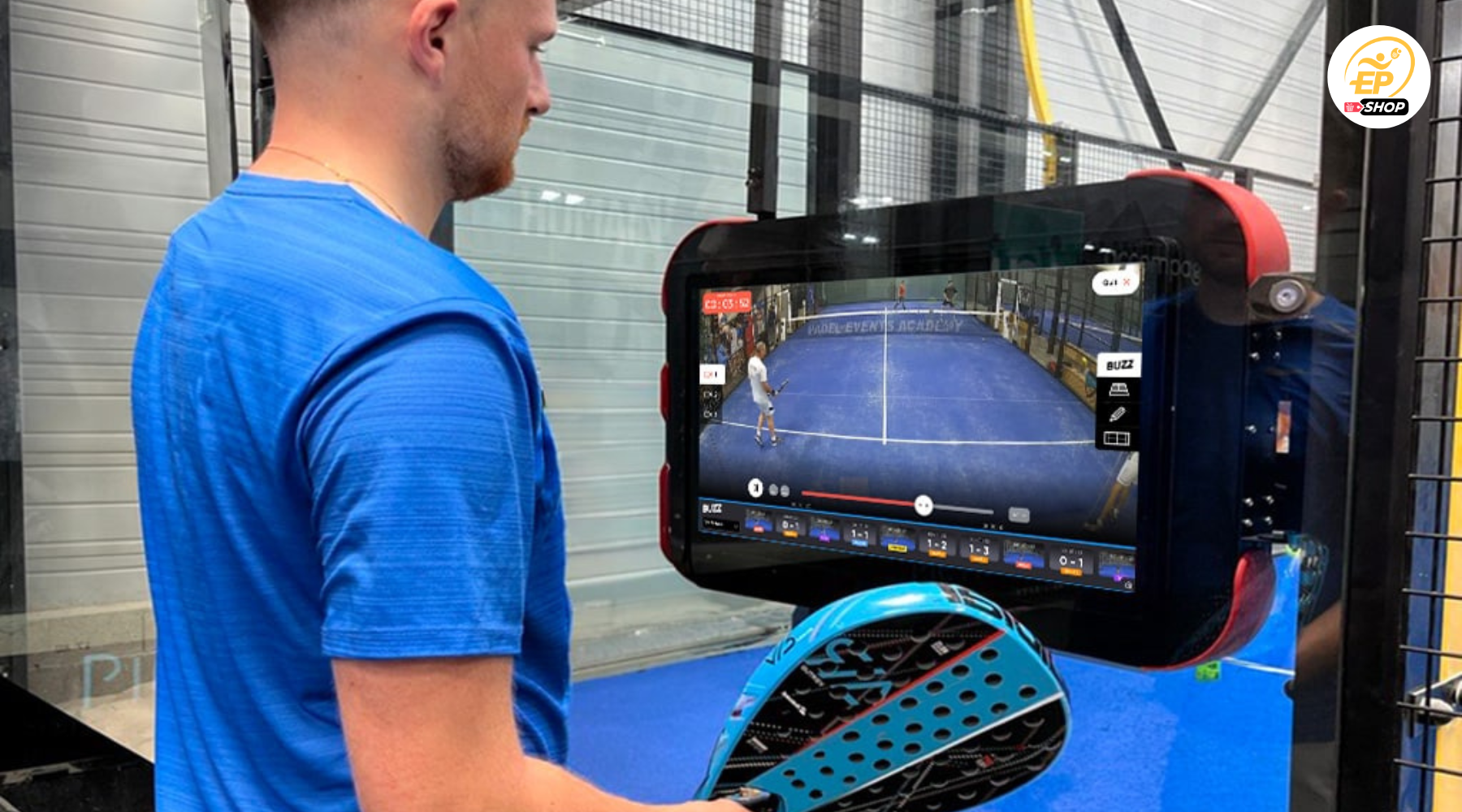
Using video is one of the most effective ways to assess your game. Filming your matches or training sessions allows you to review every point, every shot and every serve from different angles. By watching your matches afterwards, you can spot habits, technical errors and weaknesses in your style of play.
This visual analysis also gives you the opportunity to compare your game with that of other players, particularly during competitions or training camps, and identify areas for improvement to progress.
Statistics and point counting
Another essential tool for analysing performance is keeping track of successful points and errors. Noting the number of missed serves, successful volleys and poorly executed forehands is a good way to identify areas to work on first. Some specialist software can even provide detailed statistics on how successful your shots are depending on your opponent, the type of court or the match conditions.
Technical and physical assessment
Analysis is not limited to technical aspects; the physical component also plays an essential role. Padel places intense demands on the body, particularly for fast, explosive movements. To improve your performance, it is therefore crucial to work on targeted exercises to build speed, power and stability. Physical analysis also includes assessing resilience and endurance, which are essential for maintaining a consistent level of play throughout competitions.
Key points for effective performance analysis
Technique and shot selection
Every player has a unique playing style, shaped by their techniques and ability to execute certain shots accurately. Performance analysis should therefore include an assessment of technique on key shots: the forehand, backhand, volleys, serve and lob.
The aim is to determine which shots you excel at and which require in-depth technical work. Specific drills and intensive training sessions help perfect the technique of each shot.
Strategy and court positioning
Good positioning on court can make all the difference at key moments in a match. Analysing your positioning and your partner’s should include your ability to anticipate your opponents’ movements and adjust your position to the situation. For example, it may be wise to stay in defence during certain rallies or move up to the net to gain an advantage.
Mental preparation
Beyond technique and strategy, the mental aspect is crucial in padel. The ability to stay focused, manage pressure, and bounce back after difficult points is often what distinguishes a good player from an excellent one. Good mental preparation helps strengthen your resilience in stressful competition situations. It also allows you to adapt your mindset to make the most of every match.
To explore this topic further, read our article on the importance of mental preparation for padel.
Accessories and equipment: an underestimated influence
Your choice of equipment, particularly padel shoes, can affect your performance. Good equipment gives you better control over your movements and reduces the risk of injury, especially for players at intermediate to advanced level. You should also choose a racket to suit your playing style. For example, the best padel rackets for power players are not necessarily the best choice for those who rely more on control.
Our guide to choosing padel shoes will help you find the pair that suits you best.
How can you measure your progress over the long term?
Tracking and comparing results
Measuring progress also means comparing your performance over the months. Tracking your scores, shot success rates and physical development is essential to identify where you’ve improved. You can also enter padel tournaments to test your skills and get valuable feedback on how your level compares with other players.
Sharing and teamwork
As padel is a team sport, working closely with your partner is beneficial. Team analysis helps you understand what adjustments to make to optimise your coordination and develop suitable strategies. Working with a padel coach is also a good option for getting professional advice and personalised support.