FIND YOUR RACKET
 COMPARE MODELS
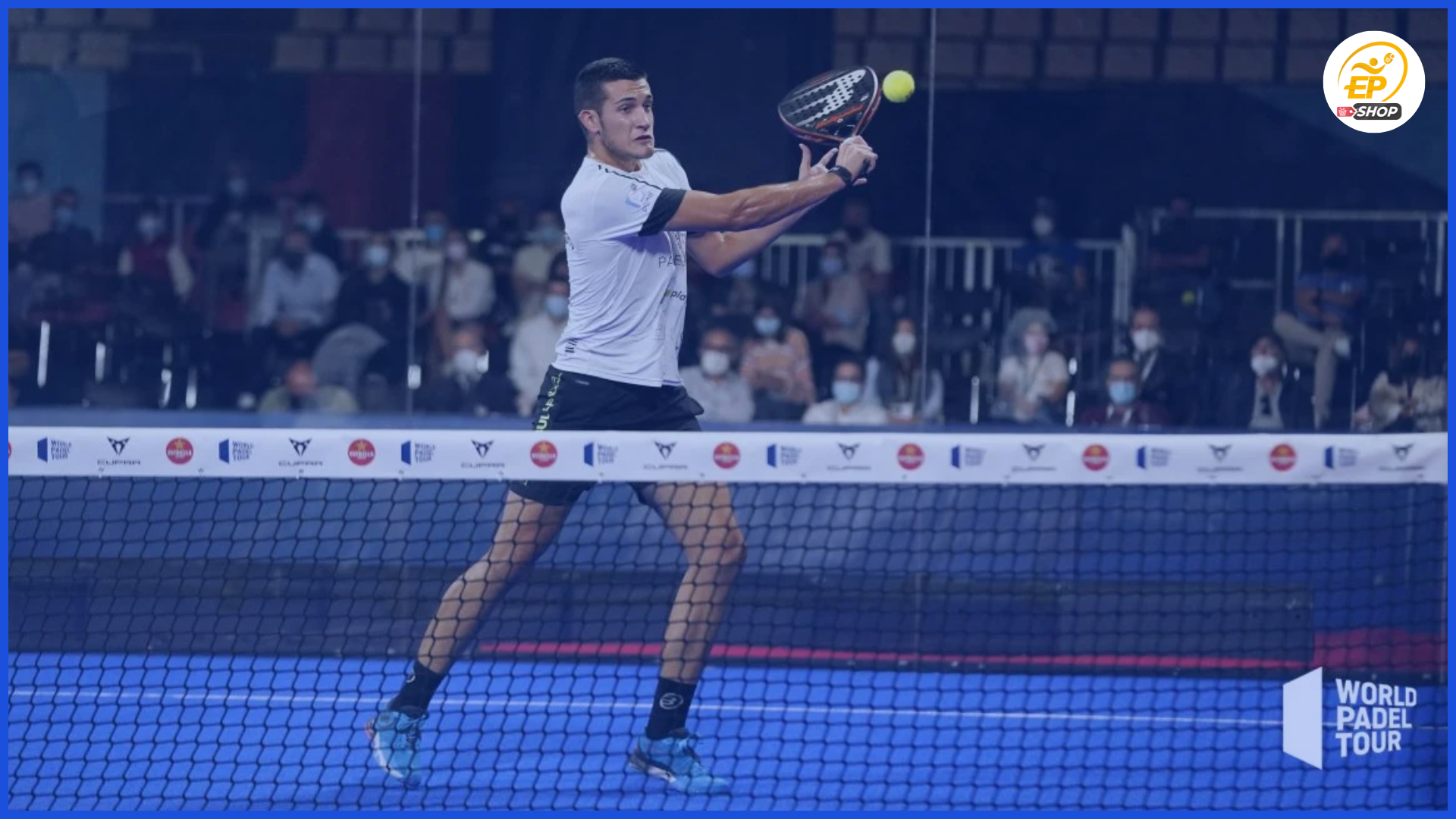
Padel is a sport of feel, where finesse can sometimes outdo power. Among its most elegant and cunning shots, the dejada (or drop shot at the net) is undoubtedly one of the most formidable when mastered.
The aim is to make the ball land just behind the net, taking advantage of your opponent moving back or anticipating a shot towards the back of the court.
This shot, typical of the Spanish game, was popularised by players such as Fede Chingotto and Fernando Belasteguín, who can turn defence into attack with a single delicate touch.
What is a dejada in padel?
The word dejada comes from the Spanish dejar, meaning “to let ”, as if letting the ball drop gently. It’s a short drop shot played from the net, aiming to make the ball barely bounce in the opponent’s court.
Use it when your opponent is far back: rather than attempt a risky smash, opt for finesse. The aim is not to hit hard, but to disrupt the rhythm of the point and lull your opponent into a false sense of security, a little like a Dormilona but from an attacking position.
How to play a dejada in padel
1. Choose the right moment
Use the dejada when your opponent is far back, following a lob or a series of deep balls.
You need to read your opponent’s position: if they’ve moved back, it’s the perfect time to surprise them. If, on the other hand, they’re close to the net, it’s best to avoid it.
2. Preparing the shot
- Stand sideways to the net, with your knees slightly bent.
- Hold your padel racket in front of you, with the racket face open, at around mid-body height.
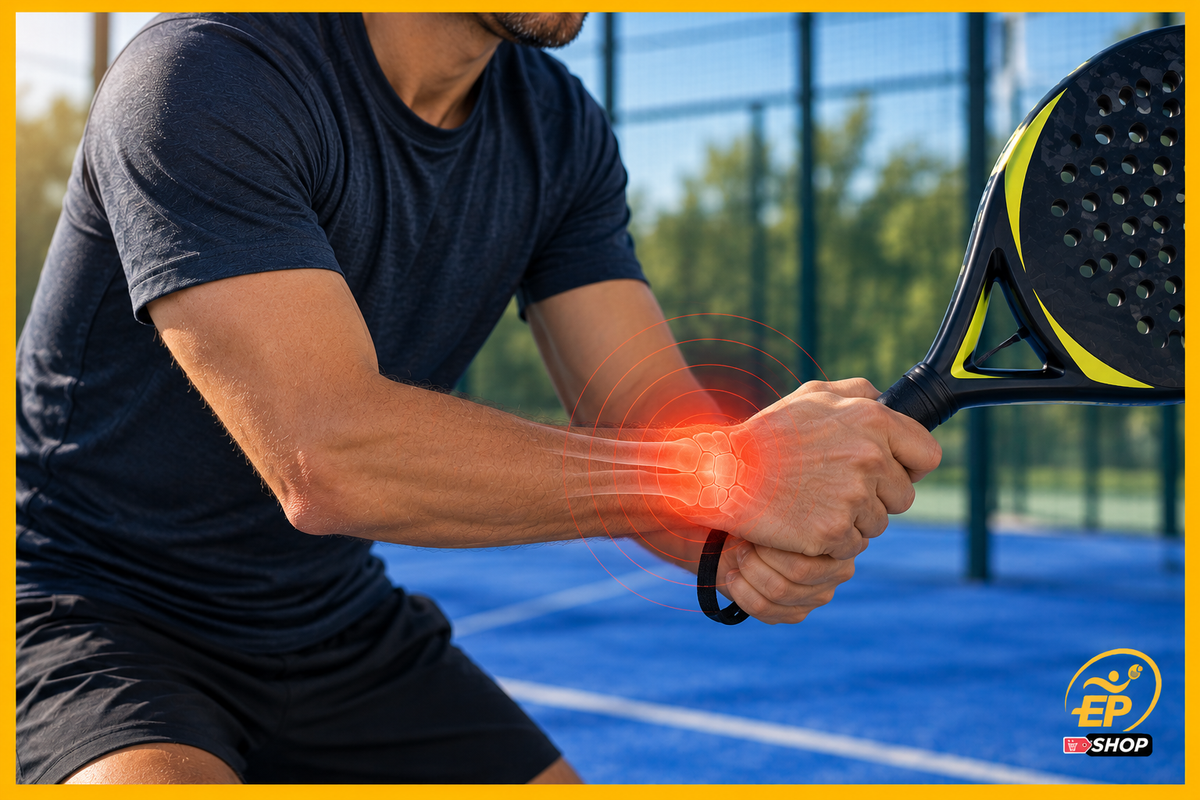
- Your dominant arm should be relaxed, with a loose wrist: the secret of the dejada is a soft touch.
3. The movement
The movement is short and soft:
-
Start with the racket face slightly open towards the sky.
-
Hit the ball in front of you, with a light, almost glancing touch.
-
Follow through upwards to generate backspin, so the ball slows down after the bounce.
The closer you are to the net, the more compact your movement should be. On a fast surface, you can add a little more spin to better control the trajectory.
4. After the shot
Stay alert: if the ball comes back or hits the glass, be ready to volley the return. A good dejada is played as much with your eyes as with your hand: you need to sense your opponent’s reaction as soon as you hit the ball.
As with the padel serve, precise execution and wrist control are essential for an effective dejada at the net.
When to use the dejada in a match
The dejada is a surprise shot: used rarely, but always at the right moment. Here are the ideal situations:
-
Your opponent has just hit a deep lob and is still moving back towards the rear of the court.
-
You want to break up a monotonous rally and change the tempo.
-
To force an error or make your opponent rush to the ball.
-
Late in a match, when fatigue slows movement.
It’s also a psychological shot: it makes your opponent doubt and hesitate between moving back and coming up to the net. Used sparingly, the dejada offers a clear strategic advantage.
Players who excel at this art
Some players on the FIP circuit or the World Padel Tour are known for their perfectly placed dejadas down to the last inch.
-
Fede Chingotto has mastered the art of switching between power and drop shots.
-
Paquito Navarro uses it as a signature shot, often at the end of a rally to humiliate an opponent who has retreated too far.
-
In France, several French Padel Academy players now include the dejada in their repertoire of padel techniques, particularly at international tournaments.
What they have in common: an exceptional reading of the game and complete relaxation when executing the shot.
Equipment and conditions for success
A good dejada requires the right equipment:
-
Padel racket: choose models geared towards control and precision, with good feel (e.g. Head Delta Control, Nox ML10, Bullpadel Hack Control).
-
Padel shoes: they need to provide stability and grip, especially near the net.
-
New balls: livelier balls make it easier to generate backspin.
-
A dry grip or tacky overgrip helps you maintain control of the handle.
Your choice of equipment matters. A racket that is too stiff will make the dejada less precise; a flexible racket lets you take the pace off the ball without forcing the shot.
Dejada, Dormilona or Bandeja?
These three shots share one aim: changing the rhythm of the point. But they are used in very different situations:
-
The Bandeja: a defensive shot played in the air to control a lob.
-
The Dormilona: played at the net after an opponent’s smash hits the back glass.
-
The Dejada: played at the net from an attacking position.
All three require excellent technique, but the dejada is the most accessible in the medium term, provided you judge the strength of your shot carefully.
Key takeaways
-
The dejada is a drop shot played at the net to surprise your opponent and disrupt the rhythm.
-
It requires a precise shot, excellent ball feel and a keen reading of your opponent’s position.
-
It’s a tactically clever shot: it turns a neutral position into a winning point.
-
Its effectiveness depends on judging the strength of the shot, your body position and a relaxed wrist.
-
Well executed, the dejada becomes a decisive weapon, especially on slow courts or outdoors.