FIND YOUR RACKET
 COMPARE MODELS
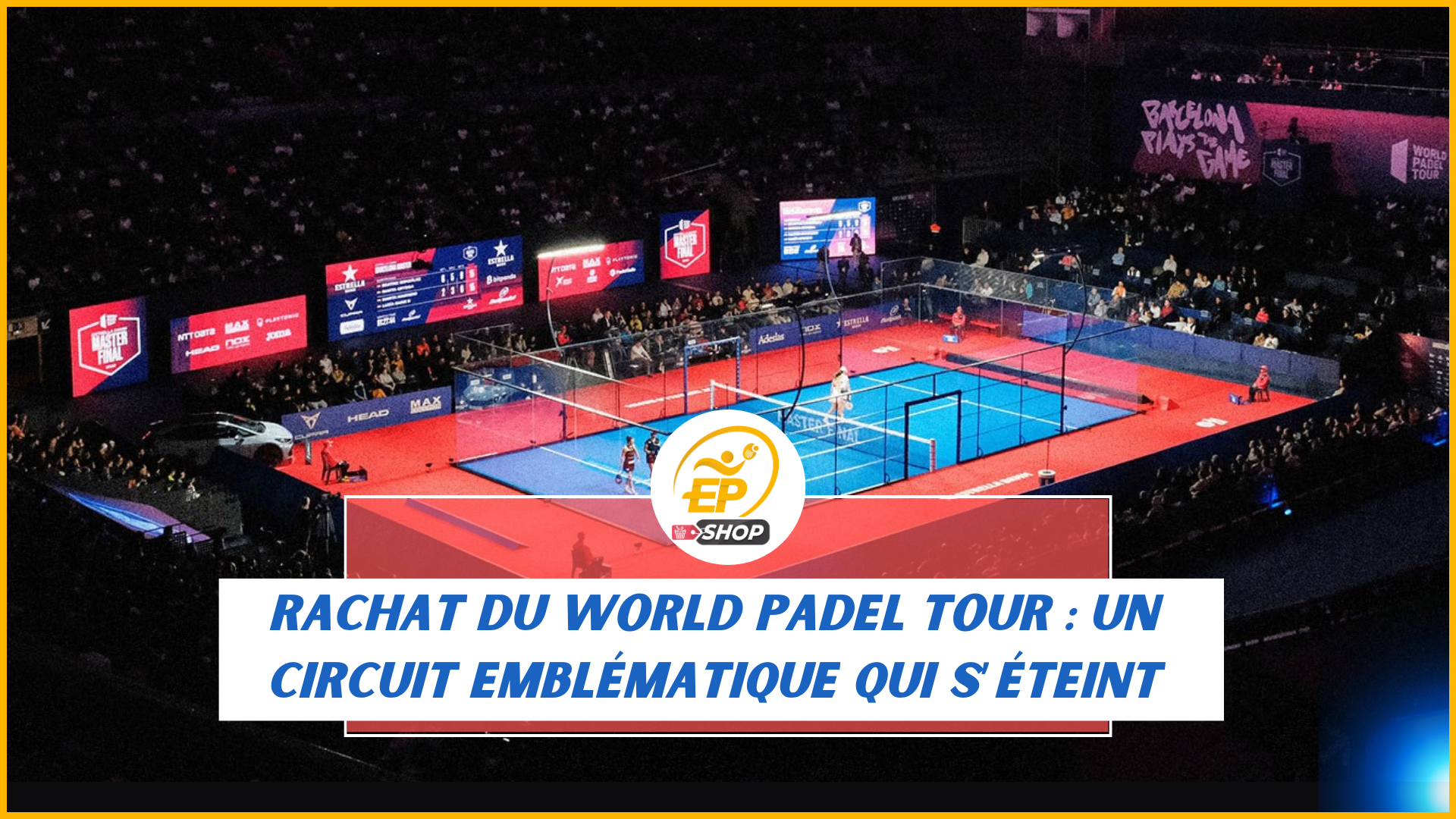
In all existing sports, the professional tour is a key element in broadcasting and gaining appreciation from the general public. Padel is no exception, and the World Padel Tour was instrumental in padel's growth within the global sporting landscape. But after 10 years of loyal service, it was time to make way.
The history and impact of the World Padel Tour
The history of the global professional padel tour has not always been smooth sailing and has experienced its share of turbulence. As early as 2005, the Pro Padel Tour was created to ride the growing hype around padel and bring together the world's best players across the globe. From 2005, brands already established in the market began sponsoring the tour and then the players to build their global profile. Step by step, the PPT gained momentum, and more and more players joined to battle for the world number 1 spot.
Not without difficulty, in 2013, the World Padel Tour (WPT) was created to replace the Pro Padel Tour. The model adopted for the padel circuit was inspired by its big brother in tennis, the ATP. By establishing 3 tournament categories and introducing a ranking system based on individual performances over the years, the WPT aimed to create—just like in tennis—a race for the rankings and qualification for the Master Final, the most prestigious tournament featuring the 8 best pairs of the year.
For 10 years, the WPT was the most powerful circuit in the world, bringing together the best players on the planet and delivering ever more spectacular tournaments. Others attempted to compete, notably the American Padel Tour—now called A1 Padel—which focuses on the American continent with different players and rules. But the WPT was too strong and held tournaments across the globe. Yet after a decade of monopoly, certain shortcomings began to show...
Consequences of the World Padel Tour's disappearance
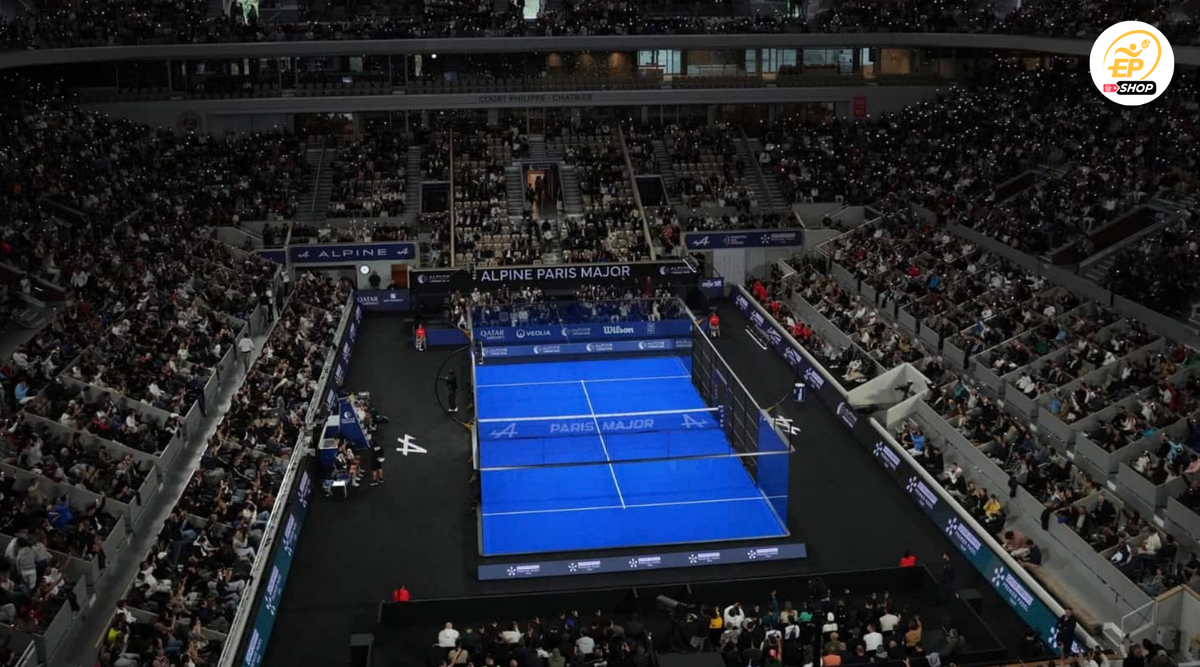
In 2021, all the excitement surrounding the tour and padel's growing reputation across Europe and the world began turning heads. Qatar Sports Investments (QSI), known for owning PSG and led by its president Nasser Al-Khelaïfi, then launched its own padel tour, Premier Padel. Initially created to complement the WPT, it gradually gained ground until, at the end of 2023, it bought out the WPT to replace it as the main tour starting from the 2024 season. It must be said that several tensions had arisen between the players' association and the WPT governing bodies over player prize money and tour exclusivity clauses. The women's association had already taken the leap to Premier Padel, drawing women's padel into a new era, soon followed by the men.
Faced with the financial power and influence of QSI alongside the legitimate demands of the players, the World Padel Tour could not hold out, but it leaves behind 10 years of intense development and successfully supported the growth of padel. From a sport played almost exclusively in Spain, it has become an emerging discipline in numerous European countries; television coverage, the rise of global stars, and accessible media provided by the WPT have greatly contributed to the sport's evolution.
The future of padel without the World Padel Tour?
With this takeover, what does the future hold for the tour, players, and tournaments? All tournaments will now be organised by QSI, totalling 24 throughout the season, and Premier Padel will likely be the only tour operating in 2024. A successful outcome for the players, who were complaining of playing too much with the 24 WPT tournaments plus the 8 Premier Padel events. Organisers will therefore have to make tough choices when awarding tournaments to host cities, which will naturally be fewer in number.
Furthermore, the tour has promised increased prize money compared to the WPT, something it had already introduced across the 8 existing Premier Padel tournaments in 2023. The goal is to retain players as much as possible and elevate them to global sporting icons, just like in tennis, for instance. This unification of the circuits and the backing of the FIP (International Padel Federation) also has a clear objective: to boost the sport's popularity and potentially make it an Olympic sport by 2028.
Padel tournaments: what are the alternatives after the end of the World Padel Tour?
Professional padel tournaments are therefore changing hands: some will relocate, others will disappear. The ambition of Premier Padel's governing bodies is to host more tournaments in emerging countries and slightly fewer in Spain, which already enjoys substantial exposure. Making padel popular worldwide is the goal, and this naturally requires a top-quality professional tour. For tournaments aimed at lower-ranked players, the FIP remains at the helm and will offer the same events as in previous years. Amateur tournaments will also remain unchanged, player levels will not normally be affected, and you will still be able to enjoy your club tournaments, from P25 to P2000!